


Data Show Dealer Sales Activity Healthier When Ad Budgets Remain Intact
Even if new vehicle inventories remain lower than average, it’s important to promote other avenues to build revenue so that customers remain loyal when inventories eventually return to more normal levels.

Even if new vehicle inventories remain lower than average, it’s important to promote other avenues to build revenue so that customers remain loyal when inventories eventually return to more normal levels.
Although the pandemic was still a major force in the world, the automotive industry entered 2021 having rebounded from the earliest days of the shutdowns. If anything, automotive brands and dealers found themselves having to address a lack of inventory, not a lack of demand from shoppers.
Automotive marketers all over the U.S. have continuously reevaluated strategies for 2021 ad budgets. Some retailers followed the belief that they should pull back on advertising since they weren’t worried about promoting vehicles when there is a lack of inventory. However, this has proven to cause deeper problems toward long-term customer relationships and loyalty. If anything, those dealers who wisely shifted their advertising message have fared better than those who pulled their advertising altogether.
What We’ve Learned Through the Pandemic
It is true, hindsight is certainly 20/20. With months of inventory shortage history now in the rearview mirror, there is a lot that can be gleaned from understanding dealer ad spend patterns, especially when industry observers look at the trends of dealers who cut off ad spending compared with those that did not.
Simply put, the data suggests dealers who continued to spend on ad strategies grew their market share, and those who cut their ad spending lost sales. This data insight also includes ad spending strategies this past summer that may have been altered as a result of the ongoing microchip shortage that saw fewer new cars and trucks hitting dealer lots.
Reduced Ad Budgets Equal Larger Sales Drop-off
Unfortunately for those dealers who pulled back on ad spending, they ended up feeling more pain in overall sales drop-off compared with dealers who modified advertising messages and strategies and increased budgets. For example, between the months of March and August 2021, dealers who decreased their advertising spending between 50-89% saw their sales volume drop by 28%. However, those dealers who increased their advertising spend by just 9% during the same period saw a much lighter drop in sales at just 9%, reported PureCars dealership advertising spending data; September 2021.
The main difference in philosophy is what limited the drop off in sales performance. Dealers who pulled back in advertising looked at their showroom traffic in relation to lower inventory levels and thought there was no need to promote deals on new cars and trucks.
However, savvy dealers looked at this past summer as an opportunity to make varying levels of budget increases in their spending. What’s more, they realized promoting vehicles that may or may not be on the lot was not the right thing for their customers. Instead, they modified their advertising messages and focused on promoting vehicle buy-back opportunities to increase inventory, and they also promoted service and repair options to boost revenue further.
When customers come in for service and repair, it gives dealers and their staff an excellent chance to discuss buy-back options with customers who give strong consideration to increased trade value and a discussion on other inventory on the lot.
Year End Advertising Remains Critical
The philosophy of whether to decrease advertising spending or even increase it will become a larger discussion as the automotive industry nears the end of the fourth quarter, where budgets are traditionally higher to make a final push for end-of-year sales.
Major brands in particular continue to plan marketing campaigns as a way to strengthen brand appeal, lock in future sales, and deliver feel-good messages that impact long-term customer loyalty despite the inventory challenges. According to Toyota Group Vice President of Marketing Lisa Materazzo in a recent Automotive News story, Toyotathon "is still a good opportunity for the brand, with or without inventory, to keep Toyota top of mind."2
"It's a chance to engage with the customer," which the brand is not willing to surrender just because inventory is low, Materazzo said. "If we don't have the inventory, and they're willing to wait, we can ultimately meet the customer's needs within a short period of time — we can take the order, lock in the specs, and get the process going."
Tier two and tier three players benefit from these national advertising campaigns and can leverage them in local advertising strategies so that long-term relationships with customers aren’t jeopardized. Even if new vehicle inventories remain lower than average, it’s important to promote other avenues to build revenue so that customers remain loyal when inventories eventually return to more normal levels.
Lauren Donalson is senior director of national accounts for PureCars, an automotive dealer advertising and attribution technology provider. Lauren was recognized by Auto Success magazine in 2021 for being named one of the industry’s leading “Women at the Wheel”.
Originally posted on Auto Dealer Today
More Industry
Charger Network Growth Slows
Despite a projected increase in public EV chargers in 2026, charging infrastructure remains a top concern for consumers as the gap between the most and least EV-friendly places remains substantial.
Read More →
Lenders, Consumers Take on More Auto Loan Risk
September records loosened credit access the most in over a decade as buyers took advantage of the conditions to afford trading, though loan applications fell.
Read More →
Next-Gen Hybrids in Sight
Dealerships can expect to see revamped hybrids from Honda next year as the company rolls out a new system and model lineup.
Read More →
Gem State Stores Change Hands
A larger auto group founded in the industry’s early years sold two franchises to a neighbor group that's on a growth spurt.
Read More →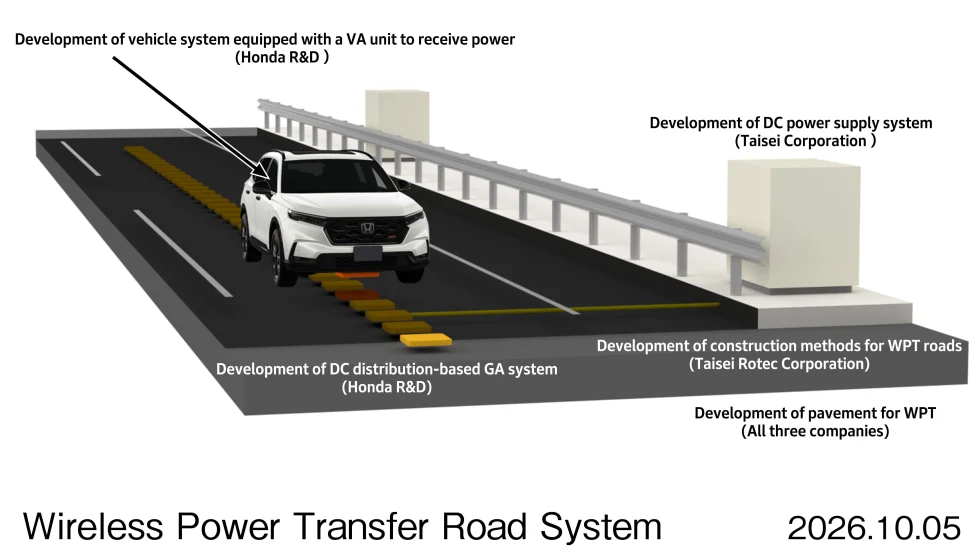
Charging In Motion
Honda has been researching wireless in-motion charging for electric vehicles since 2025, and new technology developments have put it a step closer to a final product.
Read More →
Twin Cities Stores Sell
Minnesota-based Walser Automotive Group made what it called the most significant acquisition in its history with a three-rooftop deal in Minneapolis.
Read More →
U.S. Auto Sales Still Below Prepandemic Levels
Mobility Global industry observers don’t expect the market to return to the higher volumes that became routine before Covid but to stay well below its potential.
Read More →
The Powertrain Shift
Electric-vehicle owners are backpedaling, according to new data, with product availability driving many to shift back to gas-powered engines.
Read More →
Achromatic Autos
The shades that dominate the U.S. car market don’t call attention to themselves, though grayscale may have plateaued after a 30-year upswing, research shows.
Read More →
Used-Vehicle Affordability Worsens
Listing prices in August defied seasonal trends, rising above $27,000 for the second time this year.
Read More →