


Facts or a Story
Painting a word picture for customers is much more effective than ticking off details.

A good story can make the difference between the customer identifying with the value of a benefit or just saying, 'No, thanks.'
Pexels/Monstera Production
Have you ever heard the phrase, “Never let facts get in the way of a good story”? Anyone who has ever had his or her significant other correct facts in real time while they’re trying to tell a funny story to friends at dinner knows what I mean. Most of us enjoy a good story about a person, place or thing more than facts about the same. There is a reason.
Most of us will process and retain a story better than we will process or retain facts because, as it turns out, our brains are just wired that way. Jonathan Haidt, a social psychologist at New York University, says, “The human brain is a story processor, not a logic processor.”
Do you ever tell a story in F&I to explain a benefit of a product to your customer? Or perhaps to help the customer decide to enroll in a product or products?
If you haven’t, maybe you should. A good story can make the difference between the customer identifying with the value of a benefit or just saying, “No, thanks.” Many times in sales we tend to use the more-is-better method of transferring information. The more features, advantages and benefits I can share, the better. We sometimes believe that if we can overwhelm the customer with facts and logic, how could they possibly decide not to buy? Appealing to the facts processor in the customer’s brain may not be the best option.
Customers who may be hesitating to enroll in a product may see value, but the fear of making a bad decision causes them to choose not to decide.
Fear is an emotion. Trying to get someone to switch from emotion to logic isn’t an easy thing to do.
A story can help a person in this situation feel better about enrolling because we are asking them to engage their “story processor” instead of their “logic processor.”
They don’t need more facts; they need to know that there have been others like them who have been in the same situation and that their decision to enroll ended up being a good one. A story can do that. They connect with the person in the story emotionally, not logically.
Granted, knowing when to use a story to gain commitment takes some human skills, situational awareness, and enough experiences to have real-life stories to share.
So, how do you know it is a good story? A good story should have five elements:
A time or place reference. (“Four months ago, …”)
A person the story is about. (“A young first-time buyer …)
An obstacle or problem. (“On a very tight budget, like yours …)
A goal. (“Saving to move to a better neighborhood …)
What happens. (As it turns out she was glad she enrolled …)
Customer: “I appreciate it, but as I told you earlier, adding the vehicle service contract exceeds my budget.”
F&I manager: “We are talking another 28 dollars a month, that’s seven dollars a week. For only a dollar a day, you could …”
Or you could respond like this:
Let me share something with you. A while back, I had a young woman like you who was buying her first car. Like you, she was also very bright and determined. Also like you, she was on a tight budget. She was trying to save every extra dollar she could to get out of the apartment she was in and move into a better one. I ran into her in the service lounge a couple of weeks ago, and we started talking. She told me she was glad she ran into me because she wanted to thank me for not letting her pass on the vehicle service contract she was offered and for convincing her to enroll. As it turns out, the module that controls her transmission on the preowned car she bought failed. It was about a thousand-dollar repair. She told me that without the vehicle service contract, her savings would have been almost wiped out. That’s why I would like you to reconsider.
With another 30 seconds of your time, you can help your customer see the value of the products you are offering in a more personal way. Instead of just stating the facts, great F&I managers tell a story.
ABOUT THE AUTHOR
John Tabar serves as executive director of training for Brown & Brown.
Originally posted on F&I and Showroom
More Industry
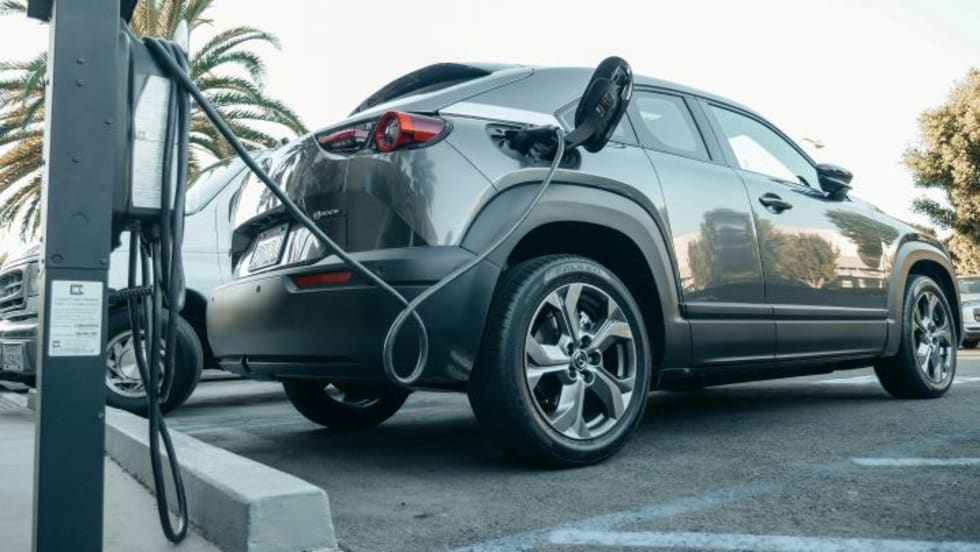
World EV Adoption Set to Grow
A new report says the segment, despite recent setbacks in some regions, is poised for acceleration as many countries look to reduce pollution.
Read More →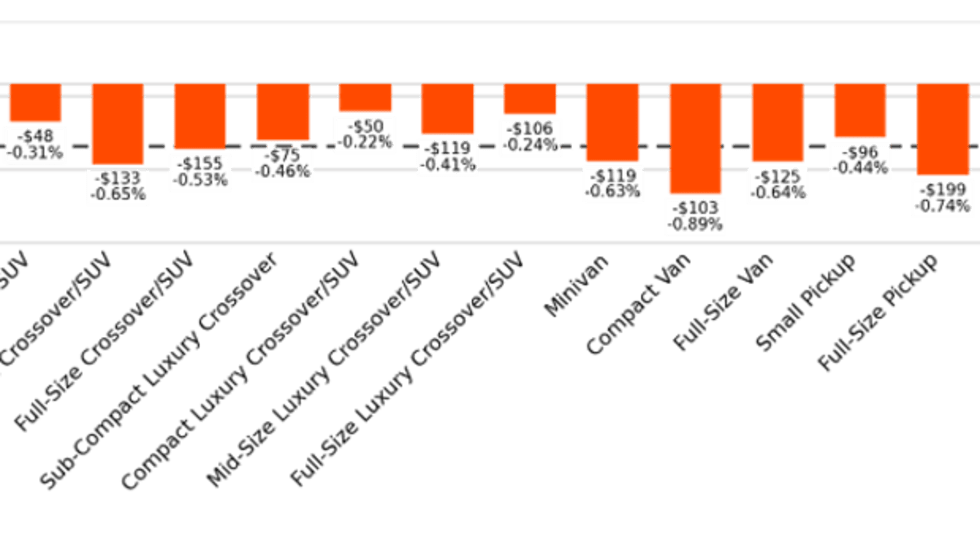
Black Book: Weekly Market Update
Wholesale automotive auction business stayed steady last week as bidders encountered lower prices, analysts observed.
Read More →
Pricing Transparency Drives Purchase Consideration
An annual study by JD Power found that clear pricing matters to consumers on automaker websites, so much so that it increases their purchase consideration.
Read More →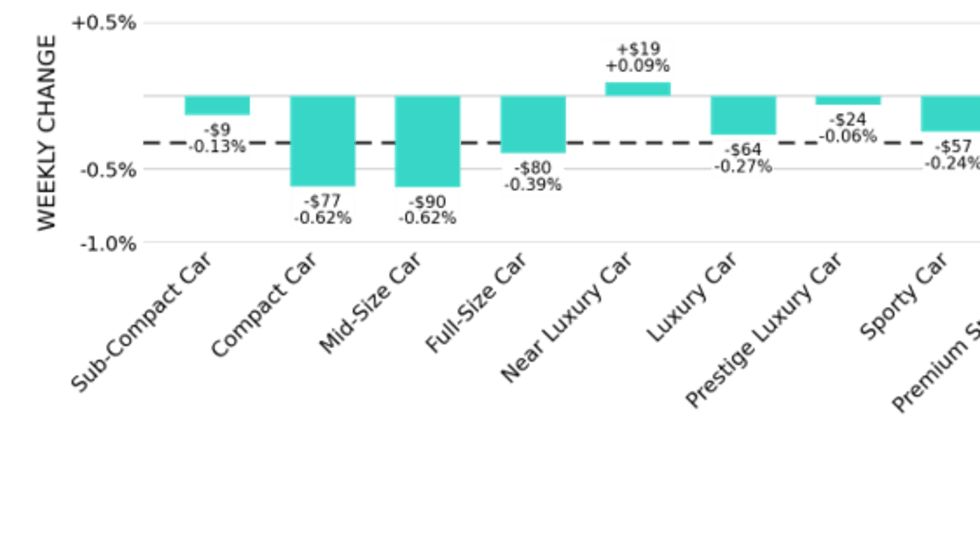
Black Book: Weekly Market Update
Used-vehicle market depreciation was the prevailing story in the wholesale market last week.
Read More →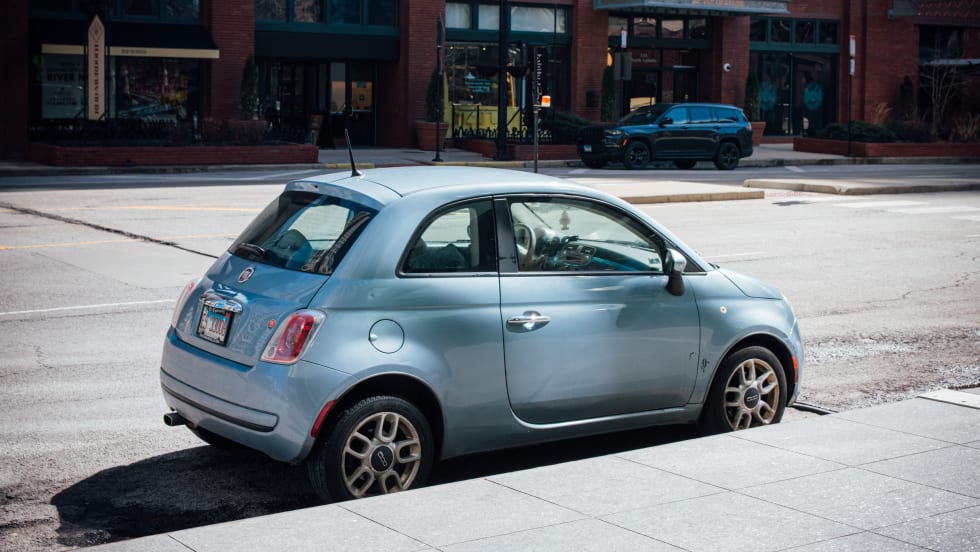
Smaller Is Looking Better
A growing number of Americans in the market for a new vehicle are opting for more affordable options, not waiting for market stability to bite the bullet.
Read More →
U.S. EV Market Slowly Stabilizes
U.S. electric-vehicle interest is slowly stabilizing since a major dip in sales after last year's end of the federal EV tax credit, and hybrids remain the leading electrified power train.
Read More →
Global EV Market Entering New Phase
Automakers are making investments to lower battery costs and optimize production to meet changing consumer needs.
Read More →
Black Book Weekly Market Update
The holiday weekend, not surprisingly, put a drag on wholesale automotive activity last week, analysts observed.
Read More →
Auto Affordability in Context
Cox Automotive points out the complex circumstances that have led to eye-popping vehicle prices.
Read More →
Black Book: Weekly Market Update
Automotive auction inventory increased last week, giving choosy bidders even more leeway.
Read More →