


How Credit Technology Can Empower Your Customers
By leveraging credit technology, dealerships can process a transaction in less than 30 minutes and put the process in the hands of the consumer.

By leveraging credit technology, dealerships can process a transaction in less than 30 minutes and put the process in the hands of the consumer.
IMAGE: Valerii Apetroaiei via Getty Images
Royal Automotive Group became heavily involved in the subprime business during the Great Recession out of necessity. It was 2009, and many consumers wanted to buy vehicles but didn’t necessarily have the best credit. The Tucson Auto Group, which has six dealerships, including Lexus, Kia, Cadillac, and Jaguar/Land Rover, knew there had to be a better way, so they started a journey to improve the entire financing transaction experience.
With COVID-19, and more dealers turning to online transactions, an intelligent credit tool allows a big step in the car-buying process to happen digitally.
This process included building out a new credit technology which would enable the group to do the unthinkable – create a five-star experience for every customer regardless of their credit and re-engineer the composition of their team.
Today, by leveraging credit technology, which was incubated within the Royal dealerships, these Tucson dealerships can process a transaction in less than 30 minutes. (The average time is 21 to 24 minutes typically for this process.)
Royal is able to fast track this process regardless of a customer’s credit score. Plus, they’ve increased their percentage of subprime deals completed by more than 118%.
Steve Lace, the executive vice president of Royal Automotive Group, was an early investor in Credit Logix, with the auto group serving as a pilot. When it comes to subprime transactions, it becomes quite difficult to automate the process. But when you get that process down, you’re able to scale it fast while not sacrificing the customer experience and instead improving it, according to Lace.
“The bottom line is subprime transactions are very clunky,” he said. “Historically, subprime customers can spend hours at the dealership working a deal on a vehicle that isn’t the right match – and worst case, they go home in it and the deal unwinds. Having a customer bring a car back is a terrible experience for the consumer and the dealership.”
Credit technology takes away this lengthy process by allowing consumers to begin the vehicle financing process online. Consumers can fill out a credit application online to see which vehicles they qualify for before going to the dealership or talking with the dealer online. The technology matches vehicles to buyers and cuts deal times to less than 30 minutes.
“This credit technology works easily and gives subprime customers the same experience as a prime customer,” Lace said. “The complexity of the subprime transaction is much greater than a prime customer and most dealerships don’t want to touch subprime unless they have a ‘trusted’ subprime director and/or very experienced desk managers. This puts a huge percentage of a dealership’s potential in the hands of just a few team members – which is not a plan for long-term success and full-market penetration.”
Even offering prequalification technology that only requires a soft credit pull helps automobile dealers streamline the financing process for both subprime and prime customers. It does this by bringing the credit conversation to the forefront of the transaction, making it a better experience for all involved.
To many, “credit score” may as well be a four-letter word. It is scary, fraught with stress, and has many unknowns and baggage. It’s important to have a transparent and supportive buying-process leveraging video to educate customers on the impact of not just their score, but other buying factors, like income and debt-to-income ratios.
“The credit technology tool is a part of the process when we discuss the credit needs early on. We don’t wait,” he said. “We end up increasing the quickness of the transaction. We don’t give them the wrong automobile they can’t afford. The sales consultant treats the customer the same way as if they had an 800 score.”
We know that consumers don’t want to spend a lot of time at the dealer, especially now, so offering consumers the opportunity to begin the credit and financing process online minimizes a major pain point for them, especially during COVID-19.
Besides the obvious time savings, dealerships that use this technology see a significant increase in per vehicle retail and a decrease in funding time. On average, this funding time is cut from nine days to five days from when the dealer gets paid by the bank.
With COVID-19, and more dealers turning to online transactions, an intelligent credit tool allows a big step in the car-buying process to happen digitally. The prequalification widget is available on the dealer’s website and can easily be accessed by consumers. This puts the process in the hands of the consumer, and we know that even more consumers want to take control of their purchases, especially with a large buy like a car.
Another plus with the credit technology is the scaling process. Royal Automotive Group is able to manage four locations from one central office because of the online process, Lace said.
“It’s more efficient that way,” he said. “Where they (our team) sit makes no difference with this technology. We could do 50 stores if we scaled. This technology has continued to get better and better.”
Erica Sietsma has close to 20 years of retail technology experience and has been a driving force behind Digital Air Strike’s vision and growth. Her deep product and industry knowledge have earned her recognition as a subject matter expert on the topics of automotive technology, consumer engagement, lead response, social media, and reputation management.
Originally posted on Auto Dealer Today
More Product & Technology

Integrating AI Into Your Admin System
It’s important for finance-and insurance administrators to build the technology into their existing systems instead of bolting it on.
Read More →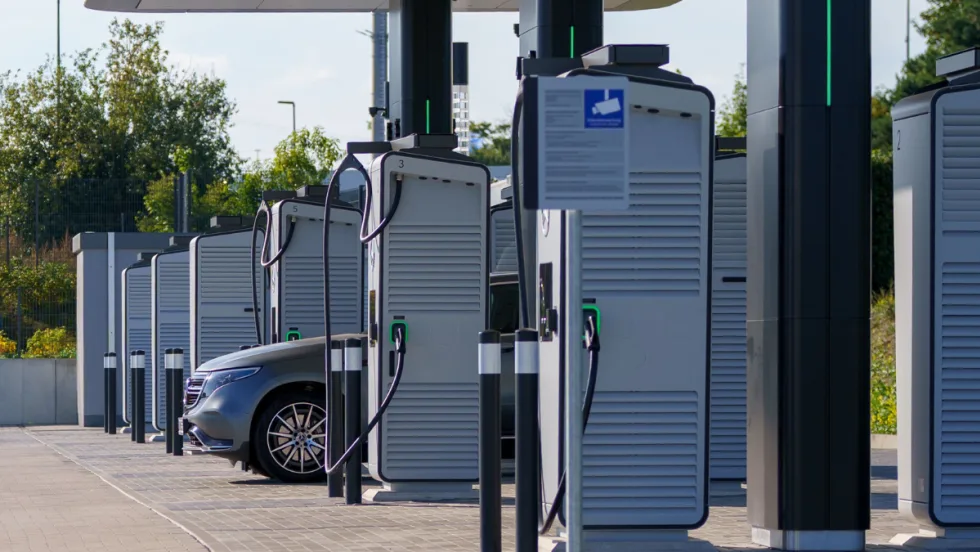
Public EV Charging Improves
The infrastructure buildout in the U.S. is providing more availability and safety at a better cost, according to the latest EV experience study by JD Power.
Read More →
AI in the Dealership
A Cox Automotive poll shows most dealers use it, but only some have found the smartest ways to adapt the surging technological sensation.
Read More →
AAA Honors Service and Repair Facilities
Three automotive dealerships made AAA's Service Providers of Excellence and Best in Repair list this year.
Read More →
EFG Launches Product Admin Platform
The company says the offering is designed to empower administrators, service contract providers, and product marketers to expand automotive and power-sports capabilities.
Read More →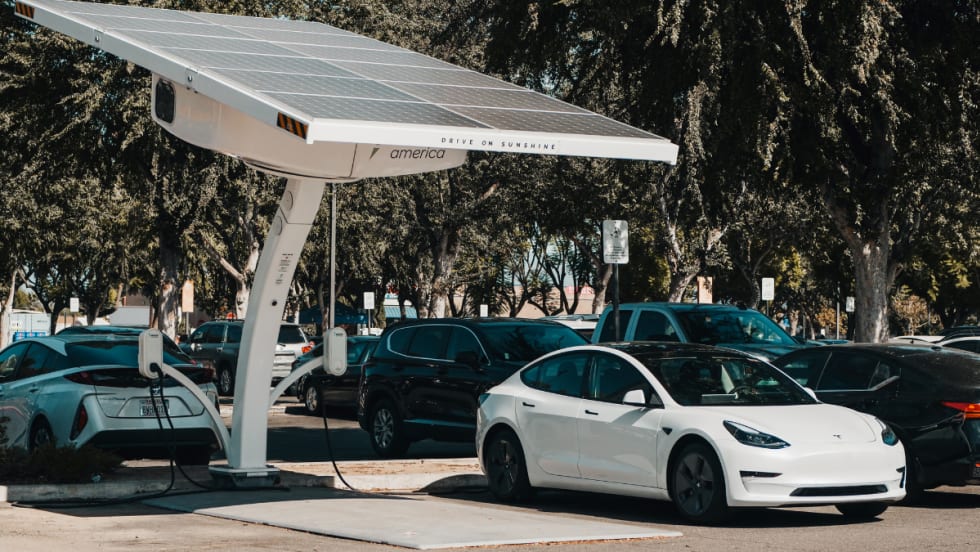
Optimized Charging Could Reduce Costs
According to an Alliance for Automotive Innovation analysis, optimized EV charging could cut costs for drivers and improve grid infrastructure - potential adoption incentives.
Read More →
From Inspection to Impact
Data, video and artificial intelligence are driving service performance today, when inspection performance is closely tied to key business outcomes.
Read More →
Car Karaoke Gets Official Platform
The in-vehicle karaoke and sing-along platform by Samsung arm is meant to add traveling enjoyment safely in technology that automakers can tailor to their specific needs.
Read More →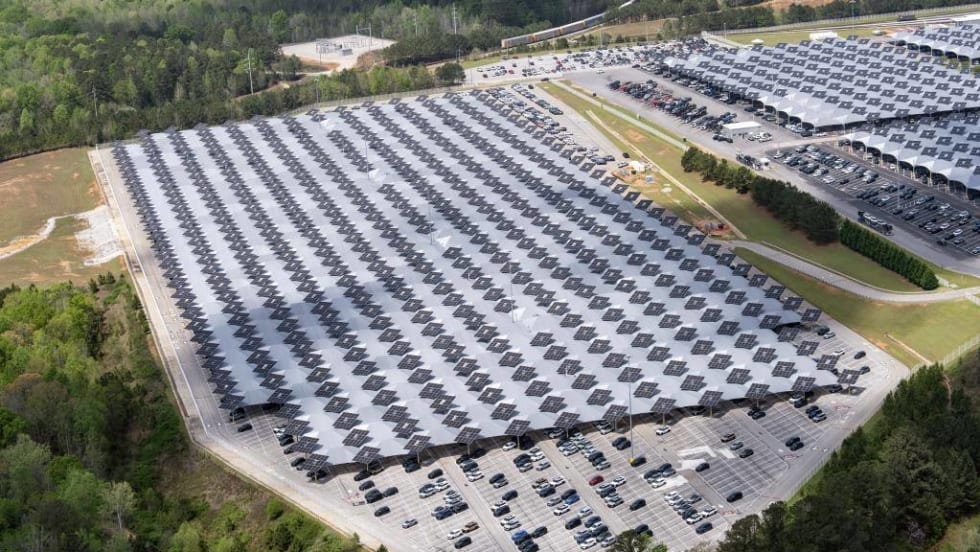
Kia Embraces Clean Energy
A Kia Georgia partnership combines weather protection and renewable energy in a new solar canopy system at Kia’s West Point facility.
Read More →
Honda-Sony Venture Dismantled
For nearly four years, the companies had worked toward the launch of the electric-vehicle brand’s first two models, but the shifting EV market scuttled the plans.
Read More →