


How New Learning Trends Will Impact Dealerships
The future is upon us and dealerships need to take action and embrace the knowledge transformation. This article will discuss different trends in the learning space and how they are going to affect the way personnel working in dealerships learn.
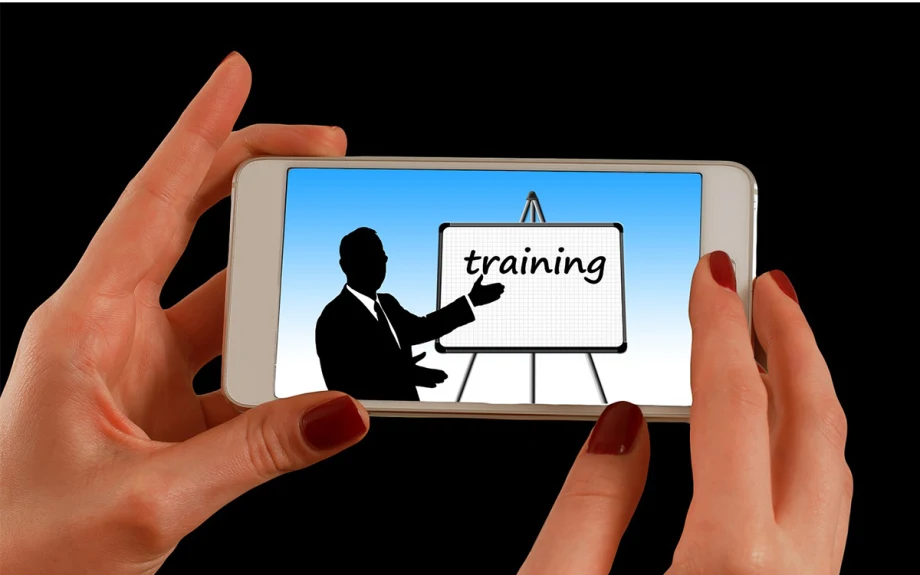
The future is upon us and dealerships need to take action and embrace the knowledge transformation. This article will discuss different trends in the learning space and how they are going to affect the way personnel working in dealerships learn.
Image by Gerd Altmann from Pixabay
The traditional way of learning for dealership staff included “Classroom Training” or “Instructor-Led Training,” but with the advent of technologies, other mediums of learning were added [i.e. e-Learning, video, simulations, and material content in the form of word documents, presentation decks, articles, etc.]. The perennial question of why learning is important, can be simply put in terms of the knowledge that the salesperson or service personnel acquires on the vehicle that they are going to sell or service. In addition to learning, certain automakers encourage their staff to maintain their certifications, as they are tied to incentives and lease payments, thus it acts as a motivating factor and they take pride in representing the brand to which they are associated with. This can lead to a reduction in turnovers, which is a persistent problem in the dealership world.
The "New Normal" is going to be defined soon and in the near short-term future, dealerships need to embrace three key items: mobile, gamification and Social Learning.
The future learning requirements for dealership staff are summarized below.
Personalization: Personalized content based on profile, learning history, job aids and business needs.
On-the-Job: Facilitate peer learning using discussion forums. Chatbots to automate query addressal and real time supervisor evaluation & feedback.
Drive Micro-Behavior: Seamless end-to-end communication channels for feedback, driving specific behavior and reward disbursal.
External Integration: Flexible application, which can be integrated with existing LMS systems as well as external platforms if required.
Social Recognition: Flexible user rights for social media integration, content and award sharing.
The typical Dealership Organization Structure consists of various roles and responsibilities, the key ones are listed below.
Dealership Head: Usually owns the business. They could head a single dealership or a group of dealerships.
General Manager: They develop and maintain business plans annually to enhance dealership performance and manages the cost-effective advertisement and merchandising programs for the dealership.
Parts Manager: Responsible for daily operations and profitability of the parts department.
Sales Consultant: They are responsible for delivering the vehicles and maintaining a customer relationship to maximize the sales opportunities, reports to the sales manager and is responsible for achieving the sales volume and market share.
Service Advisor: They work for the service department of the dealership and are the first point of contact for customers coming for service. They must note the vehicle’s issue in a form the service technician can understand it accurately.
There could be various other roles in the dealership like sales manager, service manager, warranty administrator, finance manager, shop foreman, technician, porters to IT systems manager.
The future is upon us and it is going to change the typical day in the life of dealership staff personnel from a learning perspective.
Let’s look at an example of the sales consultant and service advisor's average day, incorporating new learning techniques.
Sales Consultant
Time - 8:15 a.m. (En route to the dealership.)
Sales consultant is on the way towards the dealership on a 40 min drive, while on the go he is listening to some Audio content on the Customer Management module of the LMS app.
Time - 9:30 a.m. (Daily Meeting)
Attending Standup meeting for daily target/routine discussion with the team. A quick look at the leaderboard of LMS app and congratulating fellow consultants on social forum for the completion of sales module certification.
Time - 2:00 p.m. (Workplace Training and Assessment)
Utilizing low rush hour of the afternoon for taking MCQ assessment of the Communication module/Attending On-the-Job training session.
Time - 5:30 p.m. (Post Daily Work/Schedule)
Checking the dashboard for training progress, notifications, and upcoming certifications to pursue.
Time - 10 p.m. (Day Closure)
Watching the latest offline videos from the live webinar (missed during the day) before heading to bed.
Service Advisor
Time - 9:30 a.m. (Daily Meeting)
Attending Standup meeting and assigning pending tasks. A quick look at the LMS leaderboard app and congratulating technicians on their completion of courses/trainings and motivating others to do the same.
Time - 12:00 p.m. (Service Clarifications)
Review the ongoing workload and clarify technician questions (if any). Display the use of Interactive AR LMS course to virtually train on any problem before doing it on the actual car.
Time - 2:00 p.m. (Training)
Utilizing low rush hour of the afternoon for taking simulated interaction Virtual reality course in the LMS app to improve the customer experience.
Time - 3:30 p.m. (Follow Ups)
Take progress reports of ongoing services and inform customers about the status, upcoming service offers and delivery details. Unresolved problems are posted and discussed on the LMS forum to get advice from other service advisors.
Time - 5:00 p.m. (Vehicle Delivery)
Generate invoices, close the billing, and deliver the vehicles back to the customers. Listening to a podcast or Audio content on Customer management module of the LMS app.
Disruption
Learning Trends that are going to disrupt the learning ecosystem with the help of technology drivers (like AI & Chatbots, AR/VR, Mobile, Cognitive & Micro-learning) are listed below.
Customized/Adaptive Training
Micro-learning modules to grab the maximum attention span & provide a flexible learning environment.
Customized material for every learner based on requirements, skills, habits & priority using AI & cognitive learning.
AI Instructor & Real-time Dashboard
Real time monitoring of user journeys using dashboards for trainer & trainee (based on survey, feedback & trends data).
Course recommendation & personalized learning path using AI.
Flexible Learning System
Flexible learning platform to support multilingual, multi-OS & multiple device requirements.
Virtual & Augmented Training
Augmented reality based on On-the-job experience (practical exposure, simulations).
Live/recorded virtual trainers using holograms or VR technology.
Gamification
Gamification to provide competitive spirit & engagement.
Leaderboard & multiple level learning module with rewards.
Intelligent Information on Demand (IIoD)
Collaboration with training institute & regulatory bodies for continuous improvement in content.
Intelligent chatbots to provide suggestion & deep learning.
Call to Action
With the latest evolving learning trends and learning habits, dealerships and automakers need to manage the related challenges.
Change Management: User acceptance for technology adoption and usage of the mobile learning application.
Partners Support: Multiple platforms and data integration for various training requirements requires greater collaboration in terms of seamless integration.
Different Learning Habits: Learning habits vary per age, region, technical understanding and local culture.
Governance: Standardization is key, clear distinction for what is managed centrally and what is local needs to be defined and governed especially related to workflow/processes content and data.
Customization of Content: Diverse user base and non-standard IT infrastructure in some regions can obstruct implementation of standard training modules and localization of standard global content will be required.
Hectic Staff Personnel Schedules: People working in the dealership are target oriented and customer centric. It is very important to engage them and manage their time for trainings
Conclusion
The "New Normal" is going to be defined soon and in the near short-term future, dealerships need to embrace three key items: mobile, gamification and Social Learning. “Mobile” penetration continues to grow and it is soon going to become a dominant medium for learning. Applying “Game” mechanics and game design techniques has proven to increase learning speed and retention. The current generation is so tuned into “social networks” that it is pragmatic to get, share and learn information from them. In the long-term, all in-house training material will be replaced with open online “Corporate MooCs” and the dealership staff will leverage “augmented reality” for learning. The automakers and dealerships that adopt this mindset will have a step ahead in the learning game, ultimately leading to improved revenue and sales.
Natesh Muthalan is a senior automotive domain consultant with Infosys having experience in dealership operations and the learning management space.
Originally posted on Auto Dealer Today
More Product & Technology

Integrating AI Into Your Admin System
It’s important for finance-and insurance administrators to build the technology into their existing systems instead of bolting it on.
Read More →
Public EV Charging Improves
The infrastructure buildout in the U.S. is providing more availability and safety at a better cost, according to the latest EV experience study by JD Power.
Read More →
AI in the Dealership
A Cox Automotive poll shows most dealers use it, but only some have found the smartest ways to adapt the surging technological sensation.
Read More →
AAA Honors Service and Repair Facilities
Three automotive dealerships made AAA's Service Providers of Excellence and Best in Repair list this year.
Read More →
EFG Launches Product Admin Platform
The company says the offering is designed to empower administrators, service contract providers, and product marketers to expand automotive and power-sports capabilities.
Read More →
Optimized Charging Could Reduce Costs
According to an Alliance for Automotive Innovation analysis, optimized EV charging could cut costs for drivers and improve grid infrastructure - potential adoption incentives.
Read More →
From Inspection to Impact
Data, video and artificial intelligence are driving service performance today, when inspection performance is closely tied to key business outcomes.
Read More →
Car Karaoke Gets Official Platform
The in-vehicle karaoke and sing-along platform by Samsung arm is meant to add traveling enjoyment safely in technology that automakers can tailor to their specific needs.
Read More →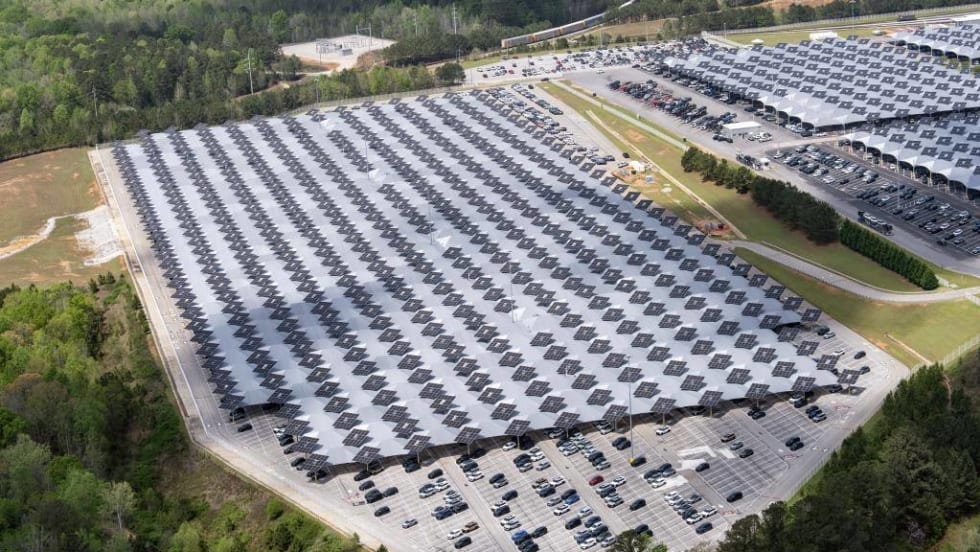
Kia Embraces Clean Energy
A Kia Georgia partnership combines weather protection and renewable energy in a new solar canopy system at Kia’s West Point facility.
Read More →
Honda-Sony Venture Dismantled
For nearly four years, the companies had worked toward the launch of the electric-vehicle brand’s first two models, but the shifting EV market scuttled the plans.
Read More →