


Independent Inspections Offer Expertise and Efficiency

Independent Inspections Offer Expertise and Efficiency
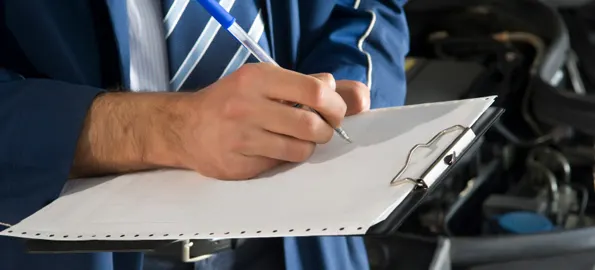
The mechanical damage inspection industry has gone through dramatic changes in the last 25 years since the need for an independent inspection process became evident. As a new decade begins, the industry continues to evolve, driven largely by the economy, regulations and technology.
Difficult economic times have forced many vehicle service contract companies to re-examine how they do business and it has led to staff reductions and a greater reliance on third-party inspectors. Carr Appraisals Inc. is one company that provides independent confirmation of repair facility diagnoses and an opinion as to the cause of mechanical breakdown failure.
Vice President of Operations, Ted Ginnity, says Carr Appraisals tailors inspection programs to its customers' needs, which provides a more streamlined, less expensive inspection program. For example, in many cases, there is no longer a need for a vehicle service contract company to keep an inspection coordinator on staff. Additionally, the use of electronic reporting and imaging reduces the storage and filing difficulties of paper forms.
Economic concerns have also led to new services such as targeted audits. These can be less expensive than full audits and often produce greater results. Specific dealers and repair facilities are audited based on customer complaints or claims that don’t fit the norm.
“Customers may receive satisfaction survey cards for work they never had done and this raises a red flag,” Ginnity explains. “Significant financial reward can be gained from targeted audits if you know what you’re looking for. The use of this type of audit can also reinforce the VSC/Dealer contract.”
Challenges of Direct Marketing
The emergence of the Internet and other avenues of direct selling to customers have changed how service contracts are sold. There is no longer complete dependence on the F&I department and this has prompted administrators to look for new ways to keep risks low.
In response, Carr Appraisals has developed pre-purchase inspection programs to cut down on short-term claims. By inspecting a vehicle before it has a contract issued, the administrator can expect some assurance that a vehicle is in decent shape and is not sitting on a lot somewhere with a failed engine or transmission. The programs are not going to catch every defect, but 30/60/90 day claims are reduced substantially.
The emergence of direct call centers in the marketing of service contracts has also prompted numerous new regulations and challenges for the industry. “Consumer regulations are a mixed bag because they are based on good intentions but the variability by city and state makes them difficult to manage,” Ginnity says.
The inspection process has become more challenging because administrators in some cases are not permitted to provide full information about the vehicle to be inspected due to privacy concerns. This can create a guessing game when an inspector goes to inspect a vehicle.
On the other hand, an increased focus on customer service and satisfaction is a by-product of ever increasing scrutiny. “We know our clients are trying to be as fair as possible and find in favor of the customer whenever possible," Ginnity says. "The old myths are not true. It is possible to be for the customer and still make a profit.”
Accounting for Technology
No industry in the world has had more technological advances in the last 10 years than the auto industry. Vehicles have been profoundly changed by computer controls, high-tech materials, better emissions and increased fuel economy.
These developments require vehicle service contract companies to understand the technology because it tends to be more complicated and expensive to repair.
“It is the responsibility of third-party inspectors to learn about the technology and help service contract companies understand the nature of the failures so they may determine liability and a reasonable repair,” Ginnity explains. “This requires a huge amount of research and learning.”
Technological advancements are being driven by emissions standards, customer requirements and government regulations. Independent inspectors have also changed their processes to keep up with the industry. The use of high-tech testing devices, electronic reporting and scheduling, and real-time information is necessary to satisfy VSC clients in an ever-changing industry. More changes are guaranteed in the future, so it is the responsibility of independent inspectors to continue to be innovative and flexible.
“Even with all the changes and obstacles we face, we strive to be more client-friendly every day. Some things will never change and we keep looking for ways to give the most beneficial and cost-effective service to our clients,” Ginnity says. “What has worked for us for the last 20 years should help to carry us on for the next 20.”
More Industry

U.S. Auto Sales Still Below Prepandemic Levels
Mobility Global industry observers don’t expect the market to return to the higher volumes that became routine before Covid but to stay well below its potential.
Read More →
The Powertrain Shift
Electric-vehicle owners are backpedaling, according to new data, with product availability driving many to shift back to gas-powered engines.
Read More →
Achromatic Autos
The shades that dominate the U.S. car market don’t call attention to themselves, though grayscale may have plateaued after a 30-year upswing, research shows.
Read More →
Used-Vehicle Affordability Worsens
Listing prices in August defied seasonal trends, rising above $27,000 for the second time this year.
Read More →
First-Half Dealership Deals Up
Buy-sell activity shows that acquirers are looking for value and scale as many retailers seek to leave an increasingly competitive and complex market, Kerrigan Advisors reports.
Read More →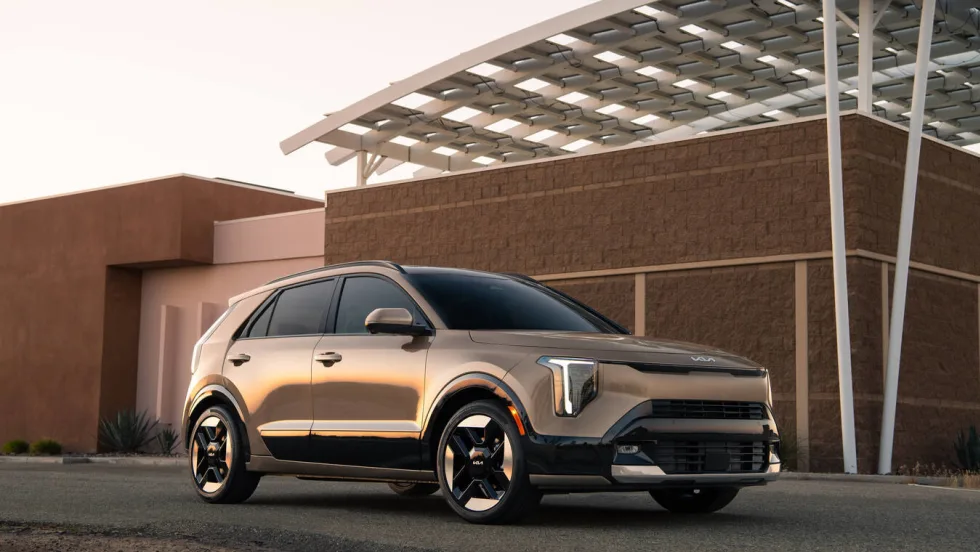
Kia Closes Out Summer With a Bang
Its U.S. subsidiary broke multiple records in August, in part due to a surge of demand for hybrids models.
Read More →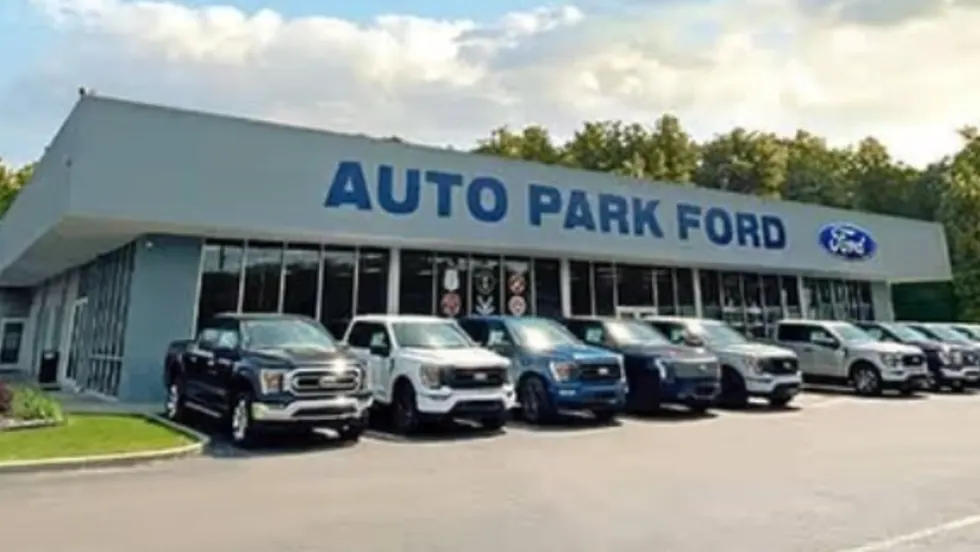
Indiana Dealership Changes Hands
A 30-year-old Ford dealership in Indiana has a new owner and will soon be undergoing renovations to meet manufacturer requirements.
Read More →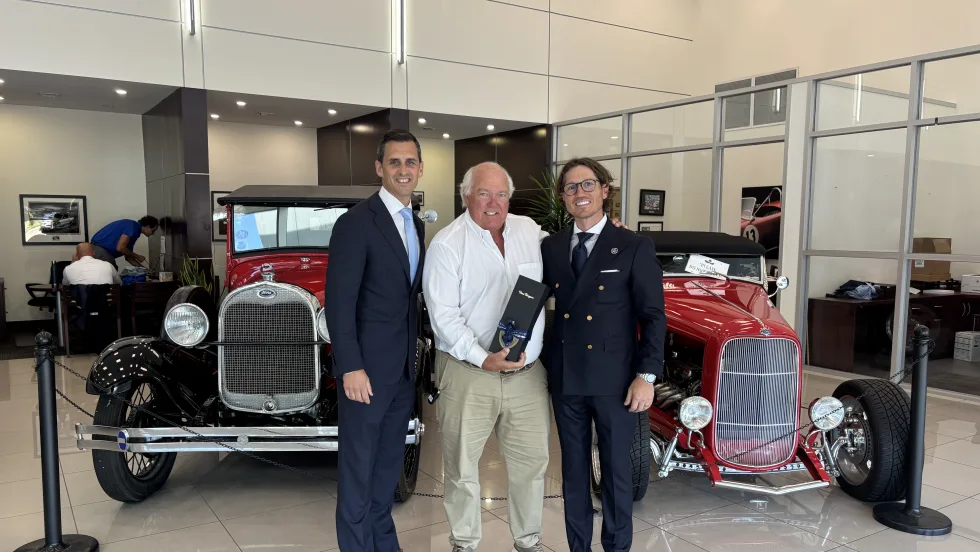
Texas Dealership No Longer in the Family
The Ford store, a longtime cornerstone of the Houston market, is now part of one of the fastest-growing U.S. auto groups.
Read More →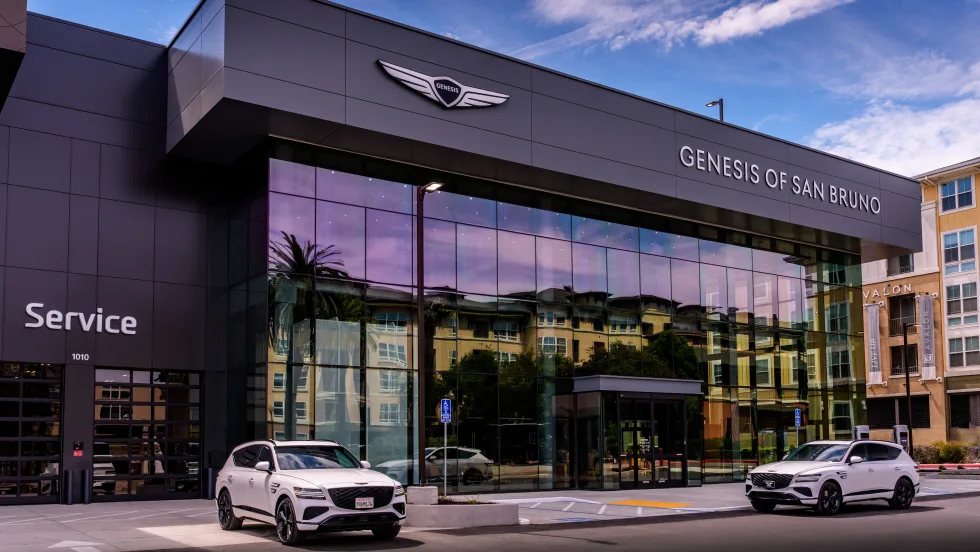
Genesis Grows California Presence
The Cardinale Automotive Group opened its third Genesis rooftop in the Golden State, Genesis of San Bruno, a stand-alone dealership serving the San Francisco Bay Area.
Read More →
August Auto Sales a Mixed Bag
An early forecast shows strong business despite consumer hurdles, and hybrids are a big piece of their affordability coping strategy.
Read More →