


Independent Inspections - What is all the Fuss About?

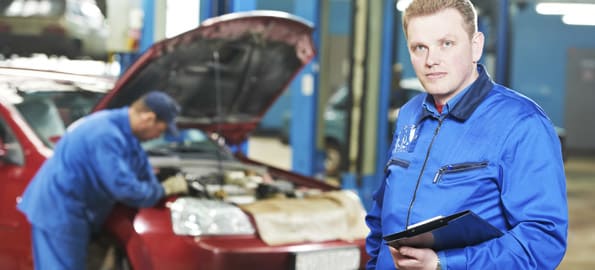
Independent Inspections - What is all the Fuss About?
Several years ago, the qualifications of independent inspectors came under scrutiny. Since then, a number of insightful articles have been written, opinions have been shared and attempts have been made to develop a better process. This was not the first time the automotive industry clamored about the need for changes in this area, and while some advances have been made, it seems we haven’t been able to come to an agreement on a solution to the issues.
And just what are those issues? I suppose it depends on which segment of the industry you ask: service contract administrators will have one set of concerns, while inspection agencies face other challenges. Then the inspectors themselves bring an entirely different perspective to the table. Then there is, of course, the dealership/repair facility viewpoint as well. For the sake of brevity, I have listed a sample of comments from the perspective of each of those entities.
The Issues
From the administrator’s perspective, here are some things inspectors and inspection agencies need to do or improve upon:
Ensure that all reports are factual and absent of personal opinion. Should the claim go to legal, the facts are all that matter, and an opinion may actually damage the case.
Make sure all reports are legible, and the font size is large enough to be read. If the report is not legible or if hand writing is difficult to read, type the report.
Verify all reports are definitive, and all questions that were asked have been answered.
If stating something appears to be pre-existing, document the proof to support it. (i.e. short or long term leaks, road grime build-up or the amount of play in a component).
Do not just state “per TSB” or the “technician said he had this code and this was the failure.” Request the technician demonstrate what was done to determine the failure, up to and including any specifications, electrical readings, codes, gauges or diagnostic trees.
Ensure photographs confirm the failure. Multiple shots of front end components without the proof of excessive play are not beneficial. How was the failure verified? Perhaps the use of a dial indicator would be helpful.
Avoid discussing items with the technician or service advisor that are not on the repair order, yet discovered by the inspection. Instead, note it in the report, and the administrator will make the decision regarding the add-on.
From the inspection agency perspective, improvement in the following areas can positively affect the outcome of inspections:
Place greater emphasis on communicating the expectations from an inspection with the repair facility before the inspector arrives (i.e. type of testing, level of tear down and how they want the failure demonstrated).
Ensure the vehicle is truly ready for inspection. Verify all disassembly is complete and the technician is available to demonstrate the failures.
Provide as much information regarding the present claim and any related claim history.
Ensure all adjusters within an administrator follow consistent procedures.
Develop and provide inspection standards where possible to enable consistent methods of communicating credible inspection findings and other information.
From the inspector’s perspective, these are some of the challenges they face:
Excessive hold time when calling in the verbal report.
Lack of teardown at the repair facility.
Excessive photos – time is better spent investigating the claim (for example, pictures of all four tires that are the same size seems unnecessary).
The repair facility did not agree with the inspector’s last findings, they complain, and the inspector is no longer allowed into that repair facility.
Technicians that lack knowledge, and the breakdown in communication between the technician and the service advisor, between the service advisor and the customer, and between the service advisor and the administrator’s claims adjuster.
These issues have been in the spotlight for a considerable amount of time. But instead of waiting for a certification program to solve it wll, it will benefit the industry as a whole to work out some of the more troublesome issues together. We may not be able to address all of our concerns, but doing business as usual isn’t solving the problem.
To accomplish this, it will be necessary to have cooperation and feedback from independent inspectors, inspection agencies and administrators, as well as their recommendations on how to address these issues. At the very least, the administrators should meet with the inspection agencies they chose to work with and establish effective communication channels and guidelines.
The Fallout
One of the most important factors relating to the reputation of an administrator is the integrity of their claim adjudication philosophy. Disastrous results can befall an administrator if there is even the appearance that claims aren’t being adjudicated with 100% straightforward intentions. These consequences include increased customer complaints, Better Business Bureau inquiries, Department of Insurance investigations and lawsuits. Does this sound overly dramatic? It is the reality that a number of administrators have experienced over the years.
Most administrators simply want a true and accurate verification of the reported facts, confirmation that the technician’s diagnosis agrees with the complaint and proof that the condition can be demonstrated. There is absolutely no place in our industry for service contract administrators who look for ways to deny legitimate claims - these tactics circumvent a healthy business environment and cast a negative shadow on everyone in the industry. However, it is appropriate to request very specific points of inspection to determine if non-covered factors caused a failure. Some of these points might be:
Did the condition exist prior to the issuance of the contract?
Was the vehicle being operated with sufficient fluids/lubrication?
Did the driver do everything possible to protect the vehicle from further damage after the breakdown?
It is a prudent business practice to ensure that both the inspector and agency know exactly what the administrator is attempting to ascertain. This is where improvements in communication may also need to be made: It will certainly help to develop consistent and comprehensive methods to ensure that each of a given administrator’s desires and protocols are understood and communicated to and by the inspection agencies, inspectors and the dealerships/repair facilities. To that end, we as administrators, inspection agencies and independent inspectors need to come together to discuss the issues and create communication standards. This won’t address all the issues, but it will get us closer to understanding each other’s challenges and allow us to work together in a cooperative manner to improve our part of the industry.
More Industry

Achromatic Autos
The shades that dominate the U.S. car market don’t call attention to themselves, though grayscale may have plateaued after a 30-year upswing, research shows.
Read More →
Used-Vehicle Affordability Worsens
Listing prices in August defied seasonal trends, rising above $27,000 for the second time this year.
Read More →
First-Half Dealership Deals Up
Buy-sell activity shows that acquirers are looking for value and scale as many retailers seek to leave an increasingly competitive and complex market, Kerrigan Advisors reports.
Read More →
Kia Closes Out Summer With a Bang
Its U.S. subsidiary broke multiple records in August, in part due to a surge of demand for hybrids models.
Read More →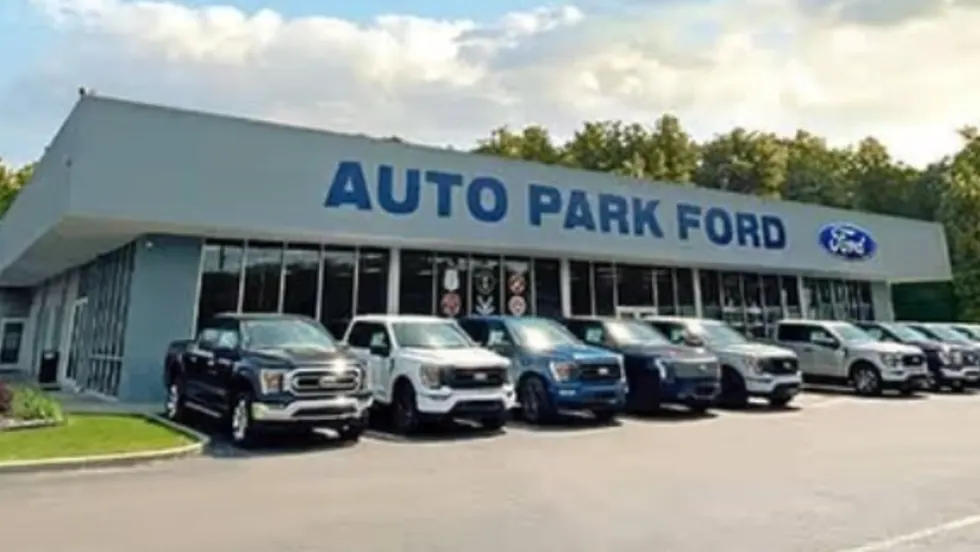
Indiana Dealership Changes Hands
A 30-year-old Ford dealership in Indiana has a new owner and will soon be undergoing renovations to meet manufacturer requirements.
Read More →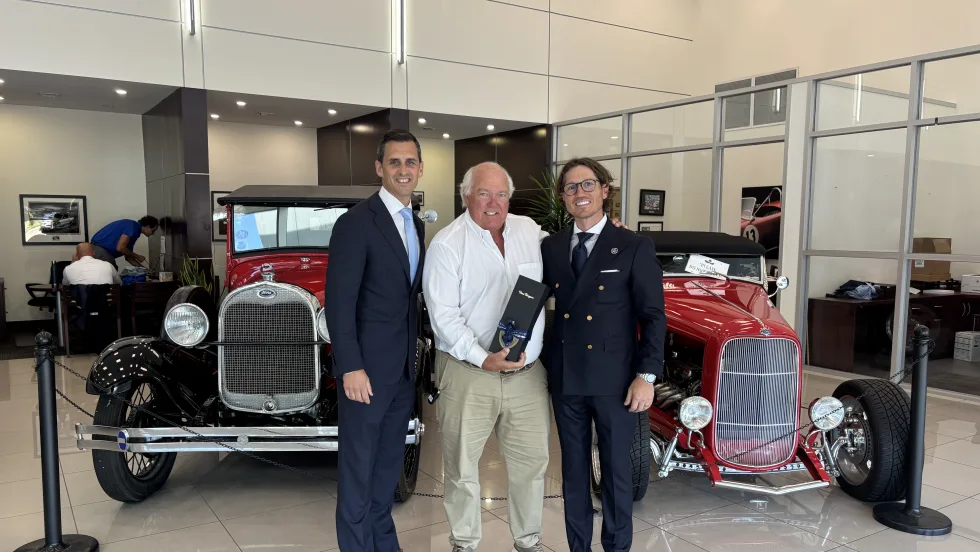
Texas Dealership No Longer in the Family
The Ford store, a longtime cornerstone of the Houston market, is now part of one of the fastest-growing U.S. auto groups.
Read More →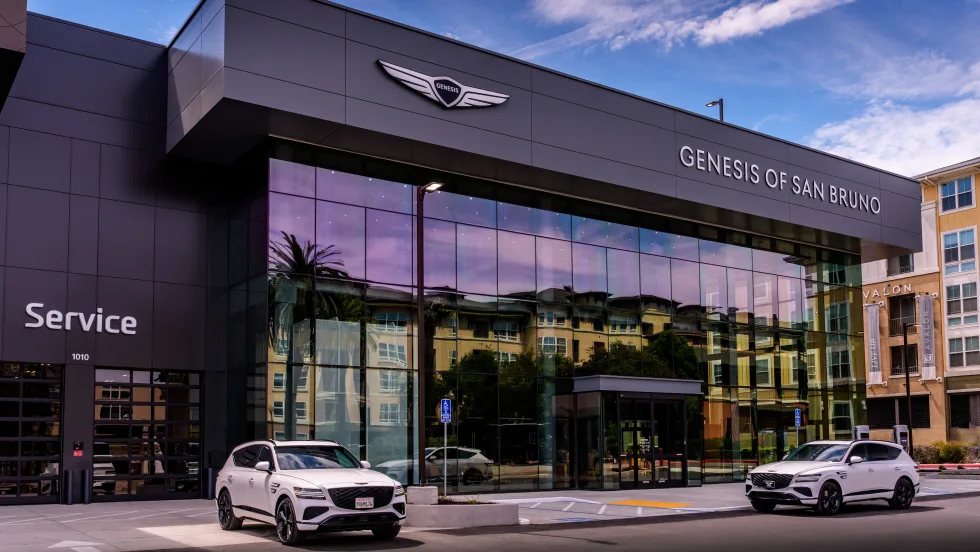
Genesis Grows California Presence
The Cardinale Automotive Group opened its third Genesis rooftop in the Golden State, Genesis of San Bruno, a stand-alone dealership serving the San Francisco Bay Area.
Read More →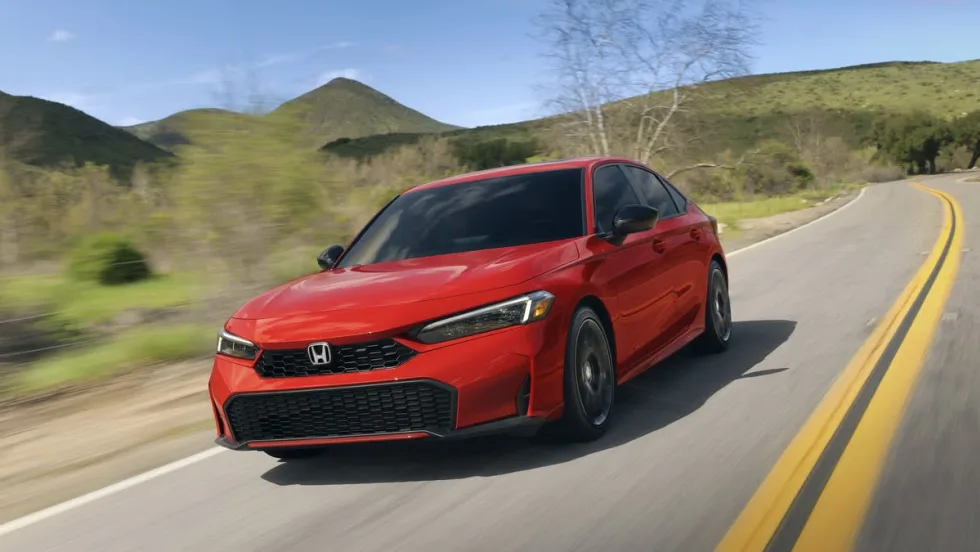
August Auto Sales a Mixed Bag
An early forecast shows strong business despite consumer hurdles, and hybrids are a big piece of their affordability coping strategy.
Read More →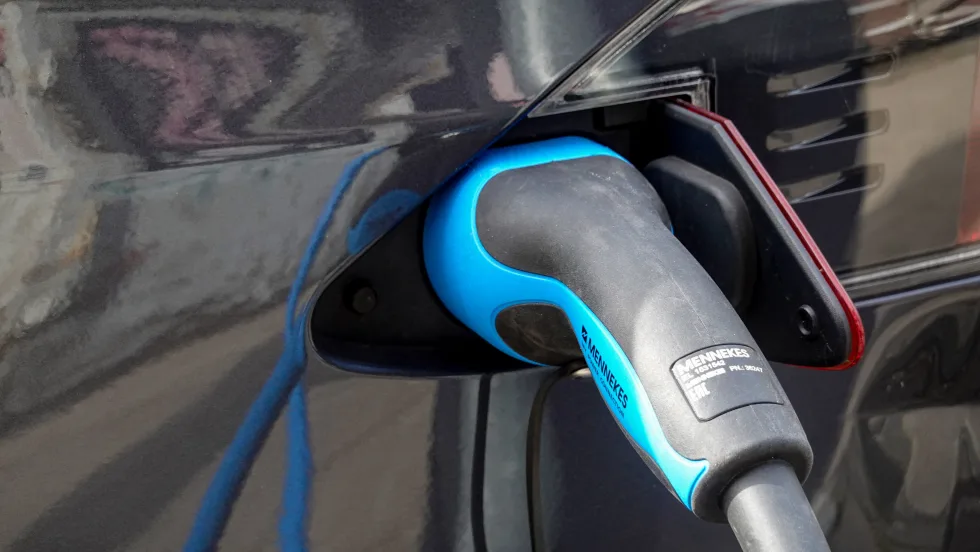
EV Market Humming Along
July sales show steady growth as the segment stabilizes from last year’s artificial surge following pullback of federal support.
Read More →
Auto Loan Delinquency Rates Stabilize
Auto loans are a main driver of nonmortgage consumer debt, but delinquency rates stabilized in the second quarter across all credit risk tiers.
Read More →