


Mapping the Customer Journey
To meet and exceed modern consumer expectations at each step of the buying process, develop new techniques and use technology to help them discover, learn, and be validated in their decisions along the way.
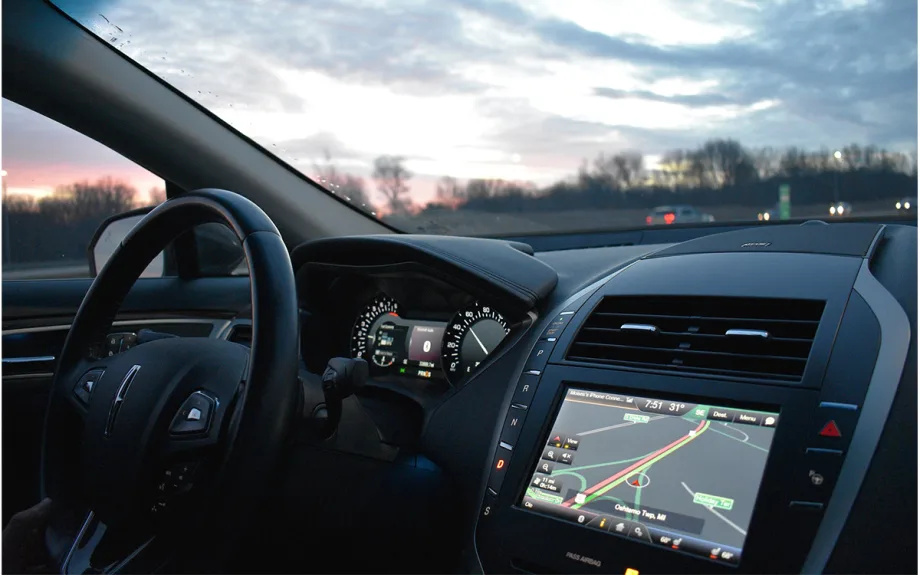
To meet and exceed modern consumer expectations at each step of the buying process, develop new techniques and use technology to help them discover, learn, and be validated in their decisions along the way.
In today’s retail environment, connecting with buyers can be a major challenge for dealerships. How do car shoppers learn about your dealership? What motivates them to visit your showroom or start the buying process online? To sell more cars, it helps to know how today’s consumer discovers, learns about, and purchases vehicles, so you can identify holes in your marketing and sales processes that might be leading to missed opportunities.
To meet and exceed modern consumer expectations at each step, develop new processes and use technology to help them discover, learn, and be validated in their decisions along the way.
The five steps of the modern buyers’ purchase experience are as follows:
Step 1: Discover
Recent research from WardsAuto found that one in three dealers believe their biggest challenge is attracting new customers with marketing. Where do you invest your marketing dollars for the highest return on investment?
First, you must identify where your customers spend their time online. Increasingly, that means social media platforms. It also means your dealership must be visible in places that shoppers use to research vehicles.
Social Media: According to Facebook IQ Advertising, 87% of U.S. auto buyers used social media in their auto research process. Facebook offers powerful tools that allow active car shoppers to be targeted at opportune moments by dealership ads. YouTube enables shoppers to search out vehicle review videos, walkaround videos, and virtual test-drive videos from the comfort of their mobile device. Facebook Marketplace and Instagram provide additional resources to connect both active and passive shoppers with dealers’ inventory and incentives.
Google My Business: Most consumers Google a business before they decide to visit, to assess the credibility and trustworthiness of the business. Make sure your presence on the Google Business platform is detailed, complete, and professional. A 4.5-star or higher overall rating will leave a positive impression. An overall rating below 4 stars may create an uncertain or even negative impression. Monitor and respond to all negative reviews. Create defined processes to encourage happy customers to leave Google reviews for you.
SEO/SEM: Are your inventory pages mobile-friendly? Successful SEO and SEM strategies require a high degree of mobile responsiveness, as most car shoppers will access dealers’ websites from their mobile device. Pay attention to both the quality and quantity of website content; reducing content and increasing quality will often equate to the highest gains. Other factors that impact your results include site architecture, including links and metadata, keyword research, page optimization, and whether or not you’re targeting the correct audience.
Invest in these channels to capture attention and raise brand awareness. Then, leverage data from your best customers to develop targeted and personalized campaigns.
Step 2: Learn
Once customers are aware of your brand, the next step is to engage them by creating an immersive and educational experience on your website. Be sure to have accurate and interactive views of vehicle inventory with detailed descriptions, photos, and video walkarounds.
Key strategies for streamlining this phase of the buyer’s journey include a smooth transition to sales, speed to answer, personalization, and proactive lead management.
Transition to Sales: Consider investing in digital retail tools that allow customers to complete at least some of the purchase process online. Recommended tools and resources include trade-in evaluation, online credit applications, and the ability to quote accurate payments.
Speed to Answer: The faster you can respond to a lead, the higher the close rate. To capture more leads, prominently feature website communication prompts, such as chat, phone, and text extensions.
Personalization/Lead Management: According to Salesforce research, 76% of consumers expect companies to demonstrate an understanding of their needs and expectations. Website-to-CRM integration is critical to delivering the kind of experience the modern car buyer expects. With website-to-CRM integration, salespeople and managers can be notified when a customer is browsing your website. This integration provides valuable insights into buyer behaviors before they proactively make contact or visit your store.
Step 3: Validate
Buying a vehicle is a big decision for consumers. Before they pull the trigger, they want to validate they are making a smart decision. This step represents a key phase of the shopper’s journey that many dealerships overlook — if you exceed customer expectations, there is a good chance your dealership will close the sale.
Validating a customer’s purchase decision requires transparency, speed, and control. First, you must be transparent with price, payment, and F&I products, which requires customer-facing documentation that clearly highlights these important figures with no second guessing. Second, always respect your customers’ time by responding to communications quickly and shortening the sales and F&I process in the showroom. Finally, let customers feel that they’re in control. Dealers who demonstrate respect for the evolving power dynamic between shoppers and the dealership will be rewarded.
Step 4: Buy
Today’s car shoppers expect to have limited negotiations, so eliminate last-minute surprises or curveballs. According to Deloitte, 42% of consumers say it takes too long to purchase a vehicle, and 57% say too much paperwork is involved. Tips for an optimal purchase process include:
Seamless integration from CRM to DMS: The connection cuts down on time and duplicate entries.
Evaluate desking process: Are you providing a quick, consistent experience?
Provide customers with the flexibility they need: Offer to close deals digitally or remotely.
Step 5: Return
Developing long-term loyalty boosts service revenue and increases the likelihood of a customer buying again from your store. To boost customer loyalty, make sure every new and used car owner is aware of your service department. Tips include:
Introduction to service department before vehicle delivery; if not, send “virtual introduction” videos.
During the F&I process, offer options that encourage customers to visit your service department for routine and non-routine maintenance, such as multi-visit service discounts or a service contract.
Provide first oil change and/or tire rotation for free. Immediately schedule the customer’s next service appointment at the end of the visit.
Implement a process for data mining customer segments in your CRM and create personalized outreach campaigns for service reminders, recalls, and declined services. Create equity campaigns designed to acquire used inventory.
Mapping the customer journey can help your dealership contact and engage new customers, while helping them through the purchase process. To meet and exceed modern consumer expectations at each step, develop new processes and use technology to help them discover, learn, and be validated in their decisions along the way.
Anthony Mitchell is senior manager of strategic growth with DealerSocket. His extensive automotive experience and consultative insights help countless dealers make the most of their software investment and sell more cars, more profitably.
Originally posted on Auto Dealer Today
More Industry

Charger Network Growth Slows
Despite a projected increase in public EV chargers in 2026, charging infrastructure remains a top concern for consumers as the gap between the most and least EV-friendly places remains substantial.
Read More →
Lenders, Consumers Take on More Auto Loan Risk
September records loosened credit access the most in over a decade as buyers took advantage of the conditions to afford trading, though loan applications fell.
Read More →
Next-Gen Hybrids in Sight
Dealerships can expect to see revamped hybrids from Honda next year as the company rolls out a new system and model lineup.
Read More →
Gem State Stores Change Hands
A larger auto group founded in the industry’s early years sold two franchises to a neighbor group that's on a growth spurt.
Read More →
Charging In Motion
Honda has been researching wireless in-motion charging for electric vehicles since 2025, and new technology developments have put it a step closer to a final product.
Read More →
Twin Cities Stores Sell
Minnesota-based Walser Automotive Group made what it called the most significant acquisition in its history with a three-rooftop deal in Minneapolis.
Read More →
U.S. Auto Sales Still Below Prepandemic Levels
Mobility Global industry observers don’t expect the market to return to the higher volumes that became routine before Covid but to stay well below its potential.
Read More →
The Powertrain Shift
Electric-vehicle owners are backpedaling, according to new data, with product availability driving many to shift back to gas-powered engines.
Read More →
Achromatic Autos
The shades that dominate the U.S. car market don’t call attention to themselves, though grayscale may have plateaued after a 30-year upswing, research shows.
Read More →
Used-Vehicle Affordability Worsens
Listing prices in August defied seasonal trends, rising above $27,000 for the second time this year.
Read More →