


No Human Necessary: Emerging Tech and Impactful Trends
Providers and administrators who are stubbornly resistant to new technology and processes will fall behind those who acknowledge their appeal to an increasingly mobile end user.

Providers and administrators who are stubbornly resistant to new technology and processes will fall behind those who acknowledge their appeal to an increasingly mobile end user.
Photo via iStock
The inception of digital retailing has changed the face of consumer purchasing. Amazon’s hyper growth has put many brick-and-mortar retailers out of business, and now automotive newcomers are pursuing the entire new-car purchase online.
Tech like Apple CarPlay and lane-keeping assistance not only influence how I think about my next vehicle purchase but are also gaining driver trust like a gateway drug, drawing us into acceptance of autonomous car tech, validating the $1 billion bet Uber waged. As if that’s not enough, future generations are more interested in the convenience of a particular vehicle than they are in ownership, propelling the subscription services trend and taking a segment away from new auto sales. Is your playbook ready for this critical playoff round?
The Digital Retail Game
Walmart has managed to thrive even while retailers like PACSUN, RadioShack, JCPenney and Toys R Us have tanked in the wake of the online retail surge. In fact, in Q4 of 2018, the giant retailer reported that in U.S. stores open for at least a year, sales rose 4.5%. This is the highest growth Walmart has seen in a decade. Despite the threat of people staying home and ordering their stuff online — probably from Amazon — Walmart says it recorded more shoppers going to its stores and spending more per trip than in previous quarters.
So how did they do it? They listened to consumers and made the necessary changes to deliver what they asked for instead of arguing the current retail model was sufficient. The company not only invested to expand its grocery delivery service to cover 40% of the U.S. population but updated their ecommerce sales approach based on customer feedback. The result was an over 40% increase in sales in the first three months it came online. Bottom line: They listened and adapted.
So how do we copy this resilient example in automotive? Use that same playbook and listen. According to Capgemini’s annual Cars Online study, 35% of consumers in 2015 followed by 42% in 2017, said if it were possible, they were “likely” or “very likely” to buy a car entirely online. By 2018 that number had grown to 60% based on Deloitte’s latest global automotive consumer study. Car companies like Tesla and Genesis Motors Canada have already created the technology pathway for the online purchase process, but is that all it takes? No, not at all.
There’s a balance we’ve got to provide between the virtual and the physical. Purchasing a vehicle, like many things, is such a personalized decision. How do we “try things on” online?
According to a 2017 study by Capgemini, 71% of car buyers still want to take a test drive and see the car in real life. Digital retailing is about far more than just ecommerce, and simply adding a “buy now” button to your website is not a solution that will succeed.
According to the Bain Global’s 2017 Automotive Consumer Survey, the average car shopper will switch between online and offline channels four times before buying. This means solutions that don’t seamlessly connect the consumer’s online experience with their instore journey are not following the winning playbook. Keeping in mind the “why” factor is critical when drafting your new plan.
You can probably guess why consumers don’t enjoy their instore vehicle purchase, but data from aforementioned Deloitte study tells us the aspects they dislike the most are that it requires too much paperwork, it takes too long, and they don’t like price haggling. Essentially, the statistics point to evidence that consumers consider a car purchase a major investment. And yet they still want the ease of process and lack of negotiation afforded by the existing online retail model.
So what does the winning play look like?
It’s available. Digital retailing happens 24/7. Implement technology solutions based on proven infrastructure, because you can’t afford to be “down” in a digital world.
It’s thorough. A “buy now” button is not enough. We have to both provide reliable payment estimates and incorporate F&I product offerings to further facilitate the paperless transaction.
It’s transparent. Today’s consumers demand online access to information to truly educate themselves on available options and also seek out reviews and feedback from other buyers.
It’s frictionless. Shift waiting time to the couch at home. Don’t you love that you can register online to go to your local doctor and get to wait at home, rather than in a tiny lobby full of sick people for hours?
It’s seamless. It incorporates an omnichannel approach with both technology and people processes, incorporating both the online and offline experience. In other words, care enough to keep track of data the customer has already given you, where they were in the process and who they were talking to last time they interacted with you. In short, the winning play decreases the most painful aspects of the customer experience.
The Digital Driver Influence
I love that, as soon as I plug my phone into my car and Apple CarPlay connects, it tells me the best route to the office and how long it will take. I love it so much that there was this absolutely gorgeous dream car we were considering, and despite the stunning design and performance, I walked away from it because it didn’t offer Apple CarPlay.
But digital driver tech goes way beyond the Android or Apple CarPlay experience. In fact, when you pause to consider where it’s headed (the driverless car), it may be a little scary. We’re being lulled into liking and trusting it, in its infancy, by things like semiautonomous driving and parking technology.
Investors already believe in the autonomous car future to the tune of close to $100 billion in venture dollars, in the field, since 2015. And it’s not just Wall Street. Toyota invested $500 million in Uber to fund a partnership set to deliver self-driving cars by 2021. Forbes predicted 10 million self-driving cars on U.S. roads by 2020 and the directors of Loup Ventures have stated that, “By 2040, we expect that over 90% of all vehicles sold will be ‘highly’ and ‘fully’ autonomous systems.” Top off this self-driving concept with the Uber/Lyft phenomenon and we are left with a new dynamic that should not be ignored.
Subscription Deal of the Week
Observers of the U.S. economic engine oscillate between describing auto subscription services as “It’s a big deal!” and “It’ll never work!” (Check out the interesting progression of headlines from Forbes on page 15.) My daughter and her husband — along with many other young people I know — use subscription services for everything from TV and music to clothes and food. They are comfortable with this concept and are driving much of the demand for subscription automotive services. In fact, I recently cooked my first meal from a meal subscription service, and I loved the convenience, the quality, and the fun of actually making something whose name sounded hard but ended up being really simple!
If you think the vehicle subscription service adoption curve may take a while, ponder this: When was the last time you bought a CD? How many in that industry didn’t see (or worse, respect) the coming of digital music services like Pandora?
I love this quote from Don Flow, CEO of Flow Automotive, a North Carolina dealership group: “I can’t predict what the next 50 years is going to look like, but I can predict it’s not going to look like the past has looked. If that’s the case, we’ve got to open our minds to a lot of different possibilities.” He had just started a subscription car service called Drive Flow.
Back to Reality
Ultimately, we all want businesses that flourish, no matter the winds of change. And in most scenarios, nurturing a returning customer base can exponentially outweigh a brand-new customer base. So how does this new digital retailing twist on automotive sales impact customer loyalty?
Funny, but that part hasn’t really changed at all. In “The Future of Auto Retailing,” Deloitte analysts shared their research revealing that Generation Y car buyers “value customer experience three times as much as vehicle design.”
The bottom line is that customers come back to the places where they have had great experiences, whether those places are in the virtual/digital retail world or the hands-on world, like spa services. So far, I’ve had great experiences with Amazon, so I keep using them. I’ve had great experiences at my local grocery store too (they helped us build our Christmas meal baskets for everyone on the StoneEagle team) and so even though I love the Amazon experience and my new Sun Basket meal subscription, I still go down to Market Street for most of my groceries.
So, while some observe all the dynamics of digital retail (autonomous driving tech, subscription services etc.), and basically say, “It’s the end of the world as we know it,” I believe our buyer is simply changing.
Cindy Allen is the CEO of StoneEagle Inc.
More Industry
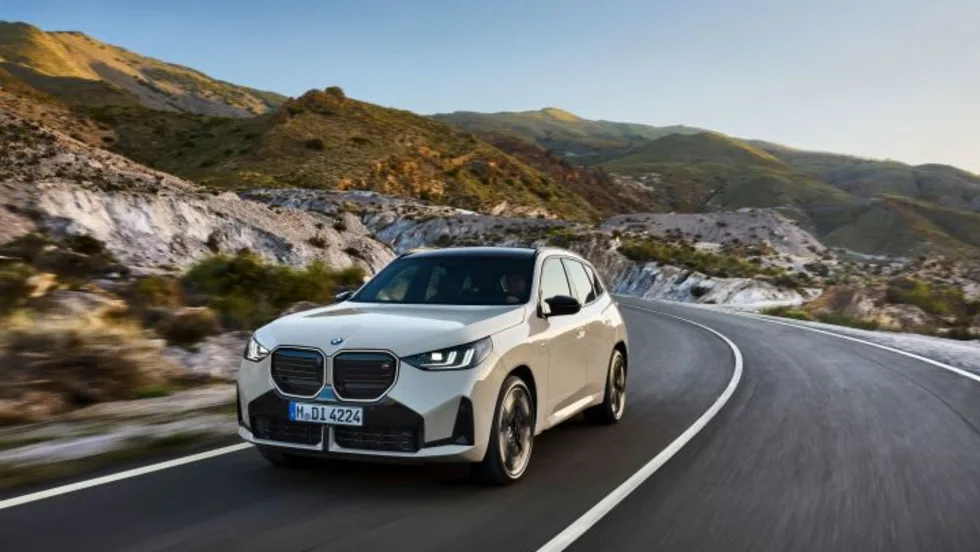
Achromatic Autos
The shades that dominate the U.S. car market don’t call attention to themselves, though grayscale may have plateaued after a 30-year upswing, research shows.
Read More →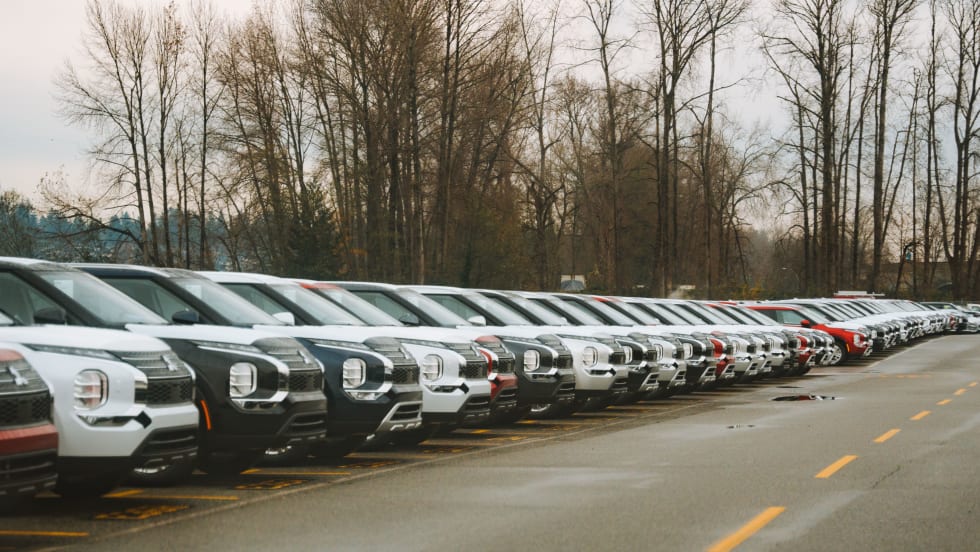
Used-Vehicle Affordability Worsens
Listing prices in August defied seasonal trends, rising above $27,000 for the second time this year.
Read More →
First-Half Dealership Deals Up
Buy-sell activity shows that acquirers are looking for value and scale as many retailers seek to leave an increasingly competitive and complex market, Kerrigan Advisors reports.
Read More →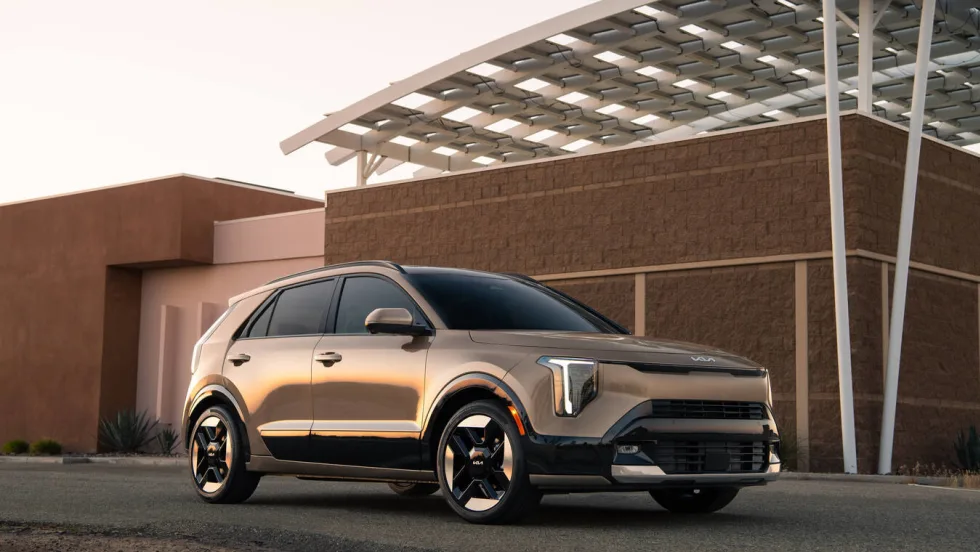
Kia Closes Out Summer With a Bang
Its U.S. subsidiary broke multiple records in August, in part due to a surge of demand for hybrids models.
Read More →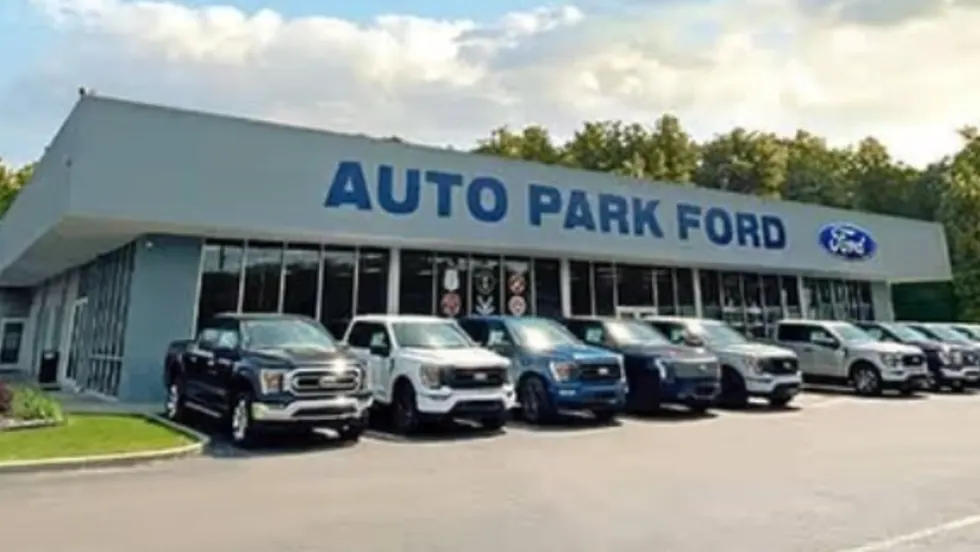
Indiana Dealership Changes Hands
A 30-year-old Ford dealership in Indiana has a new owner and will soon be undergoing renovations to meet manufacturer requirements.
Read More →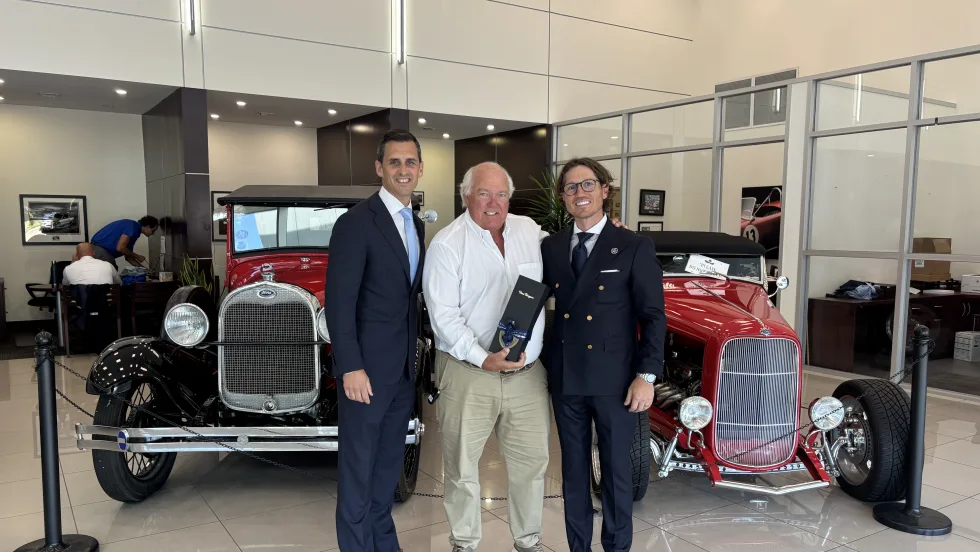
Texas Dealership No Longer in the Family
The Ford store, a longtime cornerstone of the Houston market, is now part of one of the fastest-growing U.S. auto groups.
Read More →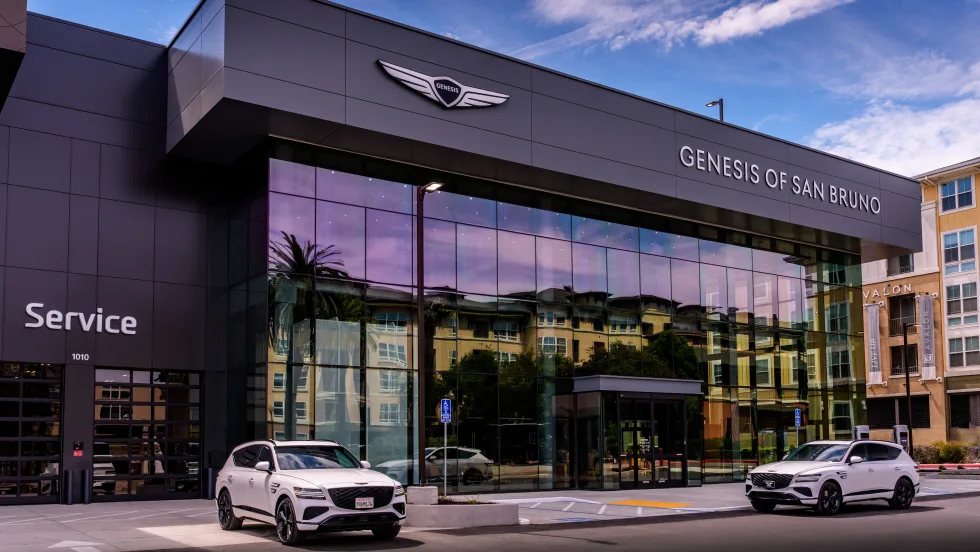
Genesis Grows California Presence
The Cardinale Automotive Group opened its third Genesis rooftop in the Golden State, Genesis of San Bruno, a stand-alone dealership serving the San Francisco Bay Area.
Read More →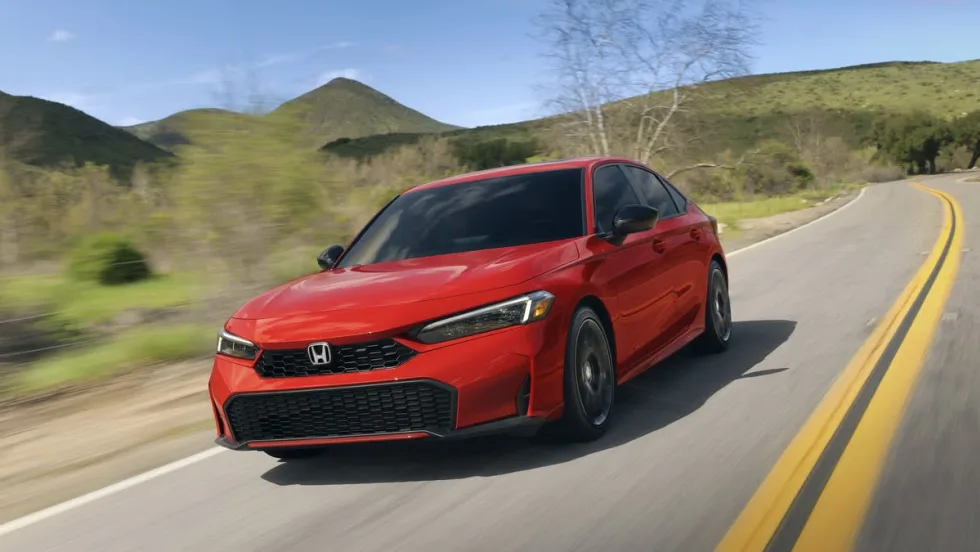
August Auto Sales a Mixed Bag
An early forecast shows strong business despite consumer hurdles, and hybrids are a big piece of their affordability coping strategy.
Read More →
EV Market Humming Along
July sales show steady growth as the segment stabilizes from last year’s artificial surge following pullback of federal support.
Read More →
Auto Loan Delinquency Rates Stabilize
Auto loans are a main driver of nonmortgage consumer debt, but delinquency rates stabilized in the second quarter across all credit risk tiers.
Read More →