


Paystub: Real or Fake?
Follow these steps to have confidence in what you're dealing with.


Credit application fraud is one of the top three risks dealers face today.
IMAGE: Pexels/John Guccione
Stories about the wonders and potential pitfalls of artificial intelligence have dominated the news cycle lately. You can use AI to write a song, create a fake pay stub, and more.
Along with identity theft and deceptive-practices claims, credit application fraud remains one of the top three risks dealers face today. In the past, consumers and identity thieves could surf the internet and create fake pay stubs and other documents to support many stips from finance sources on a deal, or to support an identity theft, or both. Now they can use AI to create those fake pay stubs, and some of the old methods to vet the pay stub have been put to rest.
One line I use in many of my recap meetings or training sessions when discussing identity theft and red flags is, “The thieves are getting better. We need to ramp up our game.” AI is helping the thieves and lying consumers get better – we must counter.
The Federal Trade Commission shut down three websites in 2018 that were selling fake documents that could be used as stips on a deal or for identity theft. Even with this regulatory action, a recent internet search for “fake pay stubs” generated a list of 23 websites selling fake stubs, tax returns, bank statements and other supporting documents.
Unfortunately, the onus is on the dealership to vet the stips that are provided to support a transaction. The finance source expects you to review the pay stub for accuracy and legitimacy when it asks for proof of income on a deal.
Tips for Vetting Paystubs
So how do you vet a pay stub for legitimacy? While the following tips are not guaranteed to catch every fake, they can certainly catch some of the phonies. I have used these tips over the years to uncover fake pay stubs:
Logical Dates
Most employers have scheduled dates for payroll – weekly, every two weeks, or monthly. Obtain more than one pay stub, then check the pay dates to confirm the stubs fall within the logical dates.
Perfectly Rounded Numbers
Have you ever received a paycheck whose amount was $x,xxx.00? Not likely. Pay stubs with perfectly rounded off numbers in the deductions and final amount deserve further vetting.
Customer Demographics
Many pay stubs include the consumer’s demographic data, such as address and Social Security number. Check this data against the same information provided on the credit application or during the sales process. You should also pull the dictionary off the shelf and spell-check.
The Math
Review the math on the pay stub. Any columns or totals that do not add up correctly are red flags.
FICA Deductions
The FICA deductions are a fixed percentage of income. If your calculation generates a different result than reported on the pay stub, you may have a phony pay stub.
Missing Deductions
W-2 employee pay stubs include gross pay, withheld amounts, and net pay, both current and year-to-date. If those are missing, you may have a bogus pay stub.
Flowery Fonts and Cheap Paper
Legitimate pay stubs use cold, nondescriptive fonts and are printed on thicker paper. A pay stub using a flowery font or printed on low-grade, recycled paper may just be a fake.
Employers
Call the employer and ask for HR. Ask if the consumer works at the company. If HR won’t provide any information, hang up and call back. This time, ask for the consumer by name and see if the receptionist inadvertently confirms employment. Use the same drill for the previous employer. Finally, look up the phone number yourself; the number the consumer provides may go to a call center or to a friend.
Direct Deposits Information
Ask for a copy of the bank statement covering the date of the pay stub. Look for a deposit equaling the net pay, especially if the pay stub indicates “direct deposit.”
Copies of W-2s or Tax Returns
While it is possible to jick a W-2 or a tax return, it is a much harder process and may require the identity thief to go back to the fake-pay stub website. Compare the info on the pay stub to the tax return for consistency.
Your Finance Source
If you have any doubts regarding the legitimacy of a pay stub or any other stip, simply send it to the finance source for a review. Many of them have access to software to conduct the review. With a thumbs-up from the finance source, there should not be a future chargeback.
Trusting Your Gut
Call it intuition, call it ESP, call it trust your gut. It is that feeling that something might be awry. If your gut is telling you that “something ain’t right,” listen. Thoroughly vet the documents, and get your finance source involved. They want to make a deal as badly as you do but also want to manage the risk of default and identity theft.
Good luck, and good selling.
ABOUT THE AUTHOR
Gil Van Over is executive director of Automotive Compliance Education (ACE), founder and president of gvo3 & Associates, and author of “Automotive Compliance in a Digital World.”
Originally posted on F&I and Showroom
More Industry

Charger Network Growth Slows
Despite a projected increase in public EV chargers in 2026, charging infrastructure remains a top concern for consumers as the gap between the most and least EV-friendly places remains substantial.
Read More →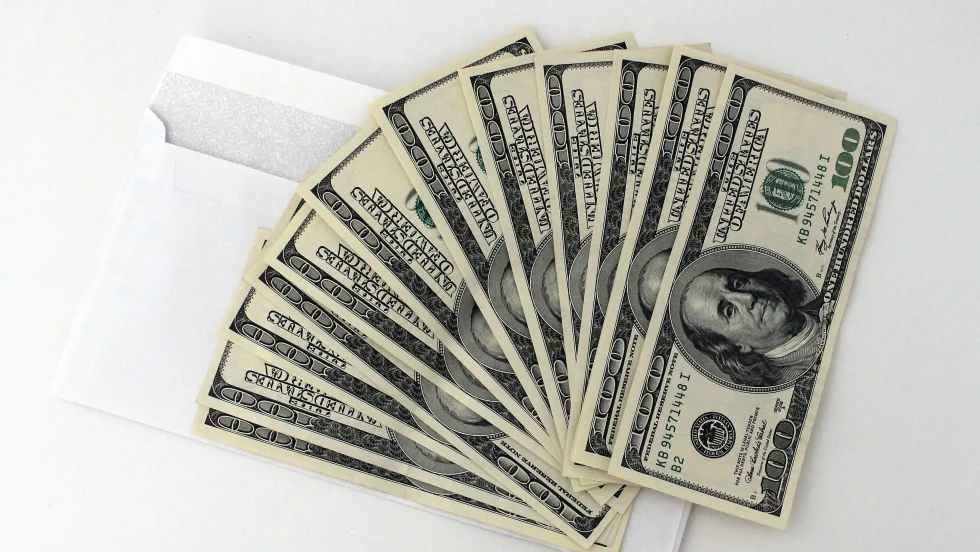
Lenders, Consumers Take on More Auto Loan Risk
September records loosened credit access the most in over a decade as buyers took advantage of the conditions to afford trading, though loan applications fell.
Read More →
Next-Gen Hybrids in Sight
Dealerships can expect to see revamped hybrids from Honda next year as the company rolls out a new system and model lineup.
Read More →
Gem State Stores Change Hands
A larger auto group founded in the industry’s early years sold two franchises to a neighbor group that's on a growth spurt.
Read More →
Charging In Motion
Honda has been researching wireless in-motion charging for electric vehicles since 2025, and new technology developments have put it a step closer to a final product.
Read More →
Twin Cities Stores Sell
Minnesota-based Walser Automotive Group made what it called the most significant acquisition in its history with a three-rooftop deal in Minneapolis.
Read More →
U.S. Auto Sales Still Below Prepandemic Levels
Mobility Global industry observers don’t expect the market to return to the higher volumes that became routine before Covid but to stay well below its potential.
Read More →
The Powertrain Shift
Electric-vehicle owners are backpedaling, according to new data, with product availability driving many to shift back to gas-powered engines.
Read More →
Achromatic Autos
The shades that dominate the U.S. car market don’t call attention to themselves, though grayscale may have plateaued after a 30-year upswing, research shows.
Read More →
Used-Vehicle Affordability Worsens
Listing prices in August defied seasonal trends, rising above $27,000 for the second time this year.
Read More →