


Trump 2.0 and Enforcement Priorities
The upshot is don’t relax, because regulation indeed continues.

Though the Trump administration has pulled back on regulation in general, it's still pursuing litigation in the auto industry.
Pexels/Mikhail Nilov
The compliance landscape under the second Trump administration is shifting … just not in the ways you expected.
Just days after Donald Trump was inaugurated as our nation’s 47th president, the Fifth Circuit Court of Appeals threw out the Federal Trade Commission CARS Rule. This was widely seen as a high-water mark in the regulation of the retail automobile business. The feeling was that, under Trump 2.0, compliance was going to become something of a back-burner issue.
Subsequent developments seemed to bear this out. Throughout the spring, the Trump administration repealed 67 Consumer Financial Protection Bureau compliance guidance documents and dropped at least 21 CFPB enforcement actions. There has also been a significant reduction in the number of FTC enforcement actions.
So are we seeing a return to the wild, wild West? Far from it. If anything, compliance has become an even more pressing concern. Let me explain why.
State of the States and Calling Foul
First, state-level enforcement is expected to take up some of the enforcement slack, especially in blue states. In fact, New York is publishing ads aimed at displaced CFPB enforcement staff, inviting them to apply for jobs in that state. State attorneys general have greater incentive to go after high-profile enforcement actions than federal bureaucrats – remember that “AG” stands for both attorney general and aspiring governor.
Second, although the Trump administration seems to be swallowing the whistle when it comes to ticky-tack fouls – that is, technical offenses with no actual consumer harm, it is still blowing that whistle for flagrant fouls. If your bad actions result in actual consumer harm, you should expect to face consequences. Which leads to something new – and frightening: personal liability.
Sobering Detail
Personal liability is an enforcing agency not only seeking to punish the offending dealership but also the dealership employees who did the bad acts for the dealership’s benefit. Personal liability is not new, but it’s generally limited in amount and often bundled with the fines and penalties assessed against the dealership.
Which brings us to the case of the FTC and State of Illinois v. AutoCanada and James Douvas. That case was under investigation for over two years before the FTC and Illinois filed their complaint against a publicly traded Canadian dealer group and James Douvas, its American vice president of operations who oversaw its 10 dealerships in the U.S., operating as Leader Automotive Group in the Chicago area.
The complaint and joint motion for stipulated settlement were both filed on Dec. 19, 2024, in the final month of the Biden administration. In the settlement agreement, AutoCanada agreed to pay a $20 million fine and promised to sin no more. To my knowledge, this is the largest fine ever assessed against a dealership group.
But here’s the catch: The settlement did not cover the individual defendant, Jimmy Douvas. And whereas the dealer group settled for an unprecedented amount, the FTC and Illinois are going after Mr. Douvas for – are you sitting down? – $216 million.
Douvas moved to dismiss the case, but that motion was denied, so the case against him continues. I’ve read the complaint, which, among other charges, alleges Douvas:
“[E]xploited the post-pandemic shortage of available automobiles and took advantage of consumers in desperate need of affordable transportation.”
Attempted to maximize profit on every transaction (I am not making that up.)
Advertised vehicles at “enticingly low prices” and added charges for preapplied products, such as Xzilon and LoJack.
Buried the cost of vehicle-protection products in Line 1 of the installment sale contract, which can constitute bank fraud.
These are just allegations, not yet proven in a court of law, and Douvas is entitled to a presumption of innocence. But those first three allegations do not sound like crimes, and the potential penalty is unprecedented.
I suspect Jimmy Douvas does not have $216 million stuffed in a mattress somewhere, so there is no way he can be expected to pay that amount should he lose this case. It seems like overkill, like using a sledgehammer against a fly – not for the fly but for the flies that are watching.
And remember, although this case was filed by the Biden FTC, it is being continued by the Trump FTC. Real harm, real enforcement.
So no, gentle readers, this is not the time to stop taking compliance seriously. It is the time to take it very, very seriously.
James Ganther is president of Mosaic Compliance Services.
Originally posted on Auto Dealer Today
More Industry

Achromatic Autos
The shades that dominate the U.S. car market don’t call attention to themselves, though grayscale may have plateaued after a 30-year upswing, research shows.
Read More →
Used-Vehicle Affordability Worsens
Listing prices in August defied seasonal trends, rising above $27,000 for the second time this year.
Read More →
First-Half Dealership Deals Up
Buy-sell activity shows that acquirers are looking for value and scale as many retailers seek to leave an increasingly competitive and complex market, Kerrigan Advisors reports.
Read More →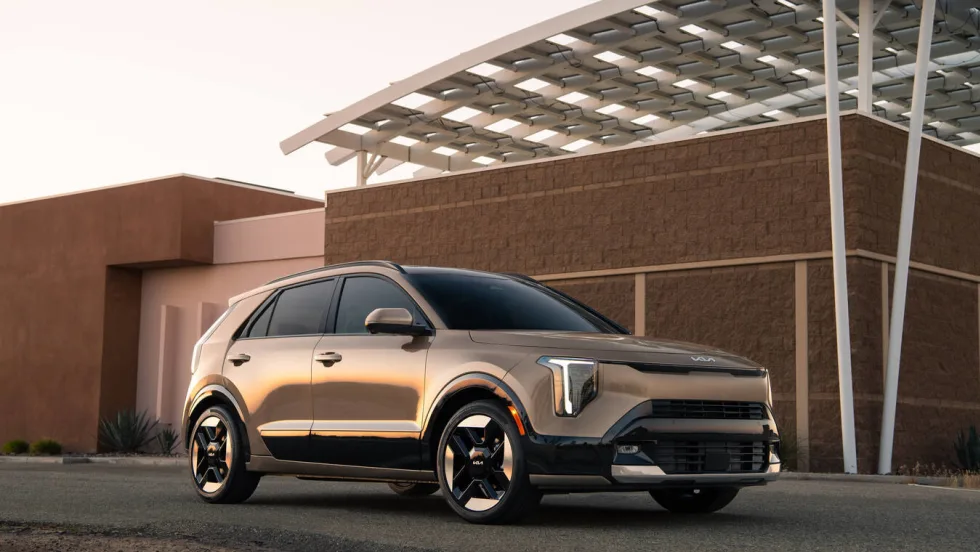
Kia Closes Out Summer With a Bang
Its U.S. subsidiary broke multiple records in August, in part due to a surge of demand for hybrids models.
Read More →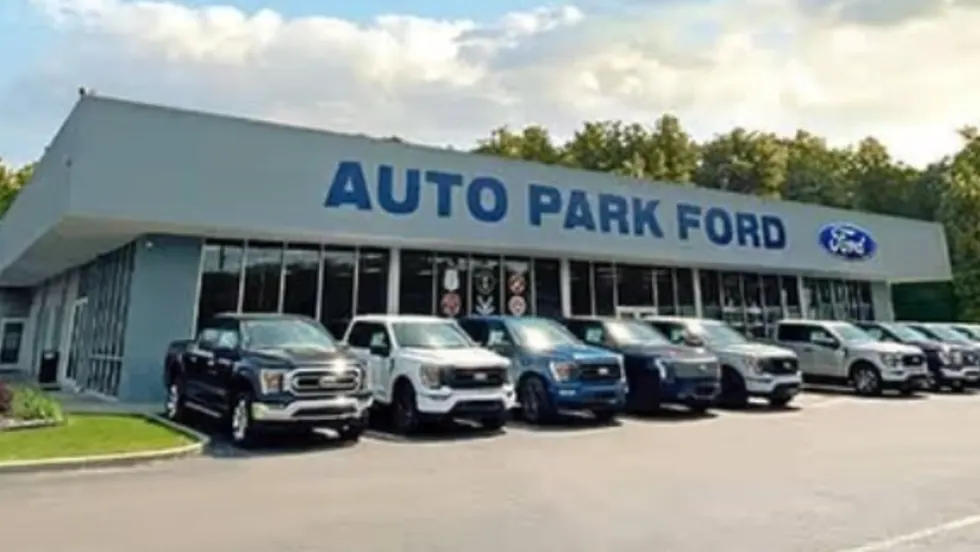
Indiana Dealership Changes Hands
A 30-year-old Ford dealership in Indiana has a new owner and will soon be undergoing renovations to meet manufacturer requirements.
Read More →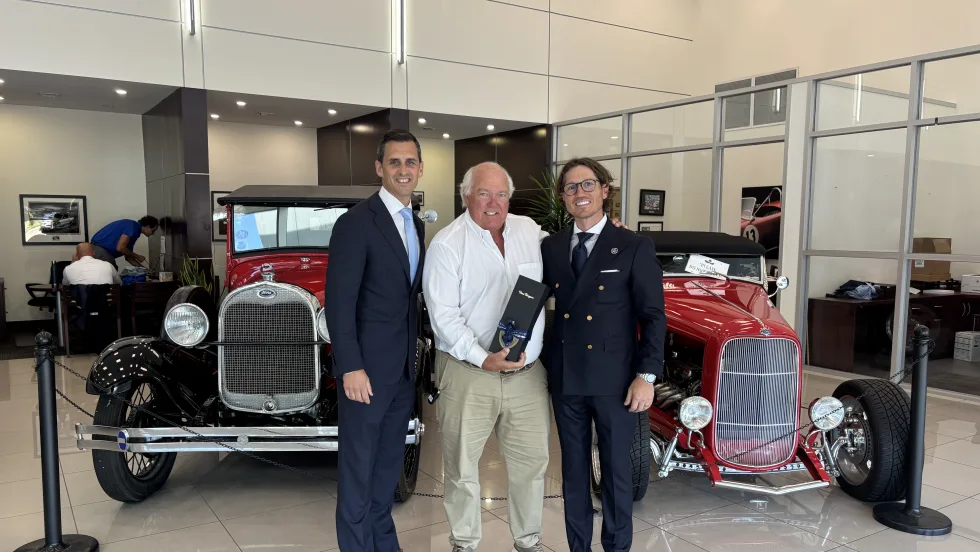
Texas Dealership No Longer in the Family
The Ford store, a longtime cornerstone of the Houston market, is now part of one of the fastest-growing U.S. auto groups.
Read More →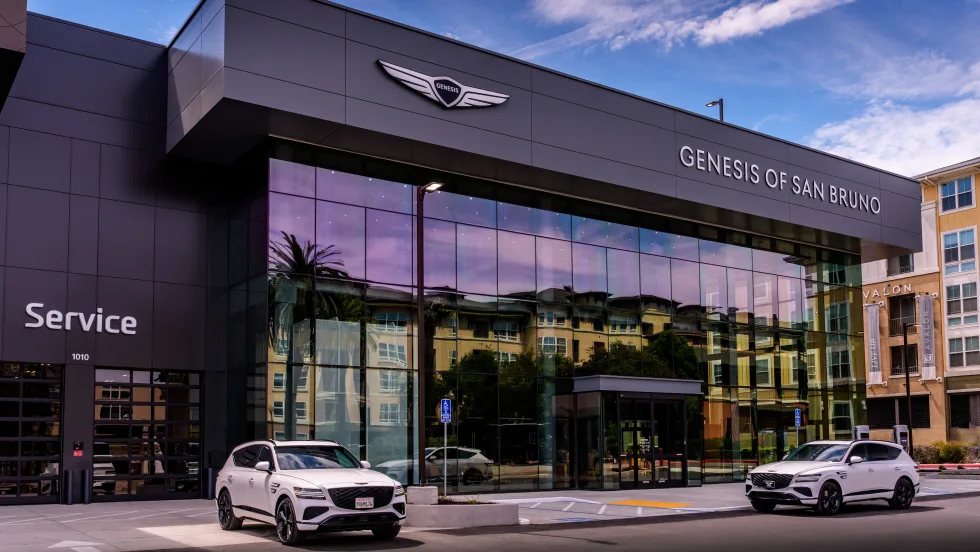
Genesis Grows California Presence
The Cardinale Automotive Group opened its third Genesis rooftop in the Golden State, Genesis of San Bruno, a stand-alone dealership serving the San Francisco Bay Area.
Read More →
August Auto Sales a Mixed Bag
An early forecast shows strong business despite consumer hurdles, and hybrids are a big piece of their affordability coping strategy.
Read More →
EV Market Humming Along
July sales show steady growth as the segment stabilizes from last year’s artificial surge following pullback of federal support.
Read More →
Auto Loan Delinquency Rates Stabilize
Auto loans are a main driver of nonmortgage consumer debt, but delinquency rates stabilized in the second quarter across all credit risk tiers.
Read More →