


AAA: Crashes Shake Faith in Driverless Vehicles

ORLANDO, Fla. — Following high-profile incidents involving autonomous vehicle technologies, a new report from AAA’s multiyear tracking study indicates that consumer trust in these vehicles has quickly eroded. Today, nearly three-quarters (73%) of American drivers report they would be too afraid to ride in a fully self-driving vehicle, up significantly from 63% in late 2017. Additionally, two-thirds (63%) of U.S. adults report they would actually feel less safe sharing the road with a self-driving vehicle while walking or riding a bicycle.
“Despite their potential to make our roads safer in the long run, consumers have high expectations for safety,” said Greg Brannon, AAA’s director of automotive engineering and industry relations. “Our results show that any incident involving an autonomous vehicle is likely to shake consumer trust, which is a critical component to the widespread acceptance of autonomous vehicles.”
Surprisingly, AAA’s latest survey found that millennials — the group that has been the quickest to embrace automated vehicle technologies — were the most impacted by these incidents. The percentage of millennial drivers too afraid to ride in a fully self-driving vehicle has jumped from 49% to 64% since late 2017, representing the largest increase of any generation surveyed.
“While autonomous vehicles are being tested, there’s always a chance that they will fail or encounter a situation that challenges even the most advanced system,” said Megan Foster, AAA’s director of federal affairs. “To ease fears, there must be safeguards in place to protect vehicle occupants and the motorists, bicyclists, and pedestrians with whom they share the road.”
More Industry
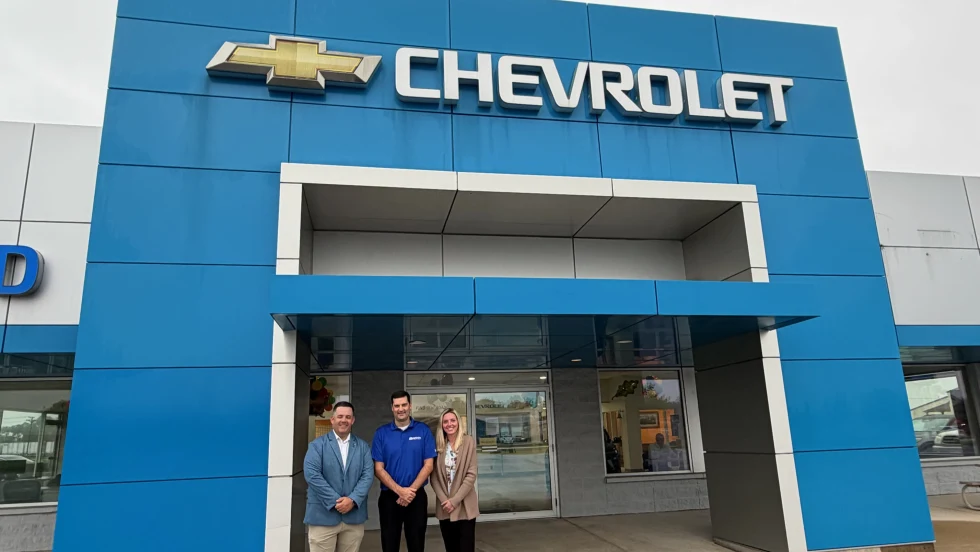
Badger State Dealership Gets New Owner
The longtime southern Wisconsin store moved from one area auto group to another, keeping the business in Dairyland.
Read More →
The Cycle of Negative Equity
Third-quarter data shows consumers still rolling over debt and stretching loan terms, raising their risk of remaining underwater.
Read More →
Charger Network Growth Slows
Despite a projected increase in public EV chargers in 2026, charging infrastructure remains a top concern for consumers as the gap between the most and least EV-friendly places remains substantial.
Read More →
Lenders, Consumers Take on More Auto Loan Risk
September records loosened credit access the most in over a decade as buyers took advantage of the conditions to afford trading, though loan applications fell.
Read More →
Next-Gen Hybrids in Sight
Dealerships can expect to see revamped hybrids from Honda next year as the company rolls out a new system and model lineup.
Read More →
Gem State Stores Change Hands
A larger auto group founded in the industry’s early years sold two franchises to a neighbor group that's on a growth spurt.
Read More →
Charging In Motion
Honda has been researching wireless in-motion charging for electric vehicles since 2025, and new technology developments have put it a step closer to a final product.
Read More →
Twin Cities Stores Sell
Minnesota-based Walser Automotive Group made what it called the most significant acquisition in its history with a three-rooftop deal in Minneapolis.
Read More →
U.S. Auto Sales Still Below Prepandemic Levels
Mobility Global industry observers don’t expect the market to return to the higher volumes that became routine before Covid but to stay well below its potential.
Read More →
The Powertrain Shift
Electric-vehicle owners are backpedaling, according to new data, with product availability driving many to shift back to gas-powered engines.
Read More →