


AIG, Ally, GM CEO Compensation Will Not Increase

WASHINGTON - Compensation packages for the chief executives of bailed-out firms American International Group, Ally Financial and General Motors will not increase in 2011, the Treasury Department said late on Friday.
The Obama administration's pay czar has reviewed the packages for the top 25 executives at the four remaining companies that have received exceptional government assistance and has found that overall, their cash compensation has decreased 18.2 percent, treasury said, reported Reuters.
To ensure that taxpayers were not rewarding executives at companies that received the most government help, the law required that their pay packages be subject to restrictions and approved by Patricia Geoghegan, who is special master for executive compensation for the Troubled Asset Relief Program.
The cash component of the pay packages for the CEOs of Ally, GM and AIG is frozen at 2010 levels, Treasury said in a statement. Chrysler's top 25 executives were also reviewed. But since the auto maker is under management control of Italy's Fiat SpA, its CEO is compensated by Fiat.
Geoghegan took issue with a few of the proposals. In a letter to Ally Financial, she said that in certain cases the proposed stock salary was not justified and must be reduced. The top paid executive at Ally, CEO Michael Carpenter, will make $9.5 million in 2011, according to the Treasury letter that did not identify Carpenter by name.
AIG's top earner, CEO Bob Benmosche, will make $10.5 million, according to Treasury's letter to the insurer. Geoghegan said that an AIG employee's cash salary should not exceed $500,000 other than in "exceptional cases for good cause."
The highest paid executive at GM, CEO Dan Akerson, will get $9 million this year, according to Treasury's letter to the automaker.
More Industry
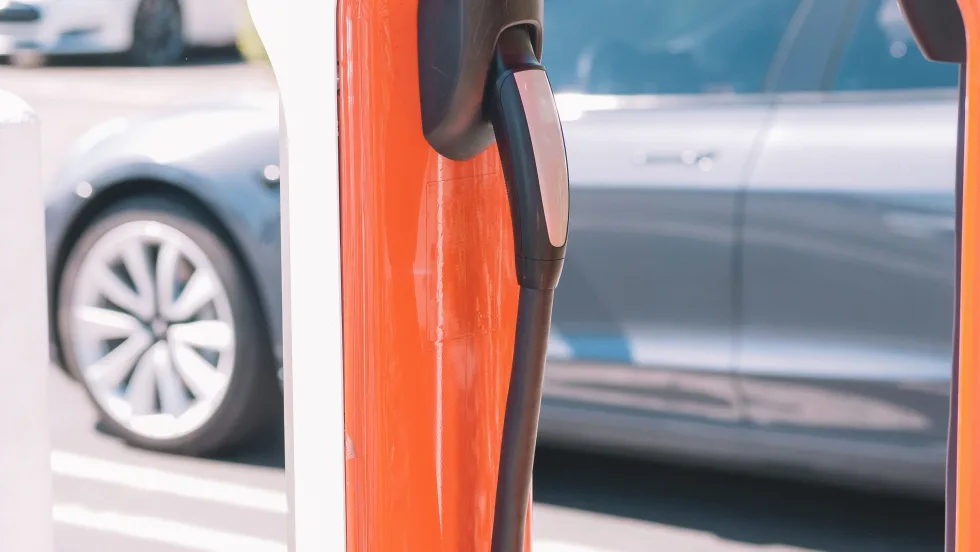
Charger Network Growth Slows
Despite a projected increase in public EV chargers in 2026, charging infrastructure remains a top concern for consumers as the gap between the most and least EV-friendly places remains substantial.
Read More →
Lenders, Consumers Take on More Auto Loan Risk
September records loosened credit access the most in over a decade as buyers took advantage of the conditions to afford trading, though loan applications fell.
Read More →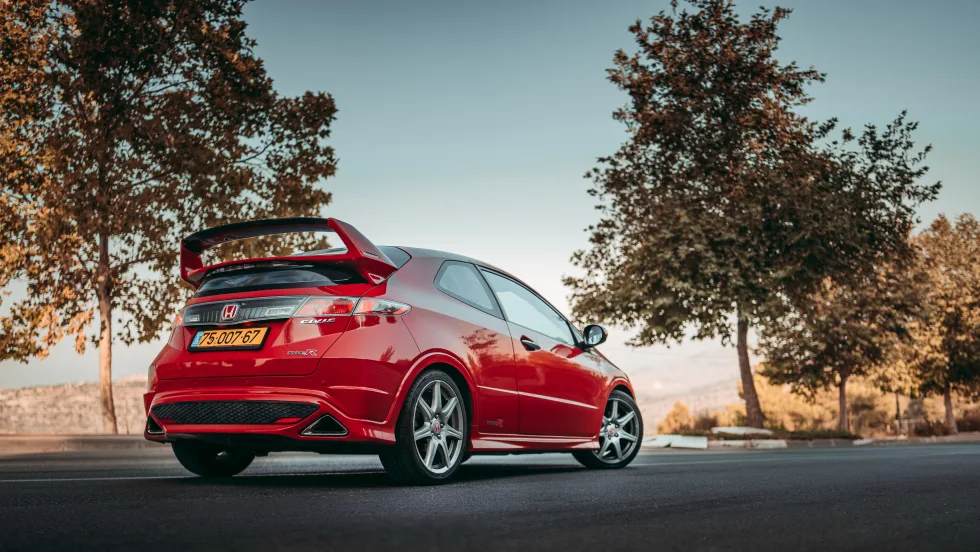
Next-Gen Hybrids in Sight
Dealerships can expect to see revamped hybrids from Honda next year as the company rolls out a new system and model lineup.
Read More →
Gem State Stores Change Hands
A larger auto group founded in the industry’s early years sold two franchises to a neighbor group that's on a growth spurt.
Read More →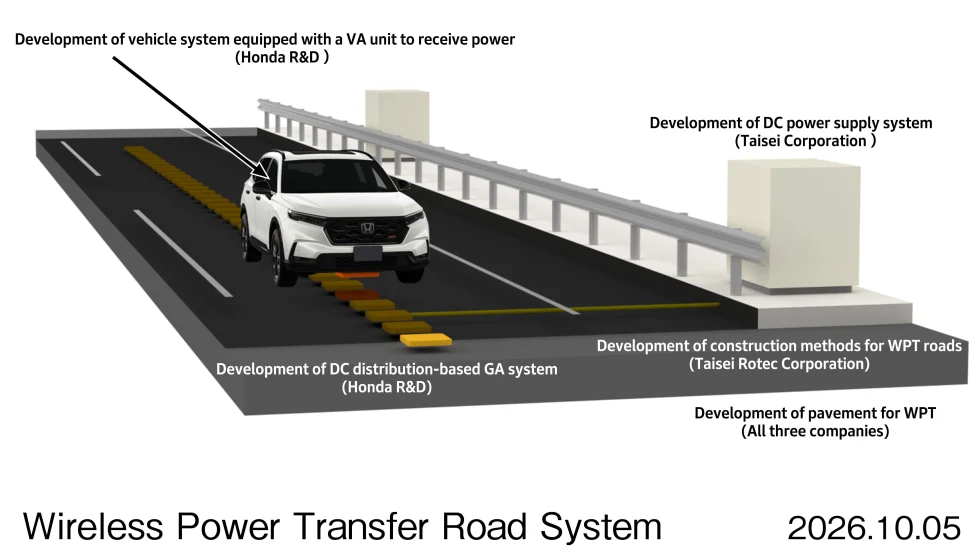
Charging In Motion
Honda has been researching wireless in-motion charging for electric vehicles since 2025, and new technology developments have put it a step closer to a final product.
Read More →
Twin Cities Stores Sell
Minnesota-based Walser Automotive Group made what it called the most significant acquisition in its history with a three-rooftop deal in Minneapolis.
Read More →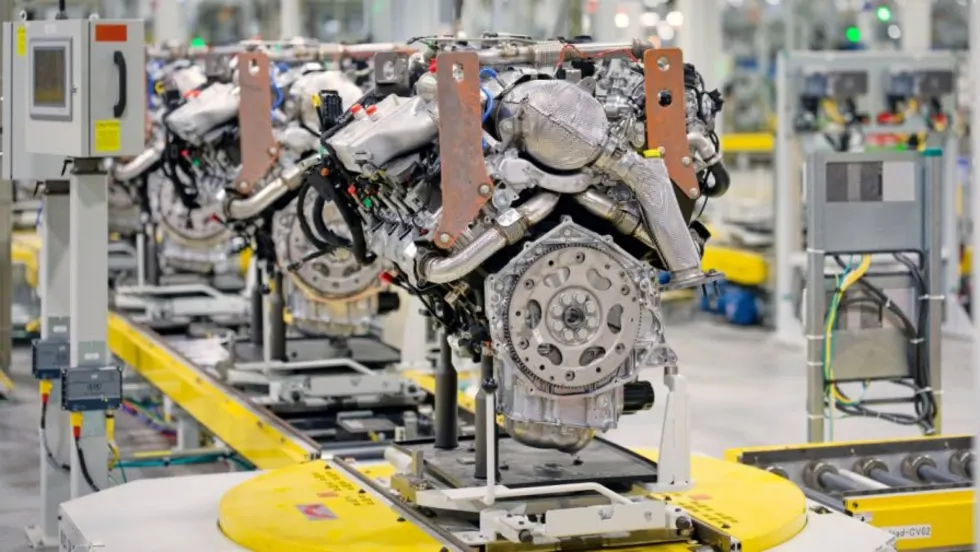
U.S. Auto Sales Still Below Prepandemic Levels
Mobility Global industry observers don’t expect the market to return to the higher volumes that became routine before Covid but to stay well below its potential.
Read More →
The Powertrain Shift
Electric-vehicle owners are backpedaling, according to new data, with product availability driving many to shift back to gas-powered engines.
Read More →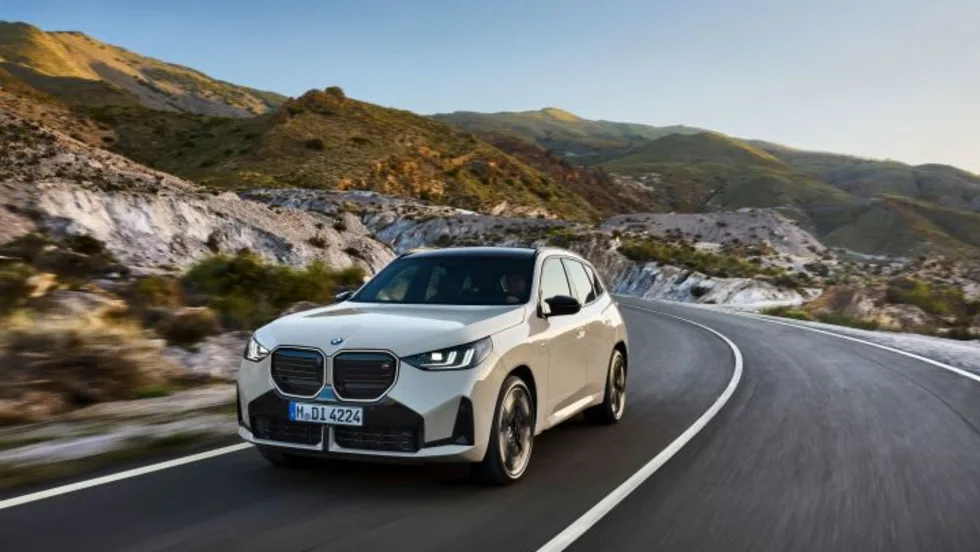
Achromatic Autos
The shades that dominate the U.S. car market don’t call attention to themselves, though grayscale may have plateaued after a 30-year upswing, research shows.
Read More →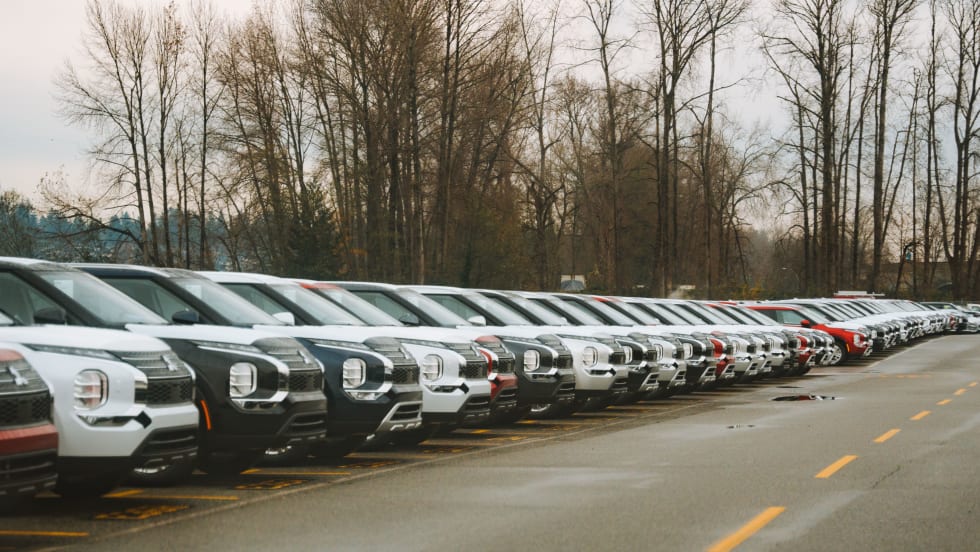
Used-Vehicle Affordability Worsens
Listing prices in August defied seasonal trends, rising above $27,000 for the second time this year.
Read More →