


American-Made EV Sales Soar in January
Tax credit change that requires EVs be assembled in North America cited for the surge.

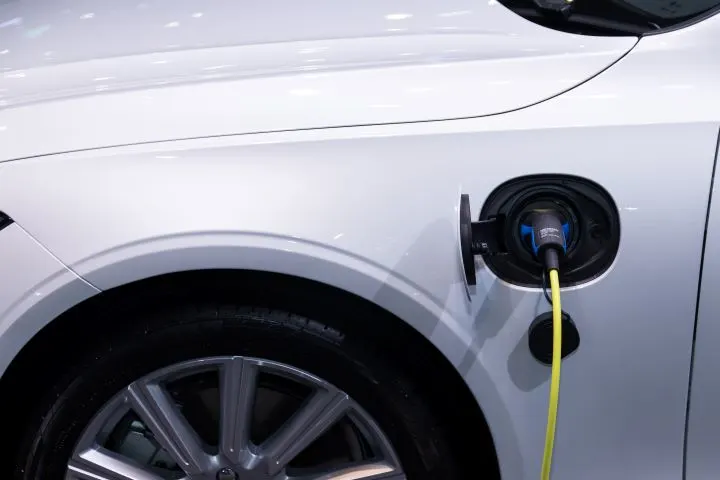
More customers will be charging an EV as jumped 7.1% in January.
Rathaphon Nanthapreecha
The Inflation Reduction Act’s revised electric vehicle standards are driving buyers to North American-made electric vehicles versus imported EVs from Hyundai and Kia, according to Experian new-vehicle registration data.
The act changed eligibility for the U.S. federal tax credit of up to $7,500 as of August. Now EVs must be assembled in North America to qualify.
Experian reported the top eight EVs in January were manufactured in North America. They include three Tesla models, two Ford EVs, and the Volkswagen ID4 crossover that entered production in Chattanooga last year.
The Hyundai Ioniq 5 crossover fell to ninth place from seventh, while Kia's Korean-made EV6 fell off the top 10 EVs in January after holding the eighth slot for all of 2022, according to Experian.
New EV registrations in January grew by almost 3%, from 4.3% to $7% of the U.S. light-vehicle market. Dealers sold 87,708 units compared to 50,338 a year earlier. By comparison, Experian showed new registrations for all light vehicles, regardless of fuel type, were at 1.24 million.
The tax credit revisions have slowed the growth of Korean imports from Hyundai Motor Group, which for much of 2022 ran second to Tesla.
Experian data also showed that in January:
Tesla saw its EV market share fall from 74% to 57%.
Chevrolet captured the second spot with an 8.5% share.
Ford took third with 7.7%.
Volkswagen came in fourth at 4.6% of the market.
Hyundai came in fifth with 3% market share.
On Jan. 1, the new incentive became available to Tesla and General Motors again. The automakers had lost the tax break because they had reached the manufacturer quota of 200,000 vehicles under the old rules.
The only unknown that remains with the act is the tax incentive rules for battery sourcing, which the government hasn’t yet finalized. The new rules could reduce the credit to $3,750 for some models made in North America.
Many automakers are moving more EV and battery production to North America, which could quickly reverse the trends and move Kia and Hyundai to the top 10 again. Hyundai Motor Group has already announced plans to open EV and battery plants in North America.
The EV price war also ramped up sales for Tesla, which slashed prices across its lineup in mid-January to boost sales as it scales up U.S. vehicle production at a new factory in Austin, Texas. Chevrolet also trimmed the sticker price of its Bolt EV and larger Bolt EUV.
Tesla doesn't break out EV sales by model, so new-vehicle registration numbers provide the most accurate sales by model estimates available.
The Tesla's Model Y crossover took the top spot with 28,833 new registrations, a 56% year-over-year increase. The Tesla Model 3 sedan took the second spot with 17,526 new registrations, a 29% increase. Together, the Model 3 and Model Y represented 53% of all EV registrations in January. The figure is a 64% year-over-year drop.
The Chevrolet Bolt models captured two spots in the top 10. The Bolt EUV took third place with 4,928 registrations and the Bolt EV took eighth place with 2,526.
Volkswagen's ID4 held the fourth spot with 4,049 registrations compared with 1,153 a year earlier, an increase of 251%.
Ford's Mustang Mach-E crossover slipped from third place for full-year 2022 to fifth in January. Still, the Mach-E's 3,286 registrations for the month were up 19% year-over-year. Ford had a second vehicle in the top 10 for the first time: The F-150 Lightning pickup took sixth place with 2,918 registrations.
Originally posted on Auto Dealer Today
More Product & Technology

Set Yourself Apart
Product providers can follow the lead of industry cohorts in the practice of leveraging their brands through private labeling, pumping new energy into their platforms to stand out from competitors.
Read More →
EVs Excel at Longevity
Research finds that after a certain mileage point, they outlast gas and diesel vehicles despite being driven more.
Read More →
Integrating AI Into Your Admin System
It’s important for finance-and insurance administrators to build the technology into their existing systems instead of bolting it on.
Read More →
Public EV Charging Improves
The infrastructure buildout in the U.S. is providing more availability and safety at a better cost, according to the latest EV experience study by JD Power.
Read More →
AI in the Dealership
A Cox Automotive poll shows most dealers use it, but only some have found the smartest ways to adapt the surging technological sensation.
Read More →
AAA Honors Service and Repair Facilities
Three automotive dealerships made AAA's Service Providers of Excellence and Best in Repair list this year.
Read More →
EFG Launches Product Admin Platform
The company says the offering is designed to empower administrators, service contract providers, and product marketers to expand automotive and power-sports capabilities.
Read More →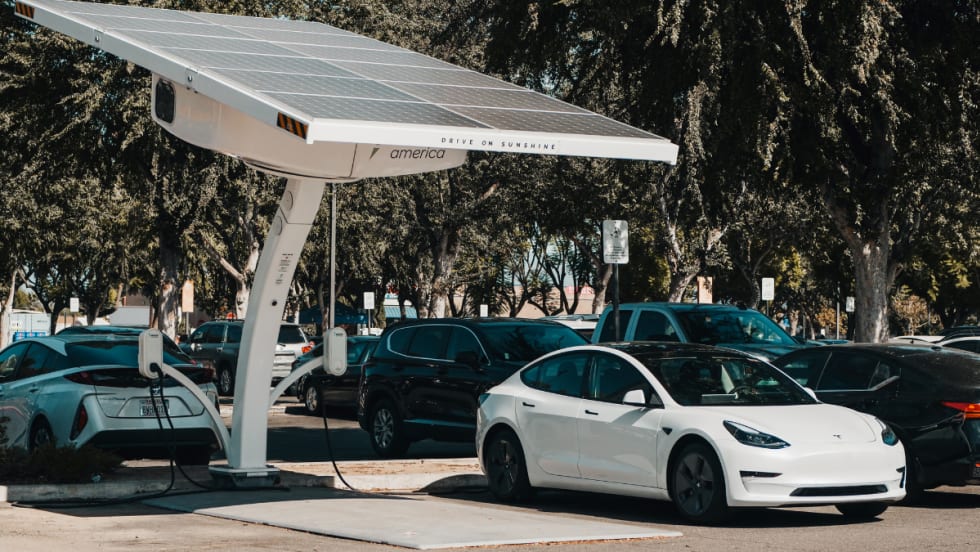
Optimized Charging Could Reduce Costs
According to an Alliance for Automotive Innovation analysis, optimized EV charging could cut costs for drivers and improve grid infrastructure - potential adoption incentives.
Read More →
From Inspection to Impact
Data, video and artificial intelligence are driving service performance today, when inspection performance is closely tied to key business outcomes.
Read More →
Car Karaoke Gets Official Platform
The in-vehicle karaoke and sing-along platform by Samsung arm is meant to add traveling enjoyment safely in technology that automakers can tailor to their specific needs.
Read More →