


Americans Far From Fully Confident About Fully Automated Cars
Survey finds slight upward shift in readiness, but consumer acceptance of the technology is essentially flat after accidents, data compromises.

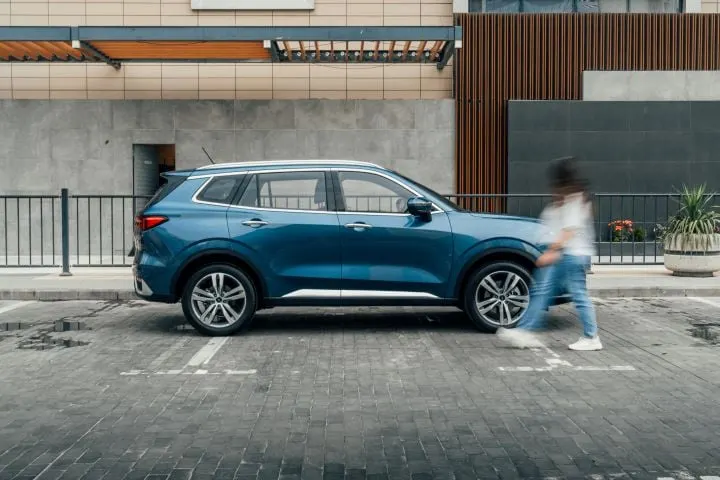
The vast majority of survey respondents, or 83%, said they’d require more reassurance of its safety via statistics before they’d try it.
Pexels/Esmihel Muhammad
Consumers, still wary of fully automated vehicles, are showing very slight positive movement in their view of the technology.
After consumer confidence in such vehicles fell two straight years, an annual J.D. Power survey shows a two-point increase in automated vehicle readiness to a still-low 39 on a 100-point scale.
The survey of 3,000 U.S. vehicle owners was conducted in August.
J.D. Power observed that the shift in direction, though, still reflects a general population with lackluster confidence in the technology, which has stirred wariness due to news of accidents that happened while vehicles were driving themselves, among other incidents.
The vast majority of survey respondents, or 83%, said they’d require more reassurance of its safety via statistics before they’d try it, while 86% said they’d require the ability to take control of an automated vehicle if circumstances called for it.
“Repeated and consistent reporting of safety findings over time—with independent oversight—will aid acceptance. Furthermore, addressing persistent concerns regarding insurance costs and data privacy also are paramount,” said Lisa Boor, J.D. Power senior manager of auto benchmarking and mobility development.
Physical safety isn’t consumers' only concern, either. Eighty percent of respondents said they were wary of the potential for hackers to interfere with an automated vehicle, and 64% said they worry their data wouldn’t be secure, so much so that 40% said the automaker’s data-protection policy would be a major consideration in their next vehicle purchase.
“Data security and transparency regarding data use are becoming increasingly important as a foundation for building trust in technology and connected digital solutions. Trust is built over time but can be quickly eroded,” said Bryan Reimer, a research scientist at the Massachusetts Institute of Technology’s Center for Transportation and Logistics in J.D. Power’s press release on the survey findings. “The news media's attention to a recent failure by one automotive manufacturer to safeguard drivers’ privacy is likely provoking anxiety among automotive consumers.”
In a related vehicle-automation finding, the survey found that for safety purposes, 39% of parents of teen drivers want active driver-assistance systems, or ADAS, in the vehicles the kids drive.
Originally posted on Auto Dealer Today
More Industry

Charger Network Growth Slows
Despite a projected increase in public EV chargers in 2026, charging infrastructure remains a top concern for consumers as the gap between the most and least EV-friendly places remains substantial.
Read More →
Lenders, Consumers Take on More Auto Loan Risk
September records loosened credit access the most in over a decade as buyers took advantage of the conditions to afford trading, though loan applications fell.
Read More →
Next-Gen Hybrids in Sight
Dealerships can expect to see revamped hybrids from Honda next year as the company rolls out a new system and model lineup.
Read More →
Gem State Stores Change Hands
A larger auto group founded in the industry’s early years sold two franchises to a neighbor group that's on a growth spurt.
Read More →
Charging In Motion
Honda has been researching wireless in-motion charging for electric vehicles since 2025, and new technology developments have put it a step closer to a final product.
Read More →
Twin Cities Stores Sell
Minnesota-based Walser Automotive Group made what it called the most significant acquisition in its history with a three-rooftop deal in Minneapolis.
Read More →
U.S. Auto Sales Still Below Prepandemic Levels
Mobility Global industry observers don’t expect the market to return to the higher volumes that became routine before Covid but to stay well below its potential.
Read More →
The Powertrain Shift
Electric-vehicle owners are backpedaling, according to new data, with product availability driving many to shift back to gas-powered engines.
Read More →
Achromatic Autos
The shades that dominate the U.S. car market don’t call attention to themselves, though grayscale may have plateaued after a 30-year upswing, research shows.
Read More →
Used-Vehicle Affordability Worsens
Listing prices in August defied seasonal trends, rising above $27,000 for the second time this year.
Read More →