


Dealership Profits Decline
While new and used retail sales stagnated, dealerships have been particularly supported by fixed operations and finance-and-insurance profits, according to a new report.


F&I income per retail unit rose nearly 5% to $1,769, and fixed-operations gross profit rose 5%, generating nearly 53% of total dealership gross profit.
Canva
Average dealership profit declined in the second quarter, but two key areas improved: fixed operations and finance-and-insurance.
According to a dealership performance benchmark report by the Presidio Group, net pretax profit for franchised dealerships dropped nearly 12% year-over-year. But the firm noted that last year’s boost in performance was driven by a tariff-related spike in demand.
“Looking beyond the year-over-year comparison reveals an industry continuing to adapt as new-vehicle margins fluctuate,” said group President George Karolis.
“While inflation continues to pressure expenses, technology innovation and operating process improvement should eventually offer dealers a new frontier for productivity gains.”
New-vehicle unit sales were relatively flat year-over-year, but used-vehicle sales fell over 2%, according to the report. Gross profits of new and used vehicles fell about 14% and 10%, respectively.
Meanwhile, F&I income per retail unit rose nearly 5% to $1,769, which Presidio said is its highest quarterly number since it began tracking. And fixed-operations gross profit rose 5%, generating nearly 53% of total dealership gross earnings.
Presidio pointed out an area of opportunity in expense management. Personnel expense increased about 2%, accounting for nearly 38% of gross profit.
“Dealers tell us in person and on our recent survey that they’re focused on reducing costs and investing in technology to improve productivity and the customer experience, but savings aren’t showing up in the numbers yet,” Karolis said.
“Personnel as a share of gross has ticked up, not down. That suggests the industry hasn’t translated its tech and productivity ambitions into actual cost savings yet.”
The report said that looking ahead dealerships’ profit trajectory will depend on sequential vehicle margin stabilization, sustained fixed-operations growth, and improved expense discipline.
Originally posted on Auto Dealer Today
More Industry

Achromatic Autos
The shades that dominate the U.S. car market don’t call attention to themselves, though grayscale may have plateaued after a 30-year upswing, research shows.
Read More →
Used-Vehicle Affordability Worsens
Listing prices in August defied seasonal trends, rising above $27,000 for the second time this year.
Read More →
First-Half Dealership Deals Up
Buy-sell activity shows that acquirers are looking for value and scale as many retailers seek to leave an increasingly competitive and complex market, Kerrigan Advisors reports.
Read More →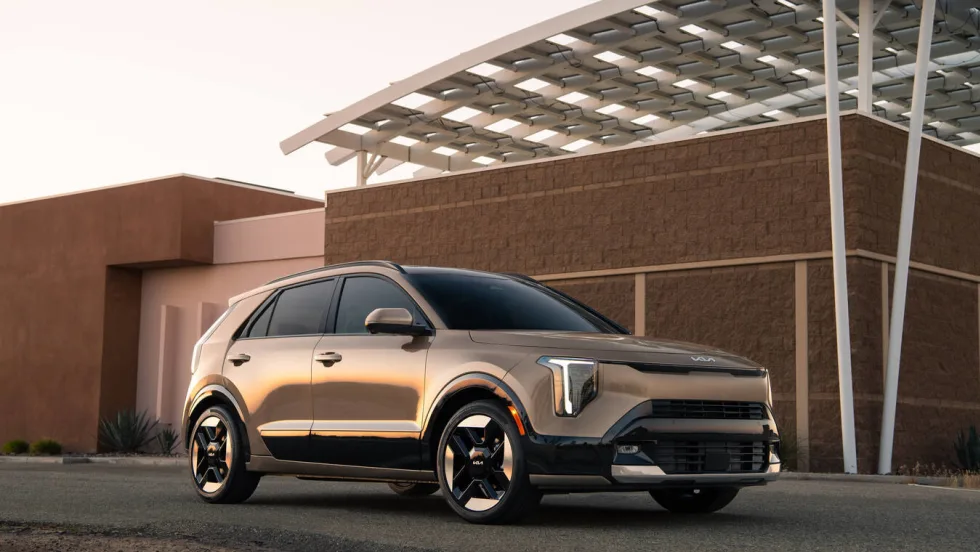
Kia Closes Out Summer With a Bang
Its U.S. subsidiary broke multiple records in August, in part due to a surge of demand for hybrids models.
Read More →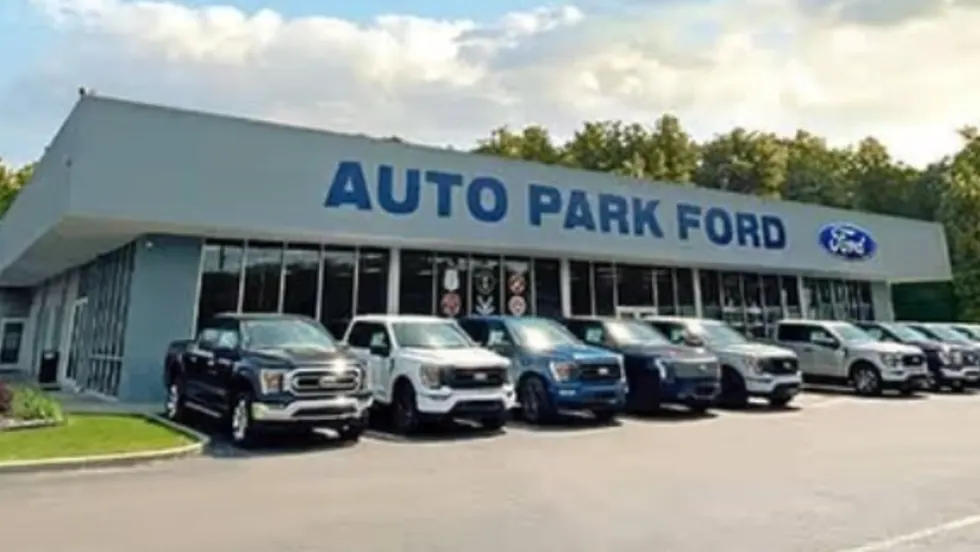
Indiana Dealership Changes Hands
A 30-year-old Ford dealership in Indiana has a new owner and will soon be undergoing renovations to meet manufacturer requirements.
Read More →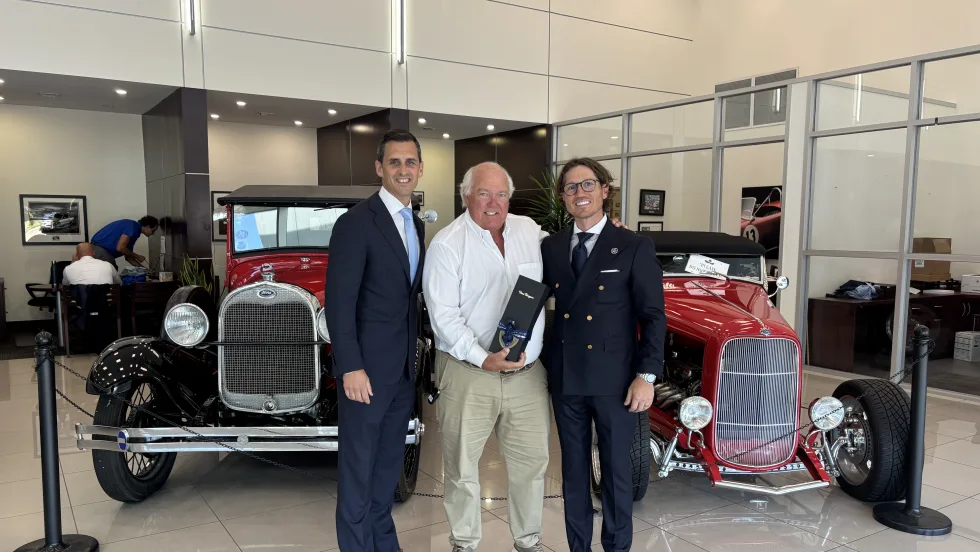
Texas Dealership No Longer in the Family
The Ford store, a longtime cornerstone of the Houston market, is now part of one of the fastest-growing U.S. auto groups.
Read More →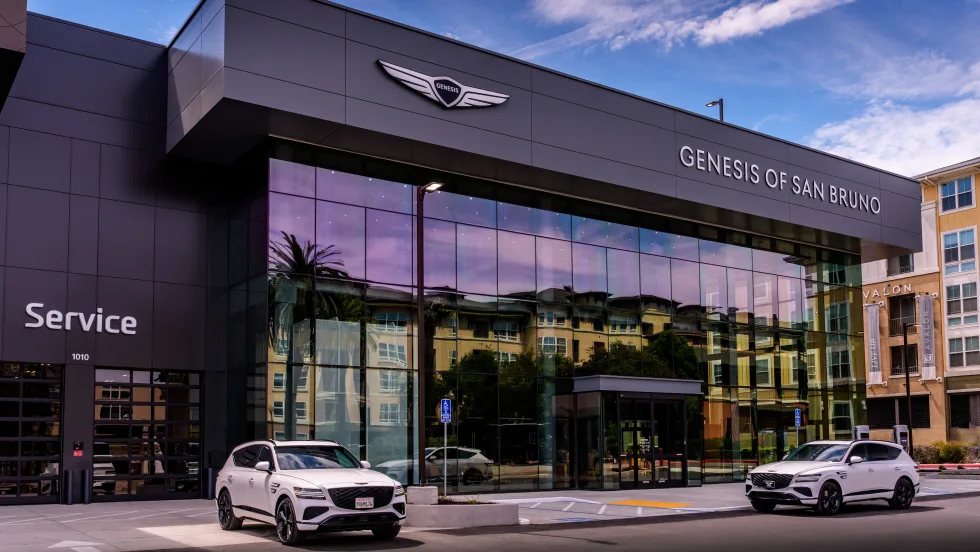
Genesis Grows California Presence
The Cardinale Automotive Group opened its third Genesis rooftop in the Golden State, Genesis of San Bruno, a stand-alone dealership serving the San Francisco Bay Area.
Read More →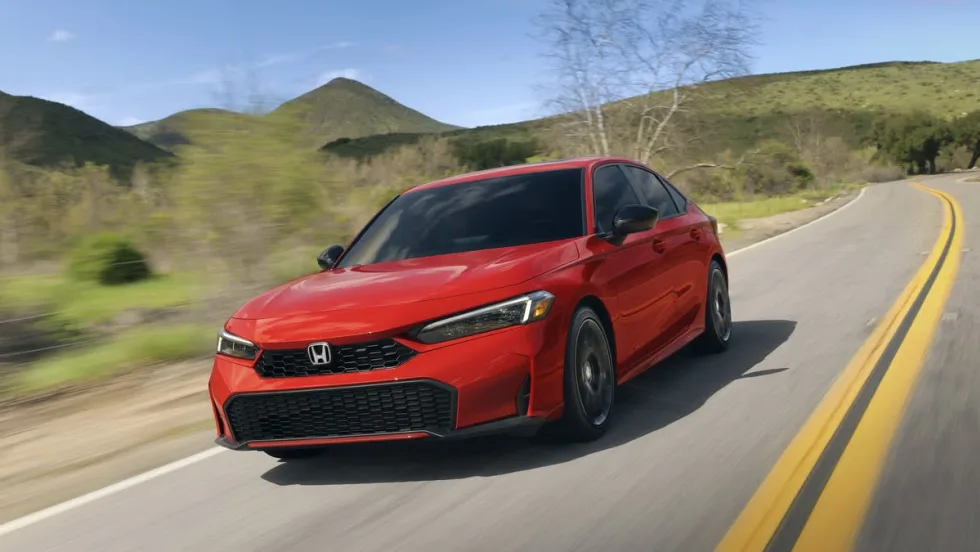
August Auto Sales a Mixed Bag
An early forecast shows strong business despite consumer hurdles, and hybrids are a big piece of their affordability coping strategy.
Read More →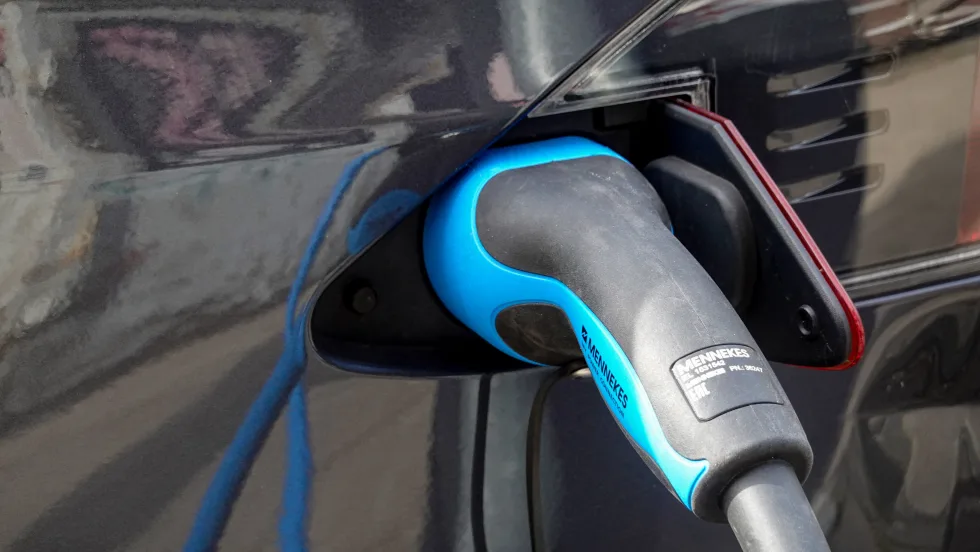
EV Market Humming Along
July sales show steady growth as the segment stabilizes from last year’s artificial surge following pullback of federal support.
Read More →
Auto Loan Delinquency Rates Stabilize
Auto loans are a main driver of nonmortgage consumer debt, but delinquency rates stabilized in the second quarter across all credit risk tiers.
Read More →