


Auto Czar Praises GM, Chrysler Progress

WASHINGTON - The Obama administration's top auto adviser today offered an optimistic outlook for taxpayers, anticipating the government would lose less than previously predicted on the $85 billion auto industry bailout, reported The Detroit News.
Weeks before General Motors Co. is set to launch a public offering, auto czar Ron Bloom strongly defended the government's rescue of the auto industry.
The bailout of GM, Chrysler Group LLC and auto finance companies will be "at a cost that will almost certainly be a small faction of even the most optimistic predictions," Bloom told an audience at George Washington University Law School today.
Earlier this month, the Treasury Department narrowed its predicted loss on the bailout to $17 billion, down from an initial projected loss of $44 billion in 2009. Bloom didn't specify how he much he thought taxpayers might lose.
He praised the efforts that GM and Chrysler have made to date.
"The talented and energetic directors and management teams at GM and Chrysler in full partnership with the UAW have already made a huge amount of progress," Bloom said.
Bloom, who is overseeing the government's 61 percent stake in GM and will help decide how much the government will offer for sale, didn't comment on the IPO.
Bloom, a former investment banker and adviser to the United Steelworkers union, offered an unstinting defense of the government's auto bailout, saying the administration "had accomplished everything we set out to do."
He said GM and Chrysler - and their unions - shared in the blame for the automakers' near collapse in 2008.
"The companies and their unions cannot be absolved of all responsibility for their part in this great American tragedy," Bloom said. "The companies allowed themselves to be lulled into a false sense of security and the unions went along for the ride," he said.
Bloom said both sides weren't facing the problems in the runup to the companies' requests for bailouts.
"Neither party was willing to face the seismic economic shifts that were occurring all around them," Bloom said.
But he said what finally turned around Detroit automakers was the threat of collapse.
"As Samuel Johnson famously said 'Nothing focuses the mind like an imminent hanging.' And GM and Chrysler could clearly see the noose," Bloom said.
Bloom noted the auto rescue's intense unpopularity - "everybody still thinks it was a bad idea" - but said they had saved GM and Chrysler because it was right.
"Over time - knock wood - people will appreciate that GM and Chrysler have in fact fundamentally changed and we've saved a million jobs," Bloom said. "This will be recorded as an important moment when the government did the right thing."
He also explained why he thought Ford Motor Co. didn't need a federal bailout. He noted that Ford had borrowed $23.4 billion in late 2006 to guard against a rainy day - a move he partially attributed to good luck.
He said if GM and Chrysler had failed it would have forced Ford into bankruptcy because of the collapse of the supply base that all three companies use.
He said Ford is still doing better than its domestic rivals.
"(Ford) is a little bit further along. They got the memo a little sooner. They did have some luck. They've had a huge amount of hard work and they did it in the best way imaginable benefitting from what we did," Bloom said, calling Ford "a spectacular company."
In the end, the administration didn't just save two auto companies - but a whole sector of the economy.
"The reality is we saved the automobile industry - and everbody who's connected to that industry benefitted," Bloom said.
More Industry
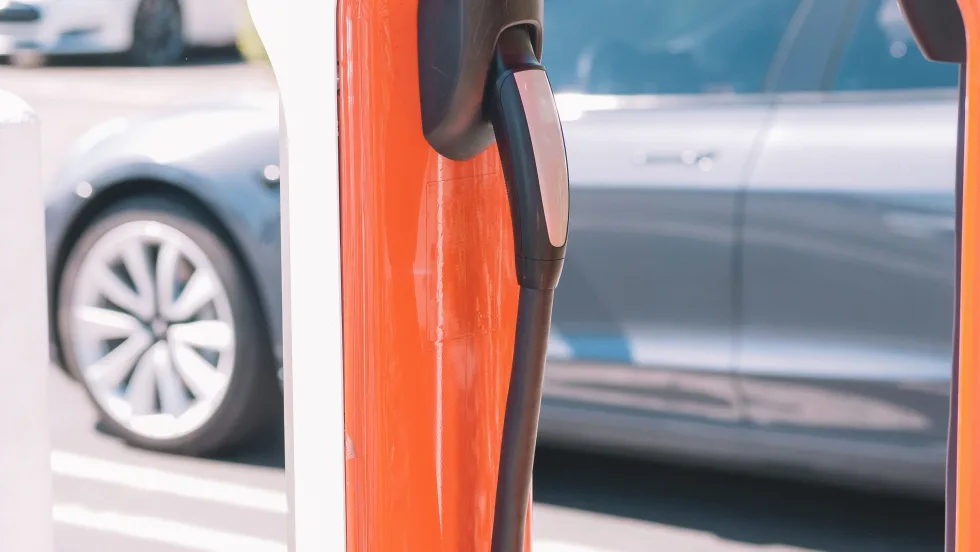
Charger Network Growth Slows
Despite a projected increase in public EV chargers in 2026, charging infrastructure remains a top concern for consumers as the gap between the most and least EV-friendly places remains substantial.
Read More →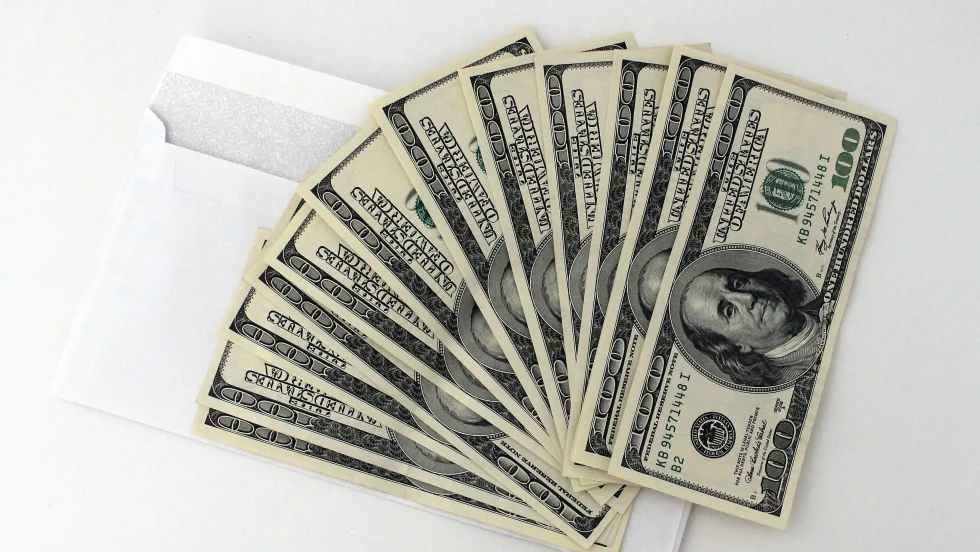
Lenders, Consumers Take on More Auto Loan Risk
September records loosened credit access the most in over a decade as buyers took advantage of the conditions to afford trading, though loan applications fell.
Read More →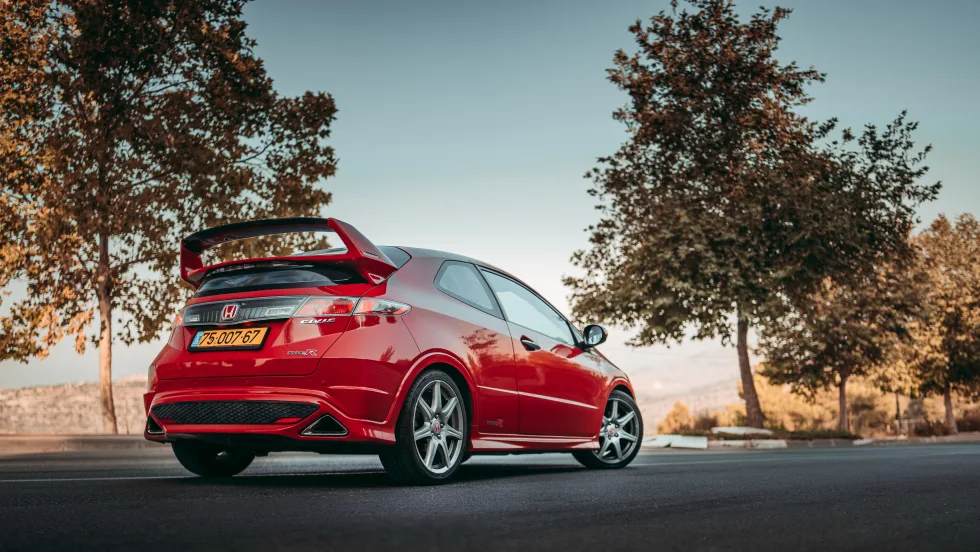
Next-Gen Hybrids in Sight
Dealerships can expect to see revamped hybrids from Honda next year as the company rolls out a new system and model lineup.
Read More →
Gem State Stores Change Hands
A larger auto group founded in the industry’s early years sold two franchises to a neighbor group that's on a growth spurt.
Read More →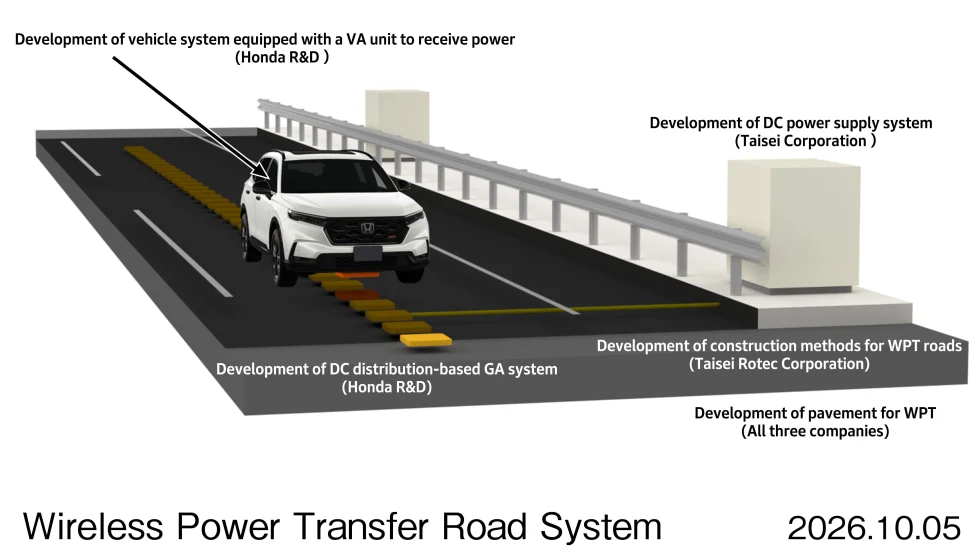
Charging In Motion
Honda has been researching wireless in-motion charging for electric vehicles since 2025, and new technology developments have put it a step closer to a final product.
Read More →
Twin Cities Stores Sell
Minnesota-based Walser Automotive Group made what it called the most significant acquisition in its history with a three-rooftop deal in Minneapolis.
Read More →
U.S. Auto Sales Still Below Prepandemic Levels
Mobility Global industry observers don’t expect the market to return to the higher volumes that became routine before Covid but to stay well below its potential.
Read More →
The Powertrain Shift
Electric-vehicle owners are backpedaling, according to new data, with product availability driving many to shift back to gas-powered engines.
Read More →
Achromatic Autos
The shades that dominate the U.S. car market don’t call attention to themselves, though grayscale may have plateaued after a 30-year upswing, research shows.
Read More →
Used-Vehicle Affordability Worsens
Listing prices in August defied seasonal trends, rising above $27,000 for the second time this year.
Read More →