


Auto-sales Optimism Fades

DETROIT—Just a few months ago, optimism was rising in the auto industry that new-vehicle sales would make a strong rebound this year after falling to historic lows in 2009, reported The Wall Street Journal.
New data, however, suggest the recovery isn't as strong as it appeared earlier in the year. The increase in auto sales in the first five months of 2010 has been driven by higher sales to rental-car companies and other commercial fleets—not sales to consumers, who are now showing signs of more pessimism about the economy, as well as a halting interest in buying new cars.
"The industry is on the mend but there are reasons for caution," said John Hoffecker, a managing director at AlixPartners LLP, a consulting firm that recently surveyed consumers as part of its annual study of auto-industry trends.
"We're still waiting for consumers to come back into dealerships," Hoffecker said in an interview.
In the year's first five months, auto sales rose 17 percent from a year earlier to 4.6 million cars and light trucks, according to Autodata Corp. But the rise has been fueled by commercial customers that had all but stopped buying last year during the recession and are now finally restocking their fleets. Fleet sales are up 32 percent, while sales to individual customers at dealerships have increased just 13 percent.
More importantly, retail sales remain at low levels compared with historical standards. Since 1992, retail customers have reliably accounted for sales of at least 10 million cars and light trucks a year in the U.S. That string ended last year amid the recession. According to analysis by AlixPartners, this year's sales may not surpass 10 million, either.
In the first five months of the year, the annualized pace of retail auto sales peaked at 9.5 million cars and trucks in March, when consumer purchases were spurred by heavy incentives offered by Toyota Motor Corp., according to AlixPartners' new auto-industry study. The retail-sales pace in May was just 8.9 million vehicles.
Concern about weak retail sales hasn't escaped auto makers. George Pipas, the top sales analyst at Ford Motor Co., said he is seeing evidence that consumers are deferring decisions on major purchases, in large part because home values and income growth haven't rebounded.
"These are two things that really have to happen before you will see auto sales move up more significantly," Pipas said.
Earlier in the year, the recovery in auto sales appeared to be stronger. The role of fleet sales in the rise wasn't clear at the time because some auto makers don't break out their fleet and retail totals, making industry figures hard to come by.
Then in March, sales rose 24 percent and hit an annualized rate of 11.8 million—the highest since September 2008, except for when the government's cash-for-clunkers program caused a spike last August.
The strong response to Toyota's incentives seemed to indicate consumers were again willing to spring for new rides. Instead, the incentives now look like a one-time boost whose effect has now faded, said AlixPartners' Hoffecker. "We felt better in the January-February time frame," he said.
According to the AlixPartners study, only about 6 percent of consumers say they expect to buy a new car during the next six months. That is below the historical average of 7 percent, and not high enough to drive a robust rebound.
While vehicle sales aren't rising as fast as the industry would like, Hoffecker said auto makers' finances are nevertheless strong. The deep restructurings by General Motors Co., Chrysler Group LLC and others have enabled them to earn money even at low levels of new-car sales.
"From a profit standpoint, the industry is still in good shape," he said. "But we need the broader economy to kick in before it's a full green light."
More Industry
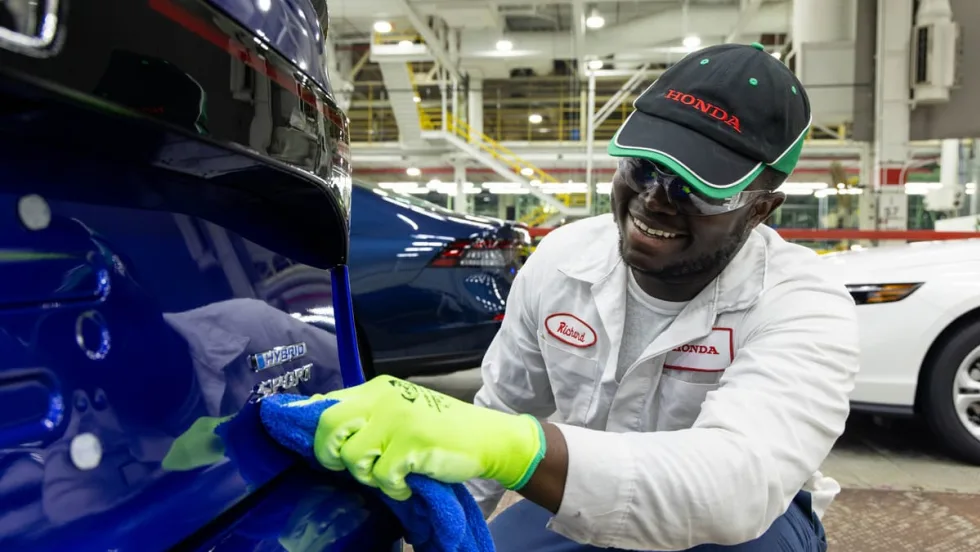
Honda Embraces Hybrid Fever
The automaker plans a new Ohio factory, along with investments in existing U.S. and Canadian plants, to significantly boost hybrid production here.
Read More →
Dealerships Must Show Up Where It Matters
How car buyers find your dealership has fundamentally changed. New evidence reveals the importance of your presence on social media, Google search, and large language models.
Read More →
CPO Sales Could Take Off in the Right Conditions
A recent Cox Automotive consumer survey reveals the size of an undertapped market for the vehicle segment given affordability pressures.
Read More →
Global Consumer Trends Diverge
Price remains a top consideration for U.S. car buyers, and they are the most brand-loyal consumers to established automakers, according to a new survey.
Read More →
Badger State Dealership Gets New Owner
The longtime southern Wisconsin store moved from one area auto group to another, keeping the business in Dairyland.
Read More →
The Cycle of Negative Equity
Third-quarter data shows consumers still rolling over debt and stretching loan terms, raising their risk of remaining underwater.
Read More →
Charger Network Growth Slows
Despite a projected increase in public EV chargers in 2026, charging infrastructure remains a top concern for consumers as the gap between the most and least EV-friendly places remains substantial.
Read More →
Lenders, Consumers Take on More Auto Loan Risk
September records loosened credit access the most in over a decade as buyers took advantage of the conditions to afford trading, though loan applications fell.
Read More →
Next-Gen Hybrids in Sight
Dealerships can expect to see revamped hybrids from Honda next year as the company rolls out a new system and model lineup.
Read More →
Gem State Stores Change Hands
A larger auto group founded in the industry’s early years sold two franchises to a neighbor group that's on a growth spurt.
Read More →