


Automakers Debut Blind-Spot Detection Tech
The new driver-safety technology by Hyundai and Kia, Vision Pulse, maintains over 99% detection accuracy in adverse weather or nighttime conditions, the companies say.

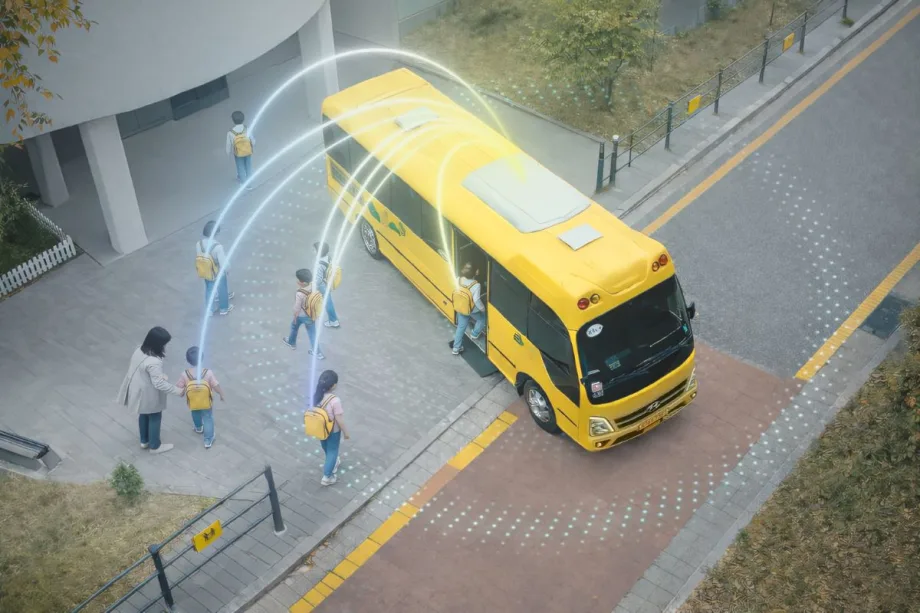
Vision Pulse uses ultra-wide band modules that measure the time it takes for signals from other UWB modules to travel between them and calculate their exact positions.
Hyundai
Hyundai and Kia announced a new driver-safety technology, Vision Pulse, that can detect precise object positions in real time.
Vision Pulse uses ultra-wide band, or UWB, modules that communicate via radio waves from other UWB modules. The system measures the time it takes for those radio waves or signals to travel between the modules and uses that time to calculate their exact positions. It then issues an alert when a potential collision is detected.
According to Hyundai, the system has a 10-centimeter margin of error across a 100-meter radius, even in complex urban intersections. And it maintains over 99% detection accuracy in adverse weather or nighttime conditions with communication speeds of one to five milliseconds.
Vehicles equipped with Hyundai and Kia’s Digital Key 2 already include UWB modules, but the technology can be integrated into other vehicles through additional UWB modules. The digital key feature allows people to access and drive their vehicles via compatible mobile devices.
The automakers said they anticipate extending the technology beyond driver assistance to include industrial mobility and disaster-response applications. Trials have already started at the Kia PBV Conversion Center in Hwaseong, South Korea, to help prevent collisions between forklifts and workers. And trials are set to begin at the Busan Port Authority to assess capabilities between workers and mobile machinery.
More Product & Technology

Set Yourself Apart
Product providers can follow the lead of industry cohorts in the practice of leveraging their brands through private labeling, pumping new energy into their platforms to stand out from competitors.
Read More →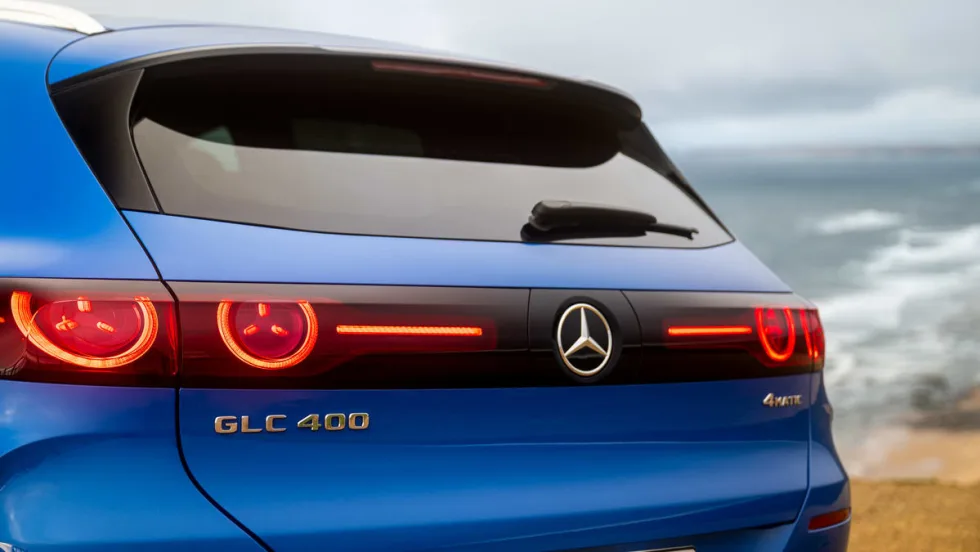
EVs Excel at Longevity
Research finds that after a certain mileage point, they outlast gas and diesel vehicles despite being driven more.
Read More →
Integrating AI Into Your Admin System
It’s important for finance-and insurance administrators to build the technology into their existing systems instead of bolting it on.
Read More →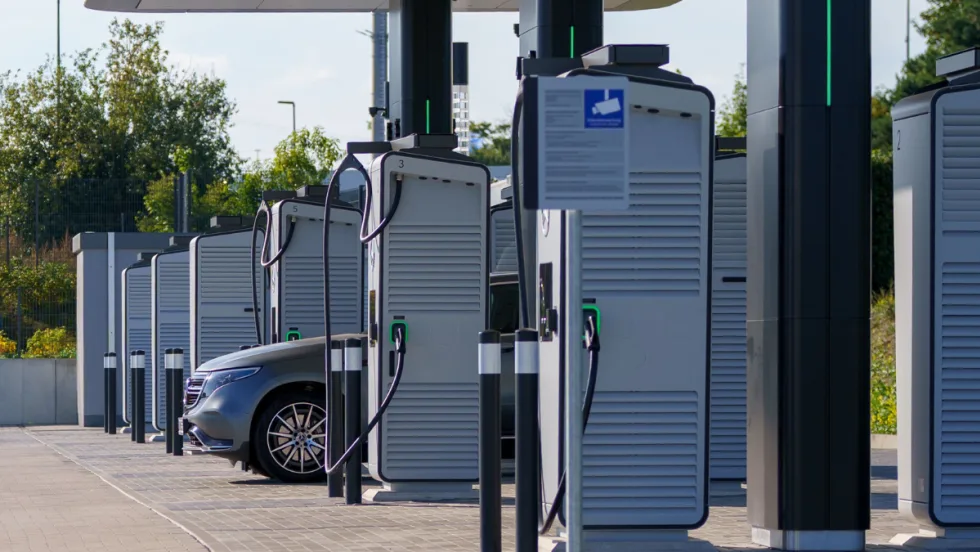
Public EV Charging Improves
The infrastructure buildout in the U.S. is providing more availability and safety at a better cost, according to the latest EV experience study by JD Power.
Read More →
AI in the Dealership
A Cox Automotive poll shows most dealers use it, but only some have found the smartest ways to adapt the surging technological sensation.
Read More →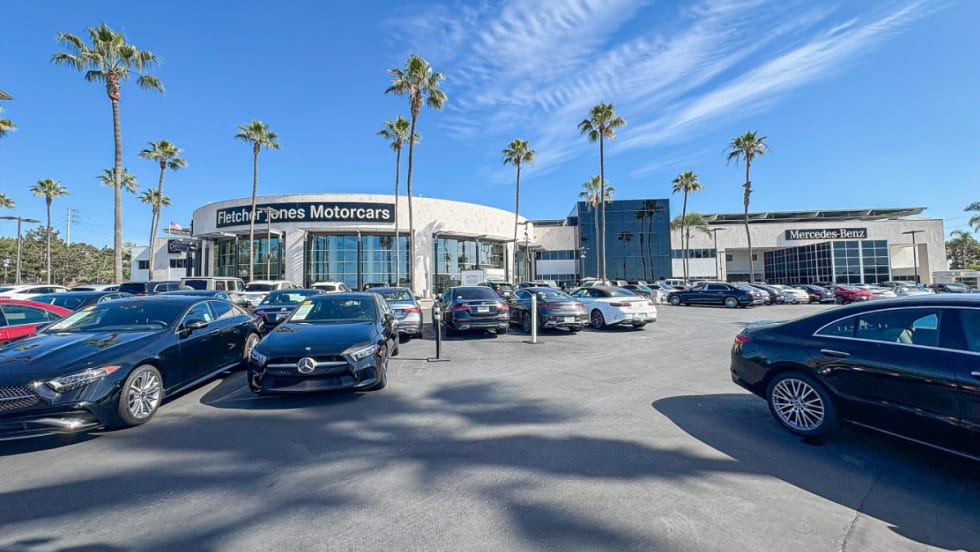
AAA Honors Service and Repair Facilities
Three automotive dealerships made AAA's Service Providers of Excellence and Best in Repair list this year.
Read More →
EFG Launches Product Admin Platform
The company says the offering is designed to empower administrators, service contract providers, and product marketers to expand automotive and power-sports capabilities.
Read More →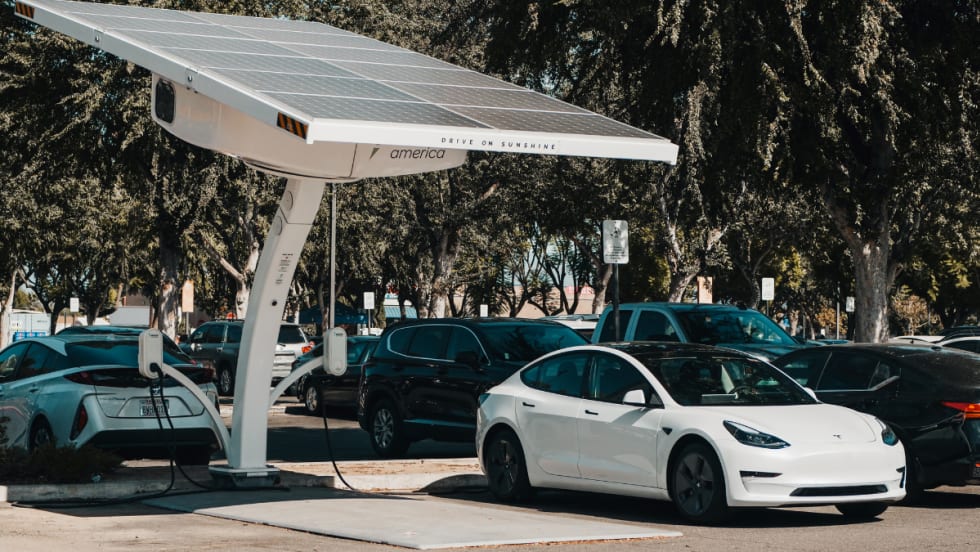
Optimized Charging Could Reduce Costs
According to an Alliance for Automotive Innovation analysis, optimized EV charging could cut costs for drivers and improve grid infrastructure - potential adoption incentives.
Read More →
From Inspection to Impact
Data, video and artificial intelligence are driving service performance today, when inspection performance is closely tied to key business outcomes.
Read More →
Car Karaoke Gets Official Platform
The in-vehicle karaoke and sing-along platform by Samsung arm is meant to add traveling enjoyment safely in technology that automakers can tailor to their specific needs.
Read More →