


Biden Administration Defers Credit Awards for EVs
Sources cite EPA concerns over finalizing the intricacies of the EV portion of ruling by the June 14 deadline.

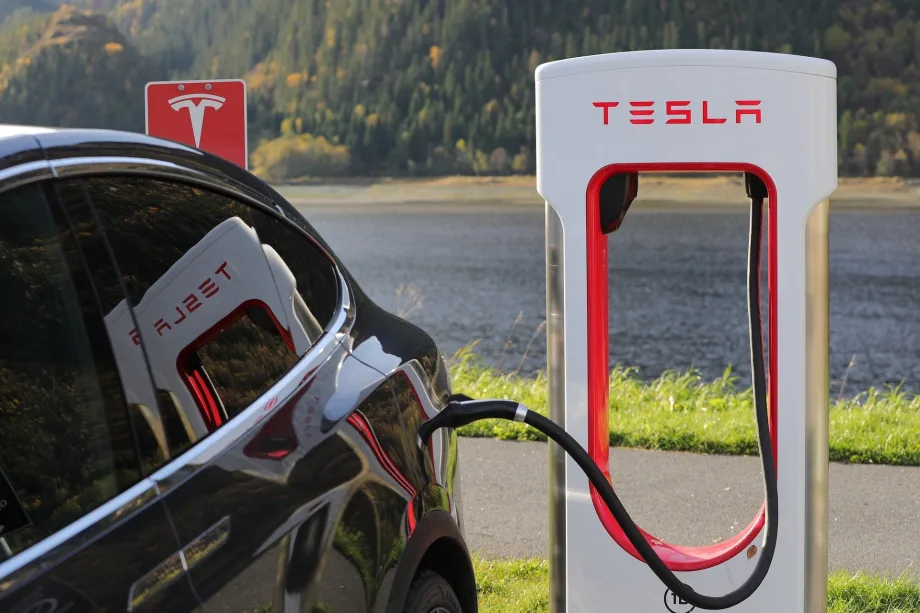
Tesla, Rivian Automotive Inc., and the Zero Emissions Transportation Association argue the proposed plan aligns with President Biden's objectives of decarbonizing the transportation sector.
Image by Blomst from Pixabay
The Biden Administration has shelved a proposal that would have provided automakers, including Tesla Inc., with credits for utilizing renewable natural gas to fuel electric vehicles.
According to insiders familiar with the matter, the administration omitted the plan from the draft regulation outlining biofuel-blending quotas for the next three years. The individuals spoke to Bloomberg anonymously, as the decision has not been made public.
Under the proposed initiative, automakers would have been incorporated into the existing 18-year-old Renewable Fuel Standard, which mandates refiners to blend biofuels into gasoline and diesel. EV makers would have been eligible to receive new, tradable credits by using electricity derived from natural gas sourced from landfills or farms.
Maria Michalos, spokesperson for the Environmental Protection Agency, declined to comment on the matter for the Bloomberg article, citing ongoing interagency review of the proposed rule. The draft regulation could still undergo modifications before its formal release, according to the EPA.
The sources noted EPA officials are concerned with completing the EV initiative by the court-ordered deadline of June 14. As a result, they reportedly informed stakeholders they plan to pursue the EV measure separately later this year.
Tesla, Rivian, and the Zero Emissions Transportation Association have lobbied the EPA in support of the plan. They say it aligns with Biden's objectives of decarbonizing the transportation sector. However, the proposal has encountered opposition from refiners, renewable fuel producers, and some lawmakers who assert it violates federal law.
The EV initiative is aimed to provide additional federal support for zero-emission vehicles, supplementing the expanded tax credits introduced in last year's climate legislation and the stringent proposed limits on tailpipe emissions.
The support would have come as tradeable credits known as "renewable identification numbers," or RINs, which refiners use to show compliance with annual biofuel-blending quotas. While the credits are typically generated by gallon of biofuel, the EPA's plan would have allowed automakers to acquire RINs when using electricity from specific renewable sources to power EVs.
Critics of the proposal, including owners of truck stops and charging stations, argue granting RINs to automakers would further stimulate EV production without adequately incentivizing investment in charging infrastructure and biogas-to-electricity projects. Fuel refiners also contend the EPA lacks the authority to establish a new biofuel credit linked to electricity.
Originally posted on Auto Dealer Today
More Industry

Charger Network Growth Slows
Despite a projected increase in public EV chargers in 2026, charging infrastructure remains a top concern for consumers as the gap between the most and least EV-friendly places remains substantial.
Read More →
Lenders, Consumers Take on More Auto Loan Risk
September records loosened credit access the most in over a decade as buyers took advantage of the conditions to afford trading, though loan applications fell.
Read More →
Next-Gen Hybrids in Sight
Dealerships can expect to see revamped hybrids from Honda next year as the company rolls out a new system and model lineup.
Read More →
Gem State Stores Change Hands
A larger auto group founded in the industry’s early years sold two franchises to a neighbor group that's on a growth spurt.
Read More →
Charging In Motion
Honda has been researching wireless in-motion charging for electric vehicles since 2025, and new technology developments have put it a step closer to a final product.
Read More →
Twin Cities Stores Sell
Minnesota-based Walser Automotive Group made what it called the most significant acquisition in its history with a three-rooftop deal in Minneapolis.
Read More →
U.S. Auto Sales Still Below Prepandemic Levels
Mobility Global industry observers don’t expect the market to return to the higher volumes that became routine before Covid but to stay well below its potential.
Read More →
The Powertrain Shift
Electric-vehicle owners are backpedaling, according to new data, with product availability driving many to shift back to gas-powered engines.
Read More →
Achromatic Autos
The shades that dominate the U.S. car market don’t call attention to themselves, though grayscale may have plateaued after a 30-year upswing, research shows.
Read More →
Used-Vehicle Affordability Worsens
Listing prices in August defied seasonal trends, rising above $27,000 for the second time this year.
Read More →