


Bill Ford: Ford May Lose Some Investors to GM IPO

DETROIT - Ford Motor Co. Executive Chairman Bill Ford said some investors may reduce their holdings in his company to buy shares in General Motors Co.’s initial public offering and spread their risk across the automobile industry, reported Bloomberg.
“Some money will be rebalanced into GM, but look: our company and GM ultimately are going to succeed or not based upon performance,” Ford, 53, told reporters today at an event in suburban Detroit. “It doesn’t make any difference to me where our shares are or their shares are on any given day.”
GM, 61 percent owned by the U.S. Treasury, this week filed documents for a share sale that would cut the government’s stake and mark the automaker’s return to public markets a year after filing for bankruptcy. The offering may be as large as $16 billion, people familiar with the plans have said.
Ford shares have gained 19 percent this year through Thursday.
Ford is talking to the UAW in advance of 2011 negotiations, the chairman said today. While the automaker is “largely competitive” with GM and Chrysler Group LLC on labor costs, there are some areas where the companies aren’t at parity, said Ford, the great-grandson of the company’s founder.
UAW members at Ford ratified contract changes in March 2009 that the automaker said would save $500 million annually, including giving up annual bonuses and cost-of-living increases and accepting reductions in layoff benefits. GM and Chrysler, before the bankruptcies of their predecessors, won a freeze on pay for entry-level workers and a no-strike accord until 2015.
“I’m confident that as we go through negotiations we’ll work it out,” Ford told the audience at the event. “Any negotiation is a big deal, but I feel very good about our relationship with the UAW.”
Ford avoided bankruptcy by borrowing $23 billion in late 2006, before credit markets froze. CEO Alan Mulally has said the borrowing left the company with obligations that now put it at a competitive disadvantage.
Ford’s earnings and cash flow have kept the company ahead of schedule repaying debt, the chairman said today.
The automaker earned $4.7 billion in the year’s first six months, the largest first-half profit since 1998. Sales of redesigned models such as the Taurus and Fusion sedans helped propel the automaker’s U.S. sales up 23 percent this year compared with an industrywide gain of 15 percent.
More Industry
Charger Network Growth Slows
Despite a projected increase in public EV chargers in 2026, charging infrastructure remains a top concern for consumers as the gap between the most and least EV-friendly places remains substantial.
Read More →
Lenders, Consumers Take on More Auto Loan Risk
September records loosened credit access the most in over a decade as buyers took advantage of the conditions to afford trading, though loan applications fell.
Read More →
Next-Gen Hybrids in Sight
Dealerships can expect to see revamped hybrids from Honda next year as the company rolls out a new system and model lineup.
Read More →
Gem State Stores Change Hands
A larger auto group founded in the industry’s early years sold two franchises to a neighbor group that's on a growth spurt.
Read More →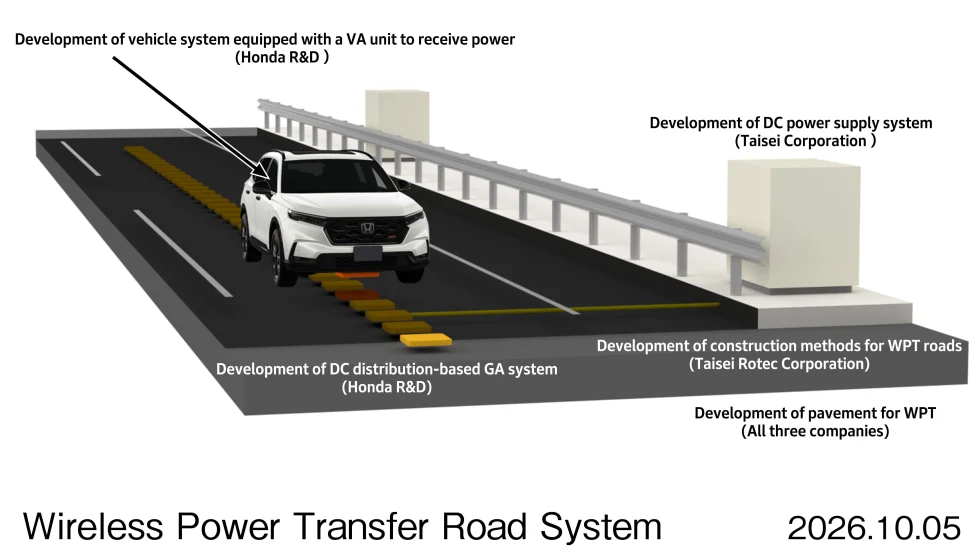
Charging In Motion
Honda has been researching wireless in-motion charging for electric vehicles since 2025, and new technology developments have put it a step closer to a final product.
Read More →
Twin Cities Stores Sell
Minnesota-based Walser Automotive Group made what it called the most significant acquisition in its history with a three-rooftop deal in Minneapolis.
Read More →
U.S. Auto Sales Still Below Prepandemic Levels
Mobility Global industry observers don’t expect the market to return to the higher volumes that became routine before Covid but to stay well below its potential.
Read More →
The Powertrain Shift
Electric-vehicle owners are backpedaling, according to new data, with product availability driving many to shift back to gas-powered engines.
Read More →
Achromatic Autos
The shades that dominate the U.S. car market don’t call attention to themselves, though grayscale may have plateaued after a 30-year upswing, research shows.
Read More →
Used-Vehicle Affordability Worsens
Listing prices in August defied seasonal trends, rising above $27,000 for the second time this year.
Read More →