


Black Book: Weekly Market Update
The fourth quarter is traditionally when the market experiences most of the yearly depreciation, but after just one month in the quarter, values are reporting appreciation of more than 3.0%.

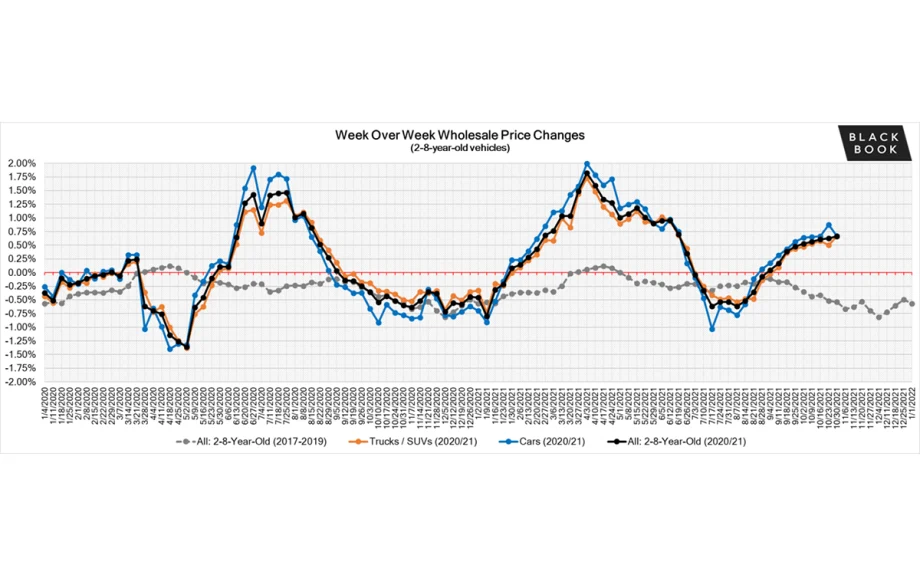
The fourth quarter is traditionally when the market experiences most of the yearly depreciation, but after just one month in the quarter, values are reporting appreciation of more than 3.0%.
BLACK BOOK – Wholesale Prices, Week Ending October 30th
The trend of increasing values continued for a ninth consecutive week, with all segments reporting gains this past week. The fourth quarter is traditionally when the market experiences most of the yearly depreciation, but after just one month in the quarter, values are reporting appreciation of more than 3.0%.
This Week Last Week 2017-2019 Average (Same Week)
Car segments +0.67% +0.87% -0.57%
Truck & SUV segments +0.66% +0.50% -0.51%
Market +0.66% +0.63% -0.54%
Car Segments
On a volume-weighted basis, the overall Car segment increased +0.67%. For reference, the previous week, cars increased by +0.87%.
All nine car segments reported gains again last week.
Mid-Size Cars (+1.08%) increased for an eleventh week in a row for an average weekly increase of +0.76%. Four of the last five weeks of increases exceeded 1%.
Sub-Compact Cars increased +0.62%, compared to the same week in 2019, when the segment had a decline of -1.03%.
Truck / SUV Segments
The volume-weighted, overall Truck segment increased +0.66%, compared to the previous week’s increase of +0.50%.
All thirteen truck segments reported gains last week.
Compact Crossovers reported the largest segment increase last week, +1.46%.
The Compact Crossover segment wasn’t the only one to have an increase greater than 1%, Sub-Compact (+1.13%), Sub-Compact Luxury (+1.32%), and Compact Luxury (+1.03%) also reported large weekly gains.
Weekly Wholesale Index
Calendar year 2020 ended with used wholesale prices at elevated levels. With economic patterns (including the automotive market) driven by the pandemic, normal seasonal patterns (e.g., 2019 calendar year) in the wholesale market were not observed for most of the year. We saw a similar picture in 2009, at the end of the Great Recession. Calendar year 2021 has not had typical seasonality patterns as the market has had rapid increases in wholesale values for the majority of the year. After reaching record heights at the end of June, wholesale prices began to decline at a rate higher than the typical seasonal decline through July and most of August. As we moved into the Fall season, wholesale prices began to show a positive movement once again and reached the highest point of the year last week, at 1.43.
The graph below looks at trends in wholesale prices of 2-6-year-old vehicles, indexed to the first week of the year.
Retail (Used and New) Insights
Lucid Motors has officially started their first customer deliveries of the groundbreaking and luxurious Lucid Air sedan, which is the longest-range electric car ever produced, with 520 miles/837 km of EPA range.
Toyota Motors announced plans to spend $461M at its Kentucky plant to meet shifting customer demand, reduce their carbon footprint, and advance its future capability.
Amazon disclosed that it owns a 20% stake in Rivian, the electric automaker that filed for an IPO last month.
Nearly nine out of every 10 vehicles (56,000 of ~63,000) cut from global production plans last week, due to the ongoing microchip shortage, were from North American plants, according to the latest estimate by AutoForecast Solutions.
Mercedes-Benz announced that dealer profit margins will be cut half a percent, down to 13%, to help fund EV transition.
Used Retail Prices
With the proliferation of ‘no-haggle pricing’ for used-vehicle retailing, asking prices accurately measure trends in the retail space. Retail demand slowed down at the end of last year, and thus resulted in declining retail asking prices for the last several weeks of 2020. As demand rebounded, retail prices have lagged slightly behind wholesale prices, but March had an accelerated growth in retail prices. In April and May, retail prices picked up speed as demand accelerated, fueled by stimulus payments, tax season, and shortages of new inventory. During the third quarter, retail prices continued to rise at a slower rate but have since picked back up. After continued strong increases, the retail listing prices index has increased to just over 29% above where we started the year.
This analysis is based on approximately two million vehicles listed for sale on US dealer lots. The graph below looks at 2-6-year-old vehicles.
Inventory
Used Retail
Typically, used inventory significantly increases in Q4 as manufacturers and dealers switch over to the new model year. This year, due to the microchip shortage, we do not expect such a high volume of used vehicles. In the last four weeks, used inventory stopped declining and stabilized at around 16% below where we started the year.
Days-to-turn for used retail listings decreased over the last month, after a few weeks of slight increases. The days-to-turn now sits just above 36 days, which is lower than what is typically expected in a normal year.
Wholesale
Activity in the auction lanes continues to be strong, particularly on later model year / low mileage inventory. Not only are the big franchise and independent buyers active, but rental companies have been actively competing in attempts to seek out inventory to replace their aging units, as new inventory continues to be in short supply. While manufacturer auction lanes have seemed to dwindle over the last few months, with fewer lease returns and repossessions, dealer lanes have thrived with consistently high volume across the country.
The overall wholesale market for 2-8-year-old vehicles increased by +0.66% last week, and 0-2-year-old vehicles increased +0.61%. Demand remains strong for the newer used units, but values on many models are already exceeding new car pricing.
Originally posted on F&I and Showroom
More Industry
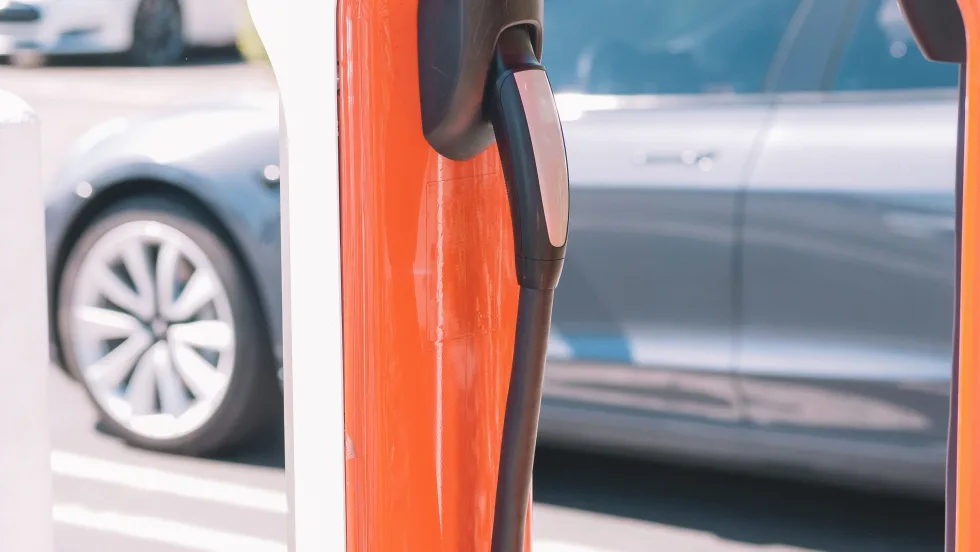
Charger Network Growth Slows
Despite a projected increase in public EV chargers in 2026, charging infrastructure remains a top concern for consumers as the gap between the most and least EV-friendly places remains substantial.
Read More →
Lenders, Consumers Take on More Auto Loan Risk
September records loosened credit access the most in over a decade as buyers took advantage of the conditions to afford trading, though loan applications fell.
Read More →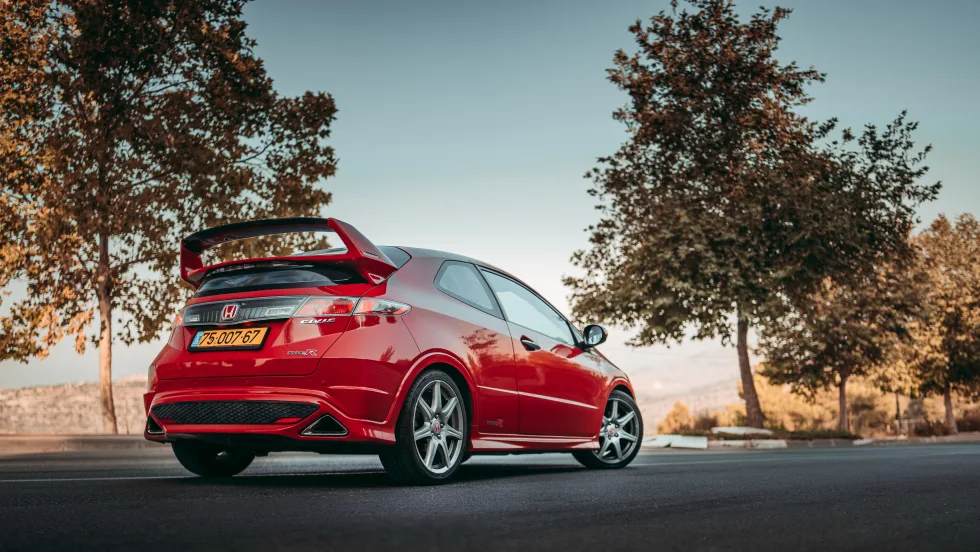
Next-Gen Hybrids in Sight
Dealerships can expect to see revamped hybrids from Honda next year as the company rolls out a new system and model lineup.
Read More →
Gem State Stores Change Hands
A larger auto group founded in the industry’s early years sold two franchises to a neighbor group that's on a growth spurt.
Read More →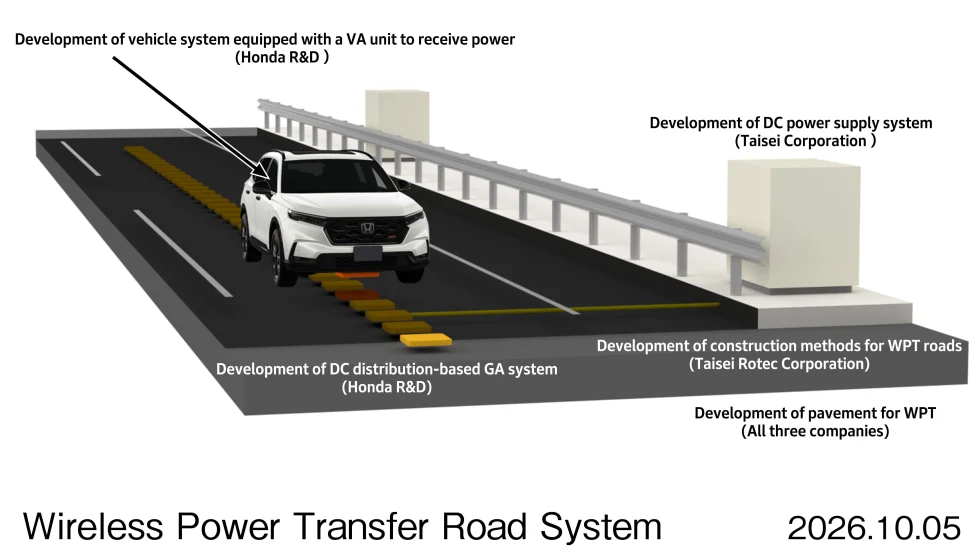
Charging In Motion
Honda has been researching wireless in-motion charging for electric vehicles since 2025, and new technology developments have put it a step closer to a final product.
Read More →
Twin Cities Stores Sell
Minnesota-based Walser Automotive Group made what it called the most significant acquisition in its history with a three-rooftop deal in Minneapolis.
Read More →
U.S. Auto Sales Still Below Prepandemic Levels
Mobility Global industry observers don’t expect the market to return to the higher volumes that became routine before Covid but to stay well below its potential.
Read More →
The Powertrain Shift
Electric-vehicle owners are backpedaling, according to new data, with product availability driving many to shift back to gas-powered engines.
Read More →
Achromatic Autos
The shades that dominate the U.S. car market don’t call attention to themselves, though grayscale may have plateaued after a 30-year upswing, research shows.
Read More →
Used-Vehicle Affordability Worsens
Listing prices in August defied seasonal trends, rising above $27,000 for the second time this year.
Read More →