


Calif. Dealers Resist Lincoln Facility Rules
The California New Car Dealers Association is pushing back against factory policies threatening financial penalties for failing to build standalone Lincoln stores.

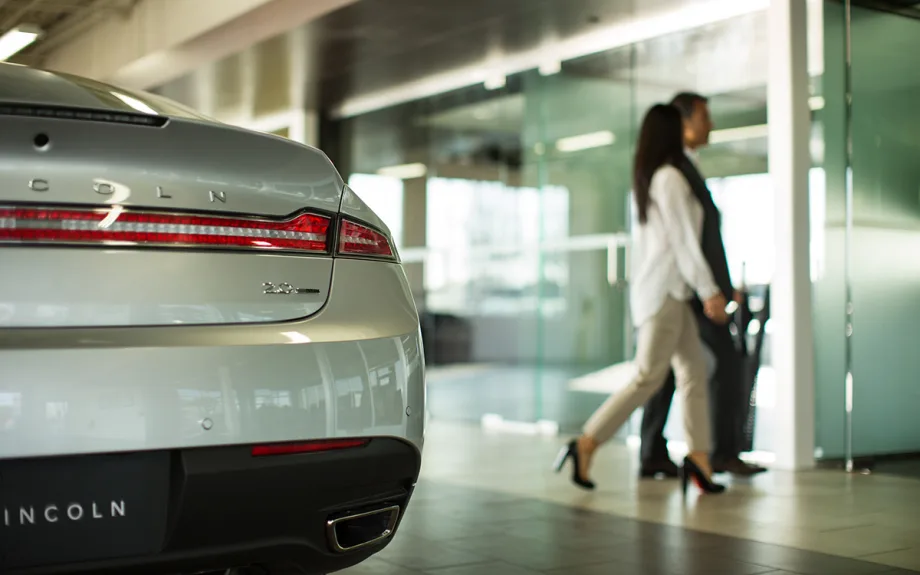
Factory executives have cited research showing the majority of luxury-vehicle buyers prefer to shop in dedicated spaces as they urge Ford dealers to build standalone Lincoln showrooms.
Photo courtesy Lincoln Motor Co.
SACRAMENTO, Calif. — California New Car Dealers Association President Brian Maas has sent a letter asking Ford Motor Co. CEO Jim Hackett to reverse policies threatening to withhold margin, co-op payments, and Black Label editions of Lincoln vehicles to dealers operating dual facilities who fail to build standalone showrooms for Ford’s luxury brand, according to an Automotive News report.
The letter is part of the CNCDA’s response to a series of communications sent by Ford to 150 dealers in Lincoln’s 30 biggest U.S. markets between April and August of this year. Citing research showing highline buyers prefer to visit dedicated spaces, the factory reversed a decade’s worth of policies promoting shared facilities, threatening to withhold $100,000 annual co-op payments, 3.5% of margin on new-vehicle sales, and Black Label editions of Lincoln vehicles from dealers who don’t already stock them, the report said.
Maas is quoted as sharing “serious concerns” about the new policies in his letter, which requests a response from Hackett by Dec. 8.
“By withholding 3.5% of a dealer’s margin, Ford/Lincoln penalizes each dealer that operates a dual Ford-Lincoln facility hundreds of thousands of dollars per year,” he wrote, in part. “This could push many otherwise profitable dealers into the red.”
Maas also claims Ford’s policies violate a section of California’s franchise laws restricting factories from requiring standalone facilities under “unreasonable” circumstances.
“It is plainly apparent that Ford/Lincoln is implementing these policies to coerce dealers into separating their dualed Ford-Lincoln dealerships,” he wrote, according to the report.
Originally posted on Auto Dealer Today
More Industry
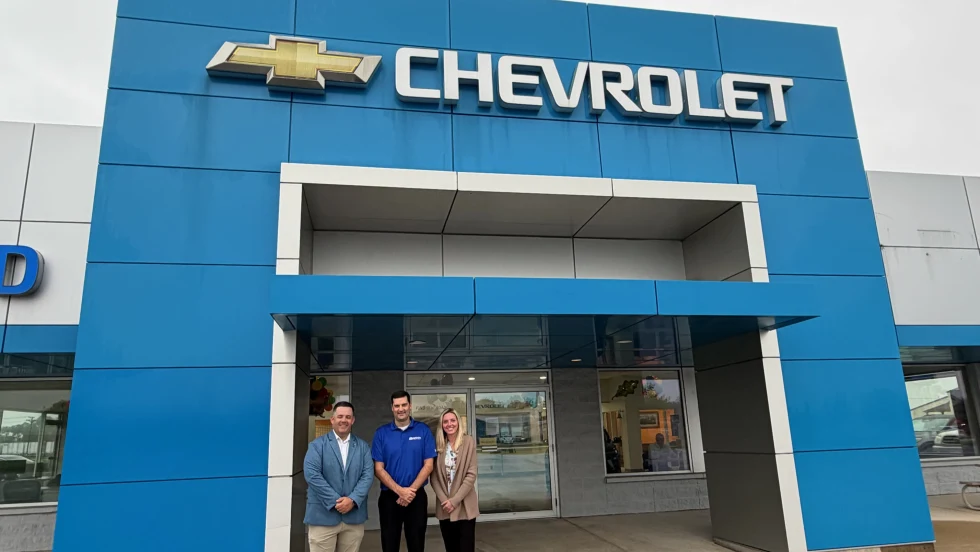
Badger State Dealership Gets New Owner
The longtime southern Wisconsin store moved from one area auto group to another, keeping the business in Dairyland.
Read More →
The Cycle of Negative Equity
Third-quarter data shows consumers still rolling over debt and stretching loan terms, raising their risk of remaining underwater.
Read More →
Charger Network Growth Slows
Despite a projected increase in public EV chargers in 2026, charging infrastructure remains a top concern for consumers as the gap between the most and least EV-friendly places remains substantial.
Read More →
Lenders, Consumers Take on More Auto Loan Risk
September records loosened credit access the most in over a decade as buyers took advantage of the conditions to afford trading, though loan applications fell.
Read More →
Next-Gen Hybrids in Sight
Dealerships can expect to see revamped hybrids from Honda next year as the company rolls out a new system and model lineup.
Read More →
Gem State Stores Change Hands
A larger auto group founded in the industry’s early years sold two franchises to a neighbor group that's on a growth spurt.
Read More →
Charging In Motion
Honda has been researching wireless in-motion charging for electric vehicles since 2025, and new technology developments have put it a step closer to a final product.
Read More →
Twin Cities Stores Sell
Minnesota-based Walser Automotive Group made what it called the most significant acquisition in its history with a three-rooftop deal in Minneapolis.
Read More →
U.S. Auto Sales Still Below Prepandemic Levels
Mobility Global industry observers don’t expect the market to return to the higher volumes that became routine before Covid but to stay well below its potential.
Read More →
The Powertrain Shift
Electric-vehicle owners are backpedaling, according to new data, with product availability driving many to shift back to gas-powered engines.
Read More →