


Car Color Palette Warms
2024 saw shift in consumer preferences toward individuality, desire for stability.

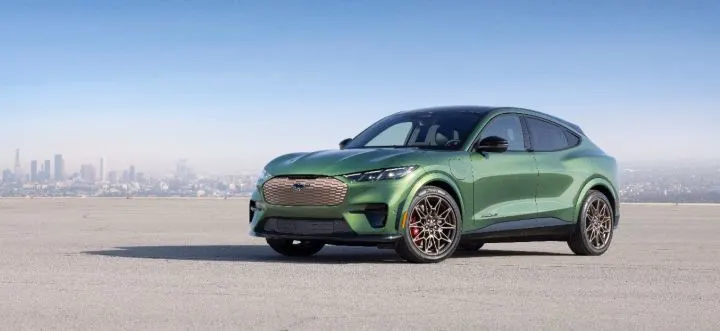
Green is one of the less-traditional colors that are gaining traction among consumers seeking individuality.
Ford
When it comes to car colors, consumer preferences are becoming less white-and-black.
A report by pigment producer BASF Coatings indicates many drivers are gravitating to less traditional hues and buying fewer black, white and silver vehicles, though white is still the most popular choice.
Worldwide, more consumers are buying cars in brighter colors or warm neutrals, the company said in its Color Report for Automotive OEM Coatings.
Warm yellows and beiges, along with greens, are more common on today’s roads, for instance, along with grays. In fact, gray tones make up nearly 20% of the U.S. market share, according to the report.
In the meantime, black fell two percentage points last year while white fell five percentage points.
“Gray is redefining automotive style, gaining popularity for its versatile sophistication as preferences shift away from traditional white and black,” said Senior Design Manager Victoria Fislage in a press release on the report.
In the Europe-Middle East-Africa region, or EMEA, gray is second only to white, though beige nearly doubled in popularity last year.
“Beige and neutral colors evoke a sense of calm and sophistication, reflecting the desire for stability in a fast-paced world,” said BASF Global Head of Automotive Color Design Mark Gutjahr.
The Asia-Pacific region was an outlier where black gained two percentage points as white fell at the same rate. Yellow, though, is gaining steam, especially soft tones.
“Earthy and pastel yellows capture today’s values – functionality, sustainability, and coexistence with nature,” said BASF Head of Automotive Color Design for Asia Pacific Chiharu Matsuhara.
LEARN MORE: A Muted Rainbow on the Road
Originally posted on F&I and Showroom
More Product & Technology

Integrating AI Into Your Admin System
It’s important for finance-and insurance administrators to build the technology into their existing systems instead of bolting it on.
Read More →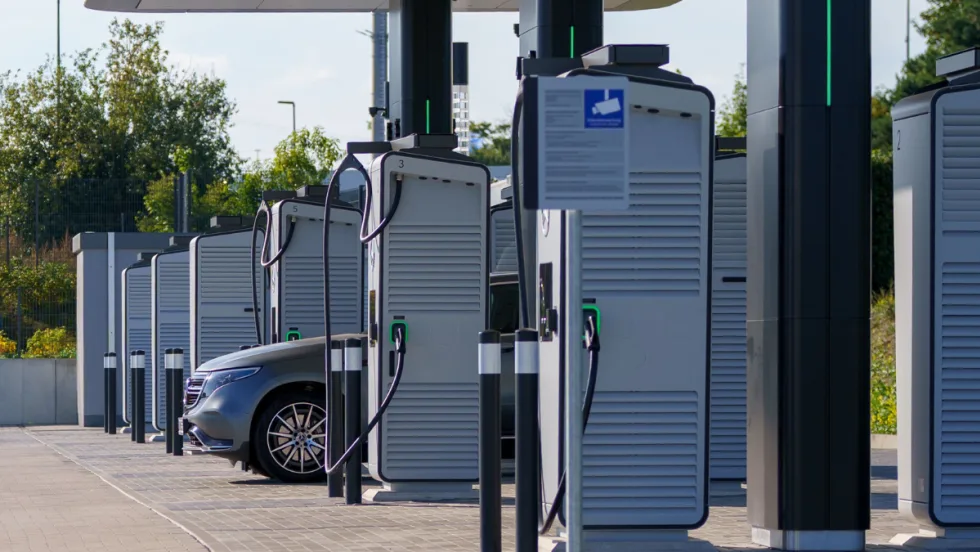
Public EV Charging Improves
The infrastructure buildout in the U.S. is providing more availability and safety at a better cost, according to the latest EV experience study by JD Power.
Read More →
AI in the Dealership
A Cox Automotive poll shows most dealers use it, but only some have found the smartest ways to adapt the surging technological sensation.
Read More →
AAA Honors Service and Repair Facilities
Three automotive dealerships made AAA's Service Providers of Excellence and Best in Repair list this year.
Read More →
EFG Launches Product Admin Platform
The company says the offering is designed to empower administrators, service contract providers, and product marketers to expand automotive and power-sports capabilities.
Read More →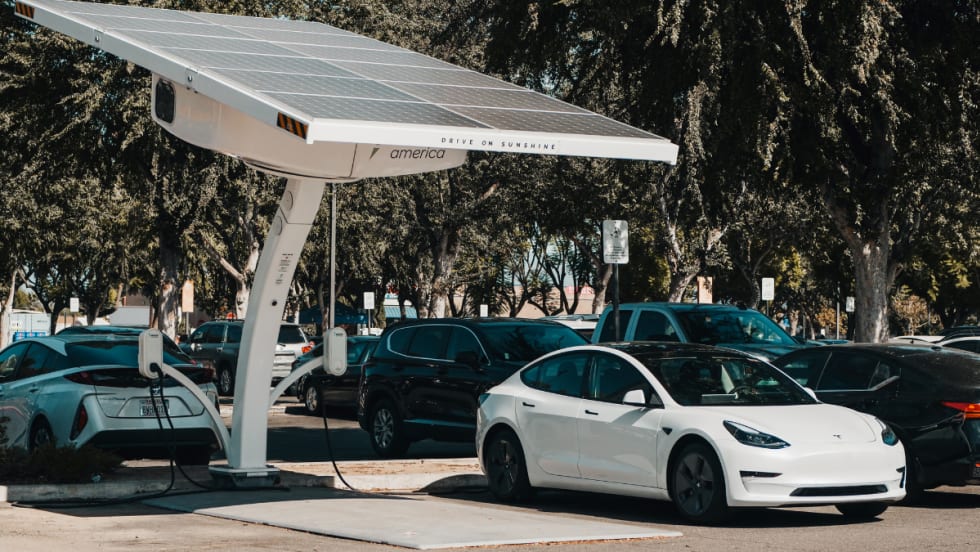
Optimized Charging Could Reduce Costs
According to an Alliance for Automotive Innovation analysis, optimized EV charging could cut costs for drivers and improve grid infrastructure - potential adoption incentives.
Read More →
From Inspection to Impact
Data, video and artificial intelligence are driving service performance today, when inspection performance is closely tied to key business outcomes.
Read More →
Car Karaoke Gets Official Platform
The in-vehicle karaoke and sing-along platform by Samsung arm is meant to add traveling enjoyment safely in technology that automakers can tailor to their specific needs.
Read More →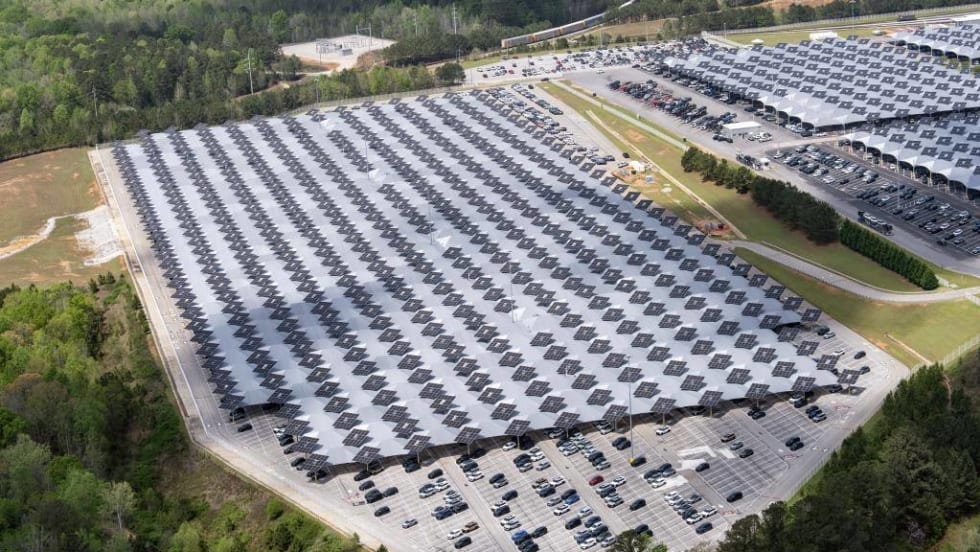
Kia Embraces Clean Energy
A Kia Georgia partnership combines weather protection and renewable energy in a new solar canopy system at Kia’s West Point facility.
Read More →
Honda-Sony Venture Dismantled
For nearly four years, the companies had worked toward the launch of the electric-vehicle brand’s first two models, but the shifting EV market scuttled the plans.
Read More →