


Car-safety Bill May Be Tamed

WASHINGTON — Congressional Democrats may scale back some provisions of an auto-safety bill after carmakers criticized the measure for mandating rapid and costly rollouts of new technology and eliminating their right to question government-imposed vehicle recalls, The Wall Street Journal reported.
Proposals unveiled in the House and Senate this month would require fundamental changes to the design of cars in the next few years, including modifications to gas-pedal configurations and new requirements for crash-data recorders and back-up brake technology.
The bills also would remove a cap on civil fines for safety lapses by car makers and would empower the top U.S. vehicle-safety regulator to unilaterally order a vehicle recall.
Consumer advocates said those provisions were needed to prevent a repeat of the problems that led Toyota Motor Corp. to recall more than 8.5 million vehicles globally since last fall for defects related to sudden acceleration and other safety issues. Toyota also agreed to pay more than $16 million to settle charges by the Department of Transportation that it tried to hide the defects from regulators.
But industry representatives told lawmakers at a House hearing last week that the mandates for new technology came with unrealistic deadlines.
They also objected that the bills would give too much power to regulators while impinging industry's rights to appeal decisions.
An aide to House Energy and Commerce Committee Chairman Henry Waxman (D., Calif.), a chief author of the legislation, said lawmakers are modifying the bill to reflect concerns raised by the industry and other interests. The aide said a new version would be unveiled shortly.
Dave McCurdy, president of the Alliance of Automobile Manufacturers, a trade group that includes the three Detroit car makers and Toyota, said the legislation as drafted preempted a more technical study by engineers of how technology such as event-data recorders, known as "black boxes," and other systems might work.
The bill proposed that some new features be installed starting within three years of the bill's passage. Auto makers are typically given at least five years to implement major changes to cars so that they can design them in to new models and avoid expensive retooling of existing vehicles.
Dan Ryan, government and safety affairs manager for Mazda Motor Corp.'s U.S. unit, said the proposal's most troubling facet is the one calling for a pedal-placement standard to prevent obstruction of accelerator pedals by objects such as floor mats.
The Waxman bill calls for the standard to be implemented in vehicles made as early as the 2014 model year.
"Depending on how that got done, it could really mandate a complete overhaul of the foot box, where the pedals are, how things work. It's potentially huge," Ryan said. "This is one where you might have to redesign the whole car."
More Industry

Charger Network Growth Slows
Despite a projected increase in public EV chargers in 2026, charging infrastructure remains a top concern for consumers as the gap between the most and least EV-friendly places remains substantial.
Read More →
Lenders, Consumers Take on More Auto Loan Risk
September records loosened credit access the most in over a decade as buyers took advantage of the conditions to afford trading, though loan applications fell.
Read More →
Next-Gen Hybrids in Sight
Dealerships can expect to see revamped hybrids from Honda next year as the company rolls out a new system and model lineup.
Read More →
Gem State Stores Change Hands
A larger auto group founded in the industry’s early years sold two franchises to a neighbor group that's on a growth spurt.
Read More →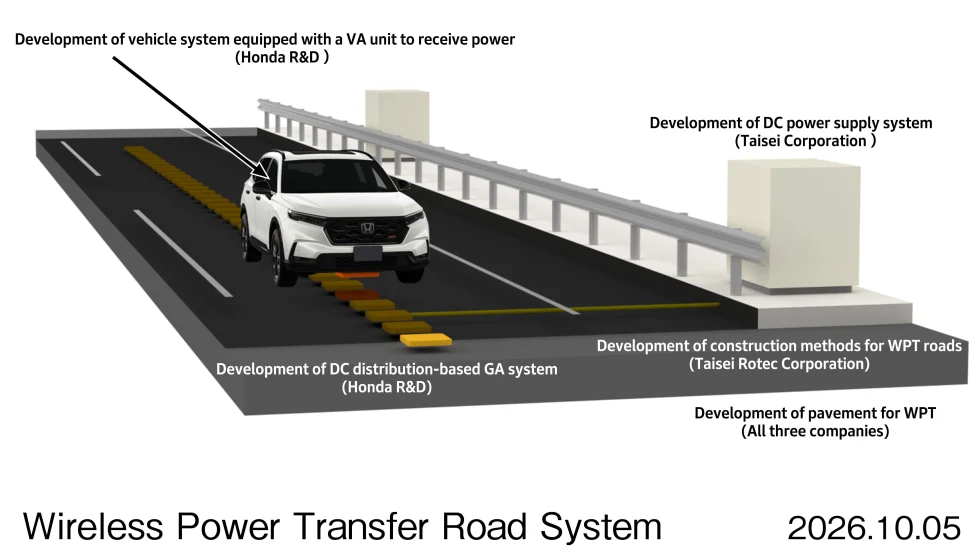
Charging In Motion
Honda has been researching wireless in-motion charging for electric vehicles since 2025, and new technology developments have put it a step closer to a final product.
Read More →
Twin Cities Stores Sell
Minnesota-based Walser Automotive Group made what it called the most significant acquisition in its history with a three-rooftop deal in Minneapolis.
Read More →
U.S. Auto Sales Still Below Prepandemic Levels
Mobility Global industry observers don’t expect the market to return to the higher volumes that became routine before Covid but to stay well below its potential.
Read More →
The Powertrain Shift
Electric-vehicle owners are backpedaling, according to new data, with product availability driving many to shift back to gas-powered engines.
Read More →
Achromatic Autos
The shades that dominate the U.S. car market don’t call attention to themselves, though grayscale may have plateaued after a 30-year upswing, research shows.
Read More →
Used-Vehicle Affordability Worsens
Listing prices in August defied seasonal trends, rising above $27,000 for the second time this year.
Read More →