


Commercial EV Vehicle Leases to Qualify for Tax Credits
As of January 1, consumers can lease electric vehicles and qualify for up to $7,500 in commercial clean vehicle tax credits.


As of January 1, consumers can lease electric vehicles and qualify for up to $7,500 in commercial clean vehicle tax credits.
IMAGE: GettyImages/martin-dm
As of January 1, consumers can lease electric vehicles (EVs) and qualify for up to $7,500 in commercial clean vehicle tax credits.
The move by the U.S. Treasury Department makes EVs assembled outside of North America eligible for tax credits. The change addresses concerns by South Korean and European automakers who were frustrated that their EVs would not qualify for tax credits under the $430 billion Inflation Reduction Act (IRA).
Though this is a positive change, outright vehicle purchases only qualify for tax credits if the EVs were assembled in North America. The new legislation, passed in August, ended $7,500 consumer tax credits for purchases of EVs assembled outside North America.
The IRA also restricts battery minerals and component sourcing, sets income and price caps for qualifying vehicles and plans to phase out Chinese battery minerals or components. However, the bill’s commercial credit does not place sourcing restrictions on EVs.
U.S. Senator Joe Manchin has urged the U.S. Treasury to pause implementation of both commercial and new consumer EV tax credits. He warned the rules will be applied unevenly and reward those companies “looking for loopholes” and promised to introduce legislation to stop this “dangerous interpretation” from the Treasury.
The European Commission, however, praised the Treasury consumer leasing guidance saying it would not require "changes to established or foreseen business models of EU producers. This is a win-win for both sides."
Alliance for Automotive Innovation CEO John Bozzella told Reuters the leasing guidance was "consistent with our recommendation and a positive development for broad adoption of EVs in the U.S."
That law also removes the 200,000-vehicle per manufacturer cap that made Tesla and General Motors ineligible for EV tax credits as of Jan. 1.
A list of eligible 2023 EVs is available from the Internal Revenue Service. The list includes EVs from 13 automakers including Ford Motor Co., Nissan, Rivian, Stellantis, Tesla, Volkswagen, and Volvo.
In December, the Treasury delayed releasing guidance on sourcing of EV batteries until March. The delay will allow manufacturers of EVs that do not meet the new sourcing requirements to make changes before the rules go into effect.
Still, the credits have rules that may be difficult to figure out at first. For instance, half the credit is contingent on at least 40% of the value of the critical minerals in the battery having been extracted or processed in the United States or a country with a U.S. free-trade agreement, or recycled in North America, a percentage requirement that rises annually.
Originally posted on Auto Dealer Today
More Product & Technology

Integrating AI Into Your Admin System
It’s important for finance-and insurance administrators to build the technology into their existing systems instead of bolting it on.
Read More →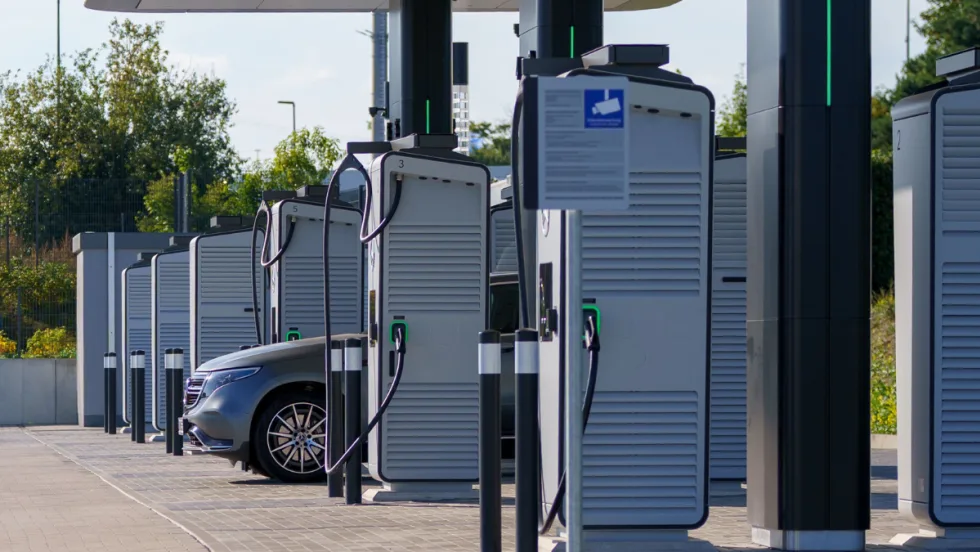
Public EV Charging Improves
The infrastructure buildout in the U.S. is providing more availability and safety at a better cost, according to the latest EV experience study by JD Power.
Read More →
AI in the Dealership
A Cox Automotive poll shows most dealers use it, but only some have found the smartest ways to adapt the surging technological sensation.
Read More →
AAA Honors Service and Repair Facilities
Three automotive dealerships made AAA's Service Providers of Excellence and Best in Repair list this year.
Read More →
EFG Launches Product Admin Platform
The company says the offering is designed to empower administrators, service contract providers, and product marketers to expand automotive and power-sports capabilities.
Read More →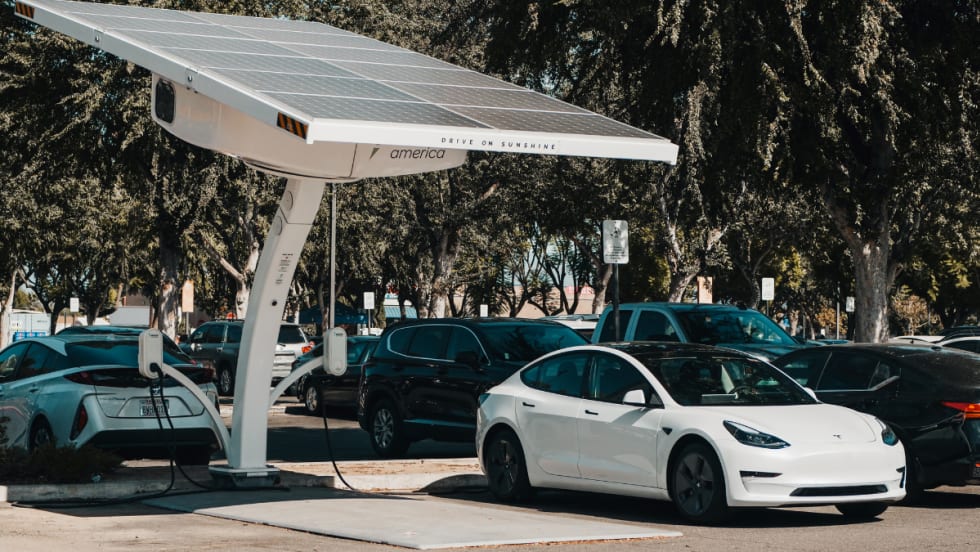
Optimized Charging Could Reduce Costs
According to an Alliance for Automotive Innovation analysis, optimized EV charging could cut costs for drivers and improve grid infrastructure - potential adoption incentives.
Read More →
From Inspection to Impact
Data, video and artificial intelligence are driving service performance today, when inspection performance is closely tied to key business outcomes.
Read More →
Car Karaoke Gets Official Platform
The in-vehicle karaoke and sing-along platform by Samsung arm is meant to add traveling enjoyment safely in technology that automakers can tailor to their specific needs.
Read More →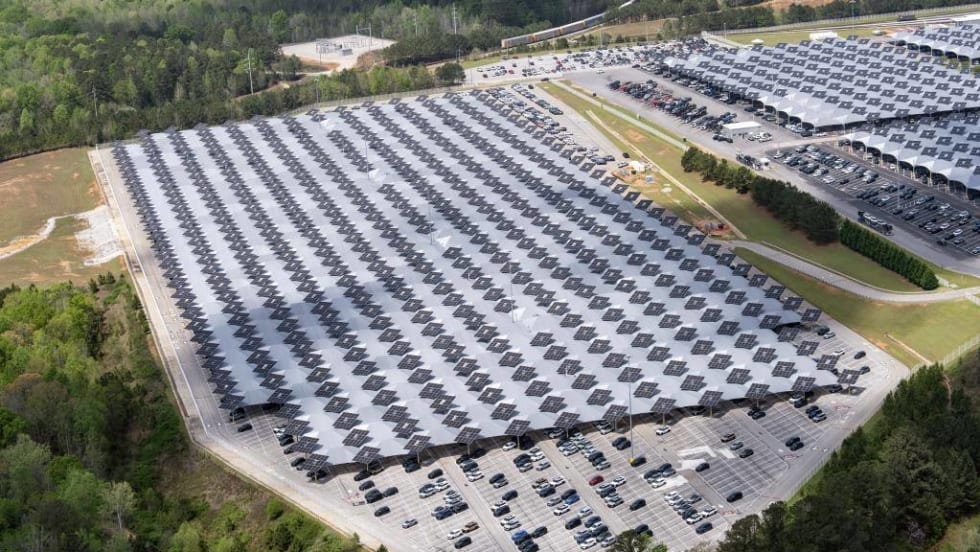
Kia Embraces Clean Energy
A Kia Georgia partnership combines weather protection and renewable energy in a new solar canopy system at Kia’s West Point facility.
Read More →
Honda-Sony Venture Dismantled
For nearly four years, the companies had worked toward the launch of the electric-vehicle brand’s first two models, but the shifting EV market scuttled the plans.
Read More →