


Consumer Confidence Increased in February, Conference Board Reports

NEW YORK - The Conference Board's Consumer Confidence Index increased in February, following a decrease last month. The Index now stands at 70.8 (1985=100), up from 61.5 in January. The Present Situation Index increased to 45 from 38.8, while the Expectations Index rose to 88 from 76.7 in January.
The monthly Consumer Confidence Survey, based on a probability-design random sample, is conducted for The Conference Board by Nielsen. The cutoff date for the preliminary results was Feb. 15.
“Consumer Confidence, which had declined last month, posted a sizeable improvement in February,” said Lynn Franco, director of the Conference Board Consumer Research Center. “The Index is now close to levels last seen a year ago (Feb. 2011, 72). Consumers are considerably less pessimistic about current business and labor market conditions than they were in January. And, despite further increases in gas prices, they are more optimistic about the short-term outlook for the economy, job prospects and their financial situation. ”
Consumer assessment of current conditions was more favorable in February, according to the Conference Board. Those claiming business conditions are “good” increased slightly to 13.3 percent from 13.2 percent, while those claiming business conditions are “bad” decreased to 31.2 percent from 38.3 percent. Consumers’ appraisal of the labor market also was less pessimistic. Those stating jobs are “plentiful” increased to 6.6 percent from 6.2 percent, while those saying jobs are “hard to get” decreased to 38.7 percent from 43.3 percent.
Consumers were more optimistic about the short-term outlook than they were last month, the Conference Board reported. The proportion of consumers expecting business conditions to improve over the next six months increased to 18.7 percent from 16.7 percent, while those anticipating business conditions will worsen decreased to 11.8 percent from 14.6 percent.
Consumer outlook for the labor market also was more upbeat. Those anticipating more jobs in the months ahead increased to 18.7 percent from 16.4 percent, while those anticipating fewer jobs declined to 16.9 percent from 19.1 percent. The proportion of consumers expecting an increase in their incomes improved to 15.4 percent from 13.8 percent.
More Industry
Charger Network Growth Slows
Despite a projected increase in public EV chargers in 2026, charging infrastructure remains a top concern for consumers as the gap between the most and least EV-friendly places remains substantial.
Read More →
Lenders, Consumers Take on More Auto Loan Risk
September records loosened credit access the most in over a decade as buyers took advantage of the conditions to afford trading, though loan applications fell.
Read More →
Next-Gen Hybrids in Sight
Dealerships can expect to see revamped hybrids from Honda next year as the company rolls out a new system and model lineup.
Read More →
Gem State Stores Change Hands
A larger auto group founded in the industry’s early years sold two franchises to a neighbor group that's on a growth spurt.
Read More →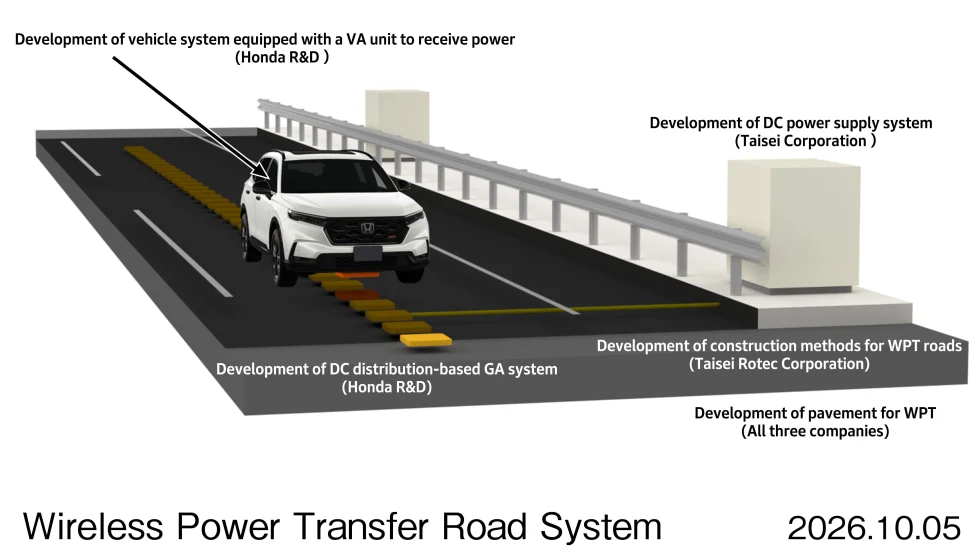
Charging In Motion
Honda has been researching wireless in-motion charging for electric vehicles since 2025, and new technology developments have put it a step closer to a final product.
Read More →
Twin Cities Stores Sell
Minnesota-based Walser Automotive Group made what it called the most significant acquisition in its history with a three-rooftop deal in Minneapolis.
Read More →
U.S. Auto Sales Still Below Prepandemic Levels
Mobility Global industry observers don’t expect the market to return to the higher volumes that became routine before Covid but to stay well below its potential.
Read More →
The Powertrain Shift
Electric-vehicle owners are backpedaling, according to new data, with product availability driving many to shift back to gas-powered engines.
Read More →
Achromatic Autos
The shades that dominate the U.S. car market don’t call attention to themselves, though grayscale may have plateaued after a 30-year upswing, research shows.
Read More →
Used-Vehicle Affordability Worsens
Listing prices in August defied seasonal trends, rising above $27,000 for the second time this year.
Read More →