


Dealertrack: Millennial Stereotypes Aren't Entirely True

LAKE SUCCESS, N.Y. — The perception that millennials — consumers ages 18-34 — are content with a carless, ride-hailing life may not be true after all, at least according to new data from Dealertrack.
In 2015, a record-setting sales year, millennials accounted for 34.6% of all auto loans originated through the Dealertrack platform, according to the software firm. Through the first eight months of 2016, that segment's share of auto loan originations has grown to 36%.
“What we found was that millennials were kind of pigeon-holed into this category as lazy, young and entitled, and I think there were questions as to how they would transition when they became adults and had jobs,” said Jason Barrie, Dealertrack’s vice president of market performance, lender, sales, and F&I solutions. “I think the auto market is an important variable to show if millennials are in the market to buy larger assets, and I think, from the data that we’re seeing, they are in the market for cars.”
In the past five years, Dealertrack has seen millennial loan originations grow at a significant pace. In 2011, the age group accounted for 24.8% of all auto loan originations. They now account for more than a third of all loan originations.
Barrie attributes some of this growth to natural generational shifts. In 2011, consumers over 64 accounted for 13% of all loan originations. Now they account for 8.6%. Generation X represented 44.3% of all loan originations in 2011, but now account for 41%. However, there are also other factors contributing to the rise of millennial loan originations, including the growth of incentives targeting the demographic.
“Many of those incentives were pointed at recent college grads, and many of them were designed to drive upstream customers that weren’t necessarily in the market. And it did help drive sales in 2015 as well as in 2016,” Barrie said. “So you’re seeing some demographic shifts here, you’re seeing some activities that are showing the largest demographic group in the history of the United States, this millennial group, they’re players in the market and they’re going to move cars and influence how and what is actually purchased and leased.”
Another factor that has helped the growth of millennial loan originations, Barrie noted, is the rise in finance sources targeting the subprime market. Many sources, Barrie added, are buying deeper in the subprime segment and are looking at millennials as a key growth opportunity.
Many millennials are still working to establish credit, are at the beginning of their careers, and are living on limited budgets. That makes the monthly payment a major consideration for this car-buying demographic. For the older, more established millennials, stretching terms or leasing is a great option.
According to Barrie, the average new-vehicle loan term for a millennial was 70.4 months, up from 70.2 months last year. The average new-vehicle loan term for Generation X was 70.1 months, while the average term for baby boomers was 68.8 months.
Because of their credit standing, leasing doesn't account for a lot of transactions from this age group. Barrie noted that millennials take out 19 auto loans for every one lease transaction. However, from 2012 to 2016, millennial lease transactions have grown by 49%.
“As millennials gain better credit, you’re going to see leasing continue to be a solution for that younger demographic looking to get into the car of their choice to match their budgets,” Barrie said.
Barrie also addressed a perception that millennials want to exclusively buy their cars online. He said Dealertrack has found that that's only partly true.
Millennials do, in fact, want a digital retailing experience, but they still want to be able to test drive their car at the dealership. They want to go to a dealer’s website to pick a car, configure it, get finance options, get a trade-in offer, and fill out a credit application so their deal is structured by the time they reach the showroom. This online-to-showroom experience is part of why Barrie believes in the effectiveness of Dealertrack’s iPad menu.
“To be able to present F&I products with video and graphics and descriptions, it's more in line with the interactive experience that consumers are looking for online. So when they come into the physical dealership, they’re engaged with tablet technology to continue that experience, so it’s not disjointed,” Barrie said. “Think about the experience, that you’re online, you structure a deal. You got all these great tools, you got financing options, fill out a credit app, you can research F&I products online and then you come into the dealership and they hand you a photo copy brochure of a vehicle service contract.
“And that’s where we see the use of dealer-controlled technology in the showroom, that enables the sales process, enables the F&I manager to do a more effective job of telling the story," Barrie added. "This isn’t to replace the F&I manager. We do not see the technology replacing the individual who’s educating the consumer. F&I departments add so much value to the car-buying experience to educate a consumer.”
More Industry

Charger Network Growth Slows
Despite a projected increase in public EV chargers in 2026, charging infrastructure remains a top concern for consumers as the gap between the most and least EV-friendly places remains substantial.
Read More →
Lenders, Consumers Take on More Auto Loan Risk
September records loosened credit access the most in over a decade as buyers took advantage of the conditions to afford trading, though loan applications fell.
Read More →
Next-Gen Hybrids in Sight
Dealerships can expect to see revamped hybrids from Honda next year as the company rolls out a new system and model lineup.
Read More →
Gem State Stores Change Hands
A larger auto group founded in the industry’s early years sold two franchises to a neighbor group that's on a growth spurt.
Read More →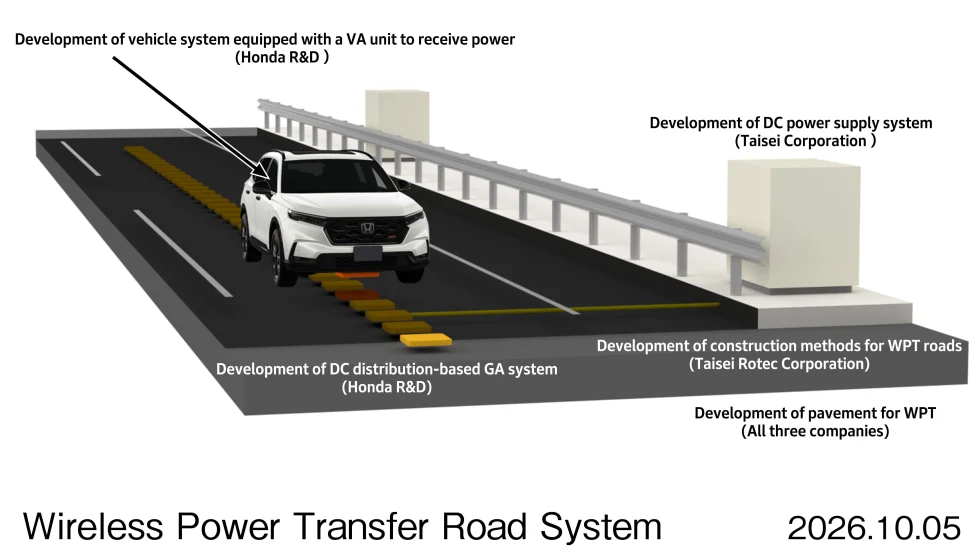
Charging In Motion
Honda has been researching wireless in-motion charging for electric vehicles since 2025, and new technology developments have put it a step closer to a final product.
Read More →
Twin Cities Stores Sell
Minnesota-based Walser Automotive Group made what it called the most significant acquisition in its history with a three-rooftop deal in Minneapolis.
Read More →
U.S. Auto Sales Still Below Prepandemic Levels
Mobility Global industry observers don’t expect the market to return to the higher volumes that became routine before Covid but to stay well below its potential.
Read More →
The Powertrain Shift
Electric-vehicle owners are backpedaling, according to new data, with product availability driving many to shift back to gas-powered engines.
Read More →
Achromatic Autos
The shades that dominate the U.S. car market don’t call attention to themselves, though grayscale may have plateaued after a 30-year upswing, research shows.
Read More →
Used-Vehicle Affordability Worsens
Listing prices in August defied seasonal trends, rising above $27,000 for the second time this year.
Read More →