


Demand Doesn’t Match New-Vehicle Supply
Market hangs in a ‘delicate balance’ as OEMs, dealers and consumers wait to see how trade policy plays out.

Chevrolet is among U.S. automakers still stocking supply from overseas factories despite U.S. trade tariffs.
Pexels/Raduz
New-vehicle sales are tepid despite plentiful supply and flat asking prices, Cox Automotive reported in an early July assessment that found a flat 30-day sales pace.
Inventory, at 2.8 million units as the month opened ahead of the Independence Day holiday, was up about 15% over early June but 1% below a year earlier, Cox said. The supply includes early 2026 model-year arrivals.
The inventory amounts to 82 days’ supply, up 12 days from late May when the rush of trade tariff-dodging buyers waned. Though sales were about flat in June, they fell significantly from both April and May. The pace was still up 2% year-over-year, Cox said.
It pointed out that continually shifting U.S. trade policy hasn’t yet significantly boosted manufacturer’s suggested retail prices, though many brands’ incentives have been less plentiful.
The average June listing was $48,749, flat month-over-month though up 3% year-over-year. The average transaction price was also flat at $48,907, and incentives were also flat at about 7% of the ATP.
“Tariff negotiations have been kicked down the road for another three weeks, which means it could be the fourth quarter before we see any significant movement in overall consumer prices,” said Cox, which characterized conditions as a “delicate balance.”
“For now, patience remains a virtue, and attentive consumers may find value by tracking nuanced movements in pricing and inventory as the year progresses.”
The swelling of supply was observed across the industry. 2026 unit inventory alone is down 21% year-over-year, Cox said, pointing out that U.S. trade tariffs are especially affecting European luxury brands.
Audi and Mercedes in particular appear to be limiting exports to the U.S., Audi having no 2026 units here so far, and Mercedes at less than 2% of available supply here being new units, according to Cox data.
In good news for bargain shoppers, many of the least expensive models are being stocked as normal, including Buicks and Chevrolets from South Korean factories and Chevrolets, Fords and Hondas from Mexico, Cox said.
Originally posted on Agent Entrepreneur
More Industry

Charger Network Growth Slows
Despite a projected increase in public EV chargers in 2026, charging infrastructure remains a top concern for consumers as the gap between the most and least EV-friendly places remains substantial.
Read More →
Lenders, Consumers Take on More Auto Loan Risk
September records loosened credit access the most in over a decade as buyers took advantage of the conditions to afford trading, though loan applications fell.
Read More →
Next-Gen Hybrids in Sight
Dealerships can expect to see revamped hybrids from Honda next year as the company rolls out a new system and model lineup.
Read More →
Gem State Stores Change Hands
A larger auto group founded in the industry’s early years sold two franchises to a neighbor group that's on a growth spurt.
Read More →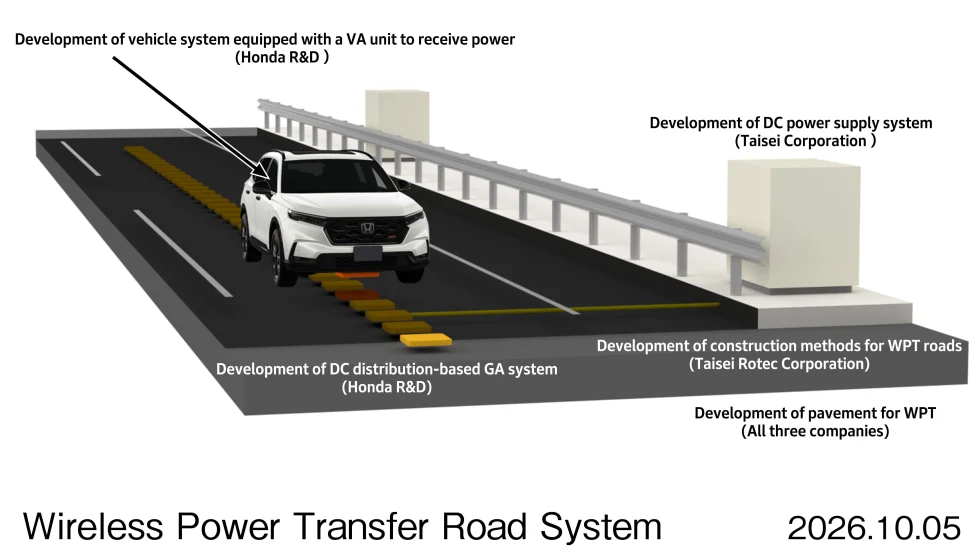
Charging In Motion
Honda has been researching wireless in-motion charging for electric vehicles since 2025, and new technology developments have put it a step closer to a final product.
Read More →
Twin Cities Stores Sell
Minnesota-based Walser Automotive Group made what it called the most significant acquisition in its history with a three-rooftop deal in Minneapolis.
Read More →
U.S. Auto Sales Still Below Prepandemic Levels
Mobility Global industry observers don’t expect the market to return to the higher volumes that became routine before Covid but to stay well below its potential.
Read More →
The Powertrain Shift
Electric-vehicle owners are backpedaling, according to new data, with product availability driving many to shift back to gas-powered engines.
Read More →
Achromatic Autos
The shades that dominate the U.S. car market don’t call attention to themselves, though grayscale may have plateaued after a 30-year upswing, research shows.
Read More →
Used-Vehicle Affordability Worsens
Listing prices in August defied seasonal trends, rising above $27,000 for the second time this year.
Read More →