


Detroit 3 Raise Asian Currency Issues

WASHINGTON - The Detroit Three automakers on Wednesday urged Congress to take action to stop efforts by Japan and South Korea to shore up their currencies, The Detroit News reported.
The automakers prodded Congress to "send a clear message to the governments of Japan and Korea: Do not intervene in currency markets."
It's the latest effort by the automakers to raise the issue of currency. It follows a meeting earlier this month with the senior auto adviser on currency issues.
The American Automotive Policy Council -- representing General Motors Co., Ford Motor Co. and Chrysler Group LLC, said both countries were engaging in "currency manipulation" that "unfairly boosts these nations' auto exports and hurts American jobs."
Automakers have complained for more than a decade that Japan and Korea haven't done enough to open their markets and allow their currency to move at market rates. A proposed Korea Free Trade agreement remains stalled in Congress -- largely because of concerns of midwestern Democrats that the deal doesn't do enough to open Korea's auto market.
The automakers cited Japan's decision last week to add another $56 billion to its special fund for currency interventions on top of the massive reserve already in place -- and Japan's Finance Minister Naoto Kan told the Japanese Diet last week that the government is ready to intervene in currency markets to depreciate the yen.
The group said Korea has been intervening repeatedly throughout 2009 and into 2010 to manipulate the value of its currency -- the won.
"We urge you to make clear to the governments of Japan and Korea that the U.S. Congress considers such interventions unacceptable and that any decision to proceed with or continue such interventionist policies will be strongly and directly challenged by the United States in defense of fairness and American jobs," the leaders said.
The group also sent a letter to the Japanese ambassador to the United States, Ichiro Fujisaki.
"American auto companies will consider intervention in foreign exchange rate markets by the Japanese government that weakens the yen as unfair competition directed at the American automotive market and American workers as the industry begins to recover from the economic recession," they wrote. "We will encourage our government to take strong and equivalent action in response to prevent harm to American jobs."
An official at the Japanese embassy who handles auto issues didn't immediately return a request seeking comment.
Korea and Japan remain the two most closed automotive markets, according to the Organization for Economic Co-Operation and Development -- which ranks the pair 29th and 30th of 30 total countries. Import penetration in both countries' auto market is less than 4.5 percent. They argue it's primarily because of non-tariff barriers like currency valuations.
More Industry

Charger Network Growth Slows
Despite a projected increase in public EV chargers in 2026, charging infrastructure remains a top concern for consumers as the gap between the most and least EV-friendly places remains substantial.
Read More →
Lenders, Consumers Take on More Auto Loan Risk
September records loosened credit access the most in over a decade as buyers took advantage of the conditions to afford trading, though loan applications fell.
Read More →
Next-Gen Hybrids in Sight
Dealerships can expect to see revamped hybrids from Honda next year as the company rolls out a new system and model lineup.
Read More →
Gem State Stores Change Hands
A larger auto group founded in the industry’s early years sold two franchises to a neighbor group that's on a growth spurt.
Read More →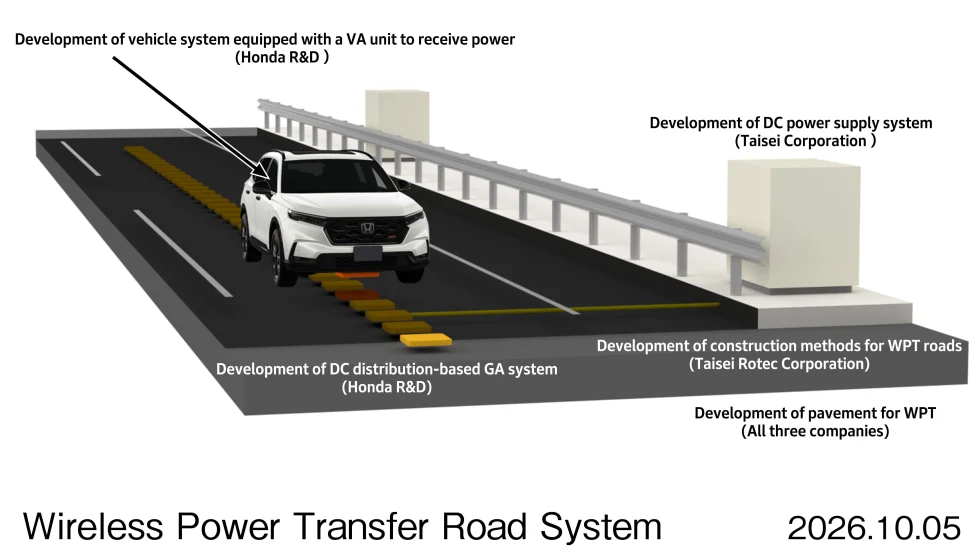
Charging In Motion
Honda has been researching wireless in-motion charging for electric vehicles since 2025, and new technology developments have put it a step closer to a final product.
Read More →
Twin Cities Stores Sell
Minnesota-based Walser Automotive Group made what it called the most significant acquisition in its history with a three-rooftop deal in Minneapolis.
Read More →
U.S. Auto Sales Still Below Prepandemic Levels
Mobility Global industry observers don’t expect the market to return to the higher volumes that became routine before Covid but to stay well below its potential.
Read More →
The Powertrain Shift
Electric-vehicle owners are backpedaling, according to new data, with product availability driving many to shift back to gas-powered engines.
Read More →
Achromatic Autos
The shades that dominate the U.S. car market don’t call attention to themselves, though grayscale may have plateaued after a 30-year upswing, research shows.
Read More →
Used-Vehicle Affordability Worsens
Listing prices in August defied seasonal trends, rising above $27,000 for the second time this year.
Read More →