


Detroit’s Automakers Reclaiming Market Share

Detroit's automakers have been losing ground in their home market since 1996, but they're halting that trend this year at the expense of their Japanese rivals.
The shift reflects big gains in the U.S. auto market by a resurgent Ford Motor Co. and a retreat by Toyota Motor Corp., bruised by a spate of recalls totaling millions of vehicles over the past year, reported The Detroit News.
This year, Ford's market share is up 1.5 points, to 16.7 percent from 15.2 percent in the first nine months of 2009.
Toyota's share has fallen to 15.2 percent from 16.6 percent over the same period.
General Motors Co.'s share has dipped to 19 percent from 19.6 percent after it shed or eliminated four brands as part of its restructuring under bankruptcy.
Chrysler Group LLC's share has edged up to 9.5 percent from 9.2 percent, helped by the successful launch of an all-new Jeep Grand Cherokee SUV.
Overall, the U.S. automakers' combined share of the American light vehicle market has risen to 45.1 percent from 43.9 percent, while the combined share of the Asian brands slipped to 46.4 percent from 47.8 percent, according to Autodata Corp.
The European brands' share is essentially flat, at 8.4 percent this year from 8.3 percent in 2009.
Forecasting firm J.D. Power and Associates estimates the U.S. automakers will end the year with the first rise in their combined market share since 1995.
That year, the U.S. automakers, excluding their foreign brands, such as Saab, held 73.1 percent of the market. But after 14 years of continuous declines, their share had shrunk to 44.1 percent in 2009.
This year, the domestics are likely to gain about a point of share, said Jeff Schuster, forecasting director at J.D. Power. "We're looking over the next two or three years for the domestics to stabilize their share" at current levels of around 45 percent, he said.
Among Japan's leading automakers, Nissan Motor Co. is the only one to have gained market share this year. Toyota was hurt by the recalls, and Honda Motor Co. also lost share. Aside from the Odyssey minivan now being launched, it didn't have any major new models, said Masaki Taketani, a Northville-based analyst at IHS Automotive.
Toyota and Honda are both preparing to launch more models in the United States, he said, while the Hyundai-Kia Automotive Group and Volkswagen AG are likely to be increasingly important forces in the market.
More Industry
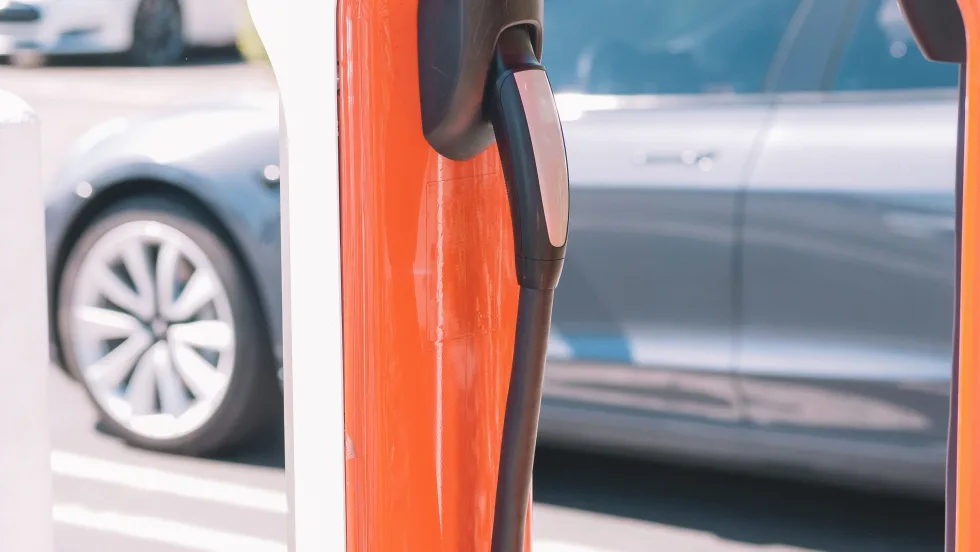
Charger Network Growth Slows
Despite a projected increase in public EV chargers in 2026, charging infrastructure remains a top concern for consumers as the gap between the most and least EV-friendly places remains substantial.
Read More →
Lenders, Consumers Take on More Auto Loan Risk
September records loosened credit access the most in over a decade as buyers took advantage of the conditions to afford trading, though loan applications fell.
Read More →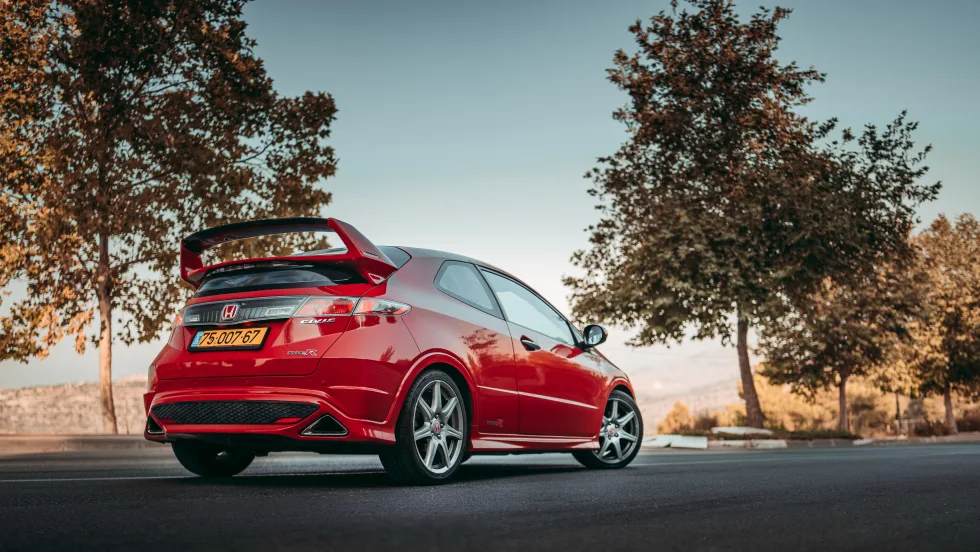
Next-Gen Hybrids in Sight
Dealerships can expect to see revamped hybrids from Honda next year as the company rolls out a new system and model lineup.
Read More →
Gem State Stores Change Hands
A larger auto group founded in the industry’s early years sold two franchises to a neighbor group that's on a growth spurt.
Read More →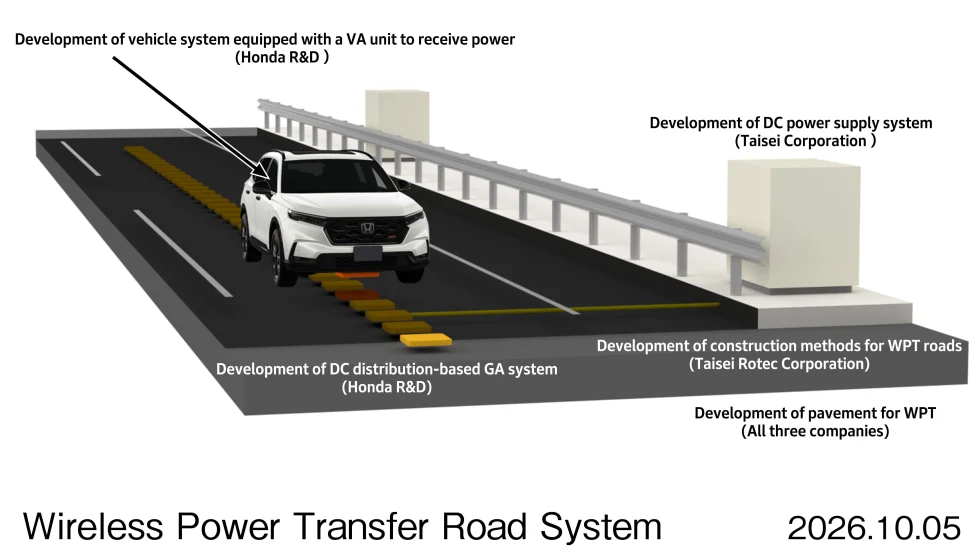
Charging In Motion
Honda has been researching wireless in-motion charging for electric vehicles since 2025, and new technology developments have put it a step closer to a final product.
Read More →
Twin Cities Stores Sell
Minnesota-based Walser Automotive Group made what it called the most significant acquisition in its history with a three-rooftop deal in Minneapolis.
Read More →
U.S. Auto Sales Still Below Prepandemic Levels
Mobility Global industry observers don’t expect the market to return to the higher volumes that became routine before Covid but to stay well below its potential.
Read More →
The Powertrain Shift
Electric-vehicle owners are backpedaling, according to new data, with product availability driving many to shift back to gas-powered engines.
Read More →
Achromatic Autos
The shades that dominate the U.S. car market don’t call attention to themselves, though grayscale may have plateaued after a 30-year upswing, research shows.
Read More →
Used-Vehicle Affordability Worsens
Listing prices in August defied seasonal trends, rising above $27,000 for the second time this year.
Read More →