


FCA Will Pay $700M to Settle Diesel Dispute
Fiat Chrysler Automobiles has agreed to pay at least $311 million in penalties and $280 million to settle lawsuits brought by the U.S. Department of Justice, the State of California, and Jeep and Ram buyers over 104,000 diesel engines regulators say illegally emitted excess emissions.

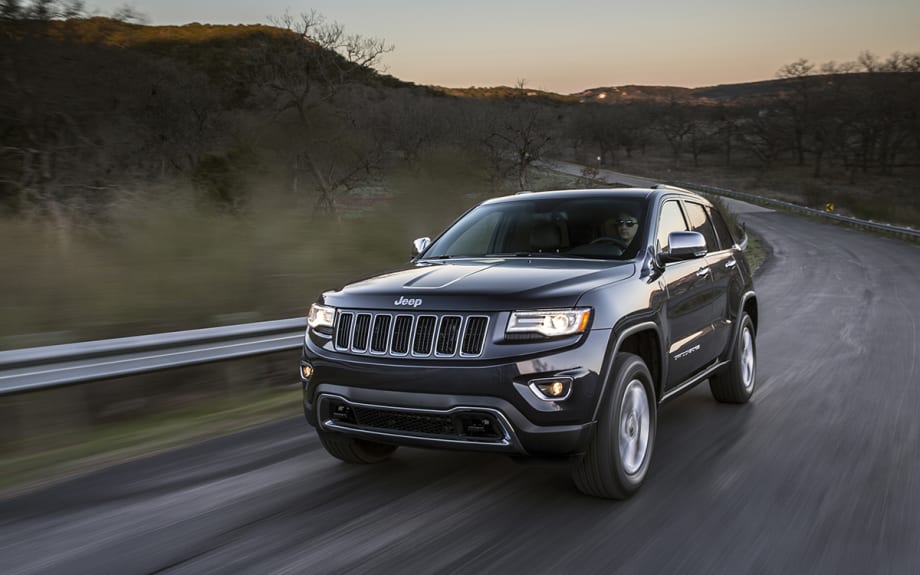
Regulators say the diesel engines in more 100,000 Jeep Grand Cherokee and Ram 1500 units sold in the U.S. in the 2014–’16 model-years used illegal software to cheat emissions standards.
Photo courtesy FCA US LLC
WASHINGTON — Fiat Chrysler Automobiles and a German auto supplier have agreed to settle claims and lawsuits concerning 3.0-liter V-6 diesel engines installed in 104,000 Jeep Grand Cherokee EcoBoost and Ram 1500 EcoBoost models sold in the U.S. in the 2014–’16 model-years.
The U.S. Department of Justice and California regulators claimed software containing illegal auxiliary controls allowed the engines to emit “substantially” greater than permitted levels of nitrogen oxide. FCA’s total liability could surpass $700 million dollars, including but not limited to:
$311 million in civil penalties to U.S. and California regulators.
$280 million to settle a lawsuit by owners, averaging out to about $2,800 each.
$105 million to fund ongoing state-level investigations and in compensation for excess emissions already released.
Another $103.5 million will be paid by German engine component supplier Robert Bosch GmbH will pay $103.5 million to regulators in 47 U.S. states and another $27.5 to settle its part of the owners’ lawsuit, according to the report.
FCA and Bosch have denied any wrongdoing. The factory updated its software and had its U.S.-sold diesel powerplants recertified in 2017.
FCA and other factories selling diesels in the United States have been under intense scrutiny since the Volkswagen emissions scandal erupted in 2015. VW has paid fines totaling more than $25 billion to U.S. regulators, car buyers, and dealers to settle claims involving at least 500,000 vehicles. In January 2018, Mercedes-Benz officially withdrew its diesels from the U.S., leaving roughly a dozen diesel-powered cars and trucks on the market heading into the 2019-MY.
This story has been updated with confirmed dollar amounts.
Originally posted on Auto Dealer Today
More Industry

First-Half Dealership Deals Up
Buy-sell activity shows that acquirers are looking for value and scale as many retailers seek to leave an increasingly competitive and complex market, Kerrigan Advisors reports.
Read More →
Kia Closes Out Summer With a Bang
Its U.S. subsidiary broke multiple records in August, in part due to a surge of demand for hybrids models.
Read More →
Indiana Dealership Changes Hands
A 30-year-old Ford dealership in Indiana has a new owner and will soon be undergoing renovations to meet manufacturer requirements.
Read More →
Texas Dealership No Longer in the Family
The Ford store, a longtime cornerstone of the Houston market, is now part of one of the fastest-growing U.S. auto groups.
Read More →
Genesis Grows California Presence
The Cardinale Automotive Group opened its third Genesis rooftop in the Golden State, Genesis of San Bruno, a stand-alone dealership serving the San Francisco Bay Area.
Read More →
August Auto Sales a Mixed Bag
An early forecast shows strong business despite consumer hurdles, and hybrids are a big piece of their affordability coping strategy.
Read More →
EV Market Humming Along
July sales show steady growth as the segment stabilizes from last year’s artificial surge following pullback of federal support.
Read More →
Auto Loan Delinquency Rates Stabilize
Auto loans are a main driver of nonmortgage consumer debt, but delinquency rates stabilized in the second quarter across all credit risk tiers.
Read More →
EV Sales Recover in Q2
The EV sales roller coaster continues as numbers show improvement, but industry experts predict a year-over-year third-quarter decline and fourth-quarter jump.
Read More →
The Cheapest Hybrids to Fuel
The powertrain is increasing in popularity, in no small part due to its fuel economy. A new report lists the most efficient hybrids on the market.
Read More →