


Feds: Police Crackdowns Reduce Driver Texting, Cell Phone Use

High-profile police efforts to crack down on driver texting and talking on hand-held cell phones deter large numbers of violations, a government report released today said.
The National Highway Traffic Safety Administration said two government-funded publicized police crackdowns in Syracuse, N.Y., and Hartford, Conn. reduced texting and cell phone use by at least a third, reported The Detroit News.
"These findings show that strong laws, combined with highly visible police enforcement, can significantly reduce dangerous texting and cell phone use behind the wheel," said U.S. Transportation Secretary Ray LaHood in a statement.
"Based on these results, it is crystal clear that those who try to minimize this dangerous behavior are making a serious error in judgment, especially when half a million people are injured and thousands more are killed in distracted driving accidents."
The results may bolster efforts by advocates of tougher efforts to crack down on distracted driving.
Nationwide, 34 states - including Michigan — and the District of Columbia have enacted texting bans.
Nine states, the District of Columbia and the Virgin Islands have prohibited all hand-held cell phone use while driving.
A total of 30 states haves barred young drivers from using any cell phone behind the wheel. Michigan hasn't imposed restrictions on driver cell phone use.
NHTSA said because of high-visibility enforcement — both hand-held cell phone use and texting behind the wheel declined by about one-third in Syracuse.
In Hartford, there was a 57 percent drop in hand-held use, and texting behind the wheel dropped by 72 percent.
Researchers initially identified drivers talking on their cell phones twice as much in Hartford as Syracuse.
LaHood, who has made cracking down on distracted driving a top priority, will be in Syracuse today to unveil the results.
NHTSA provided $200,000 for each pilot program — along with $100,000 from each state — for the stepped-up law enforcement effort coupled with high-profile public education campaigns.
The program funded four waves of efforts from April 2010 through April of this year. The study looked at driver behavior before and after each wave.
The study examined whether increased police enforcement along with paid advertising and news media coverage could reduce distracted driving.
The pilot efforts used "Phone in One Hand, Ticket in the Other" as the media campaign theme and were structured similarly to the national seat belt campaign, "Click It or Ticket."
Vernon F. Betkey, chairman of the Governors Highway Safety Association, cited the study's "encouraging results."
"The high-visibility model that has worked so well with seat belt use and drunk/drugged driving is translating well to distracted driving," he said, praising the Transportation Department and the states for their effort. "GHSA supports a federal/state partnership to combat distracted driving."
During four periods of stepped up enforcement over the past year, Syracuse Police issued 9,587 citations for driver violations involving talking or texting on cell phones while operating a vehicle.
During the same period, police in Hartford issued 9,658 tickets for illegal phone use.
Before and after each enforcement wave, NHTSA actively observed cell phone use and conducted public awareness surveys at driver licensing offices in the two cities.
"The success of these pilot programs clearly show that combining strong laws with strong enforcement can bring about a sea change in public attitudes and behavior," said NHTSA Administrator David Strickland.
GHSA said states should take low-cost roadway distracted driving countermeasures such as edge line and centerline rumble strips to alert inattentive drivers.
"Experience with similar short-term high visibility enforcement campaigns directed at impaired driving and seat belt use suggests that the effects often diminish over time unless the campaign is repeated periodically," GHSA said in a report last week.
In Hartford, the number of drivers seen talking on a cellphone fell from 6.8 percent to 2.9 percent.
The study said texting behind the wheel fell from 2.8 percent to 1.9 percent in Syracuse, while it fell from 3.9 percent to 1.1 percent in Hartford.
In 2009, nearly 5,500 fatalities and another half-million injuries resulted from crashes involving a distracted driver. Overall, distraction-related fatalities represented 16 percent of total traffic fatalities in 2009.
More Industry
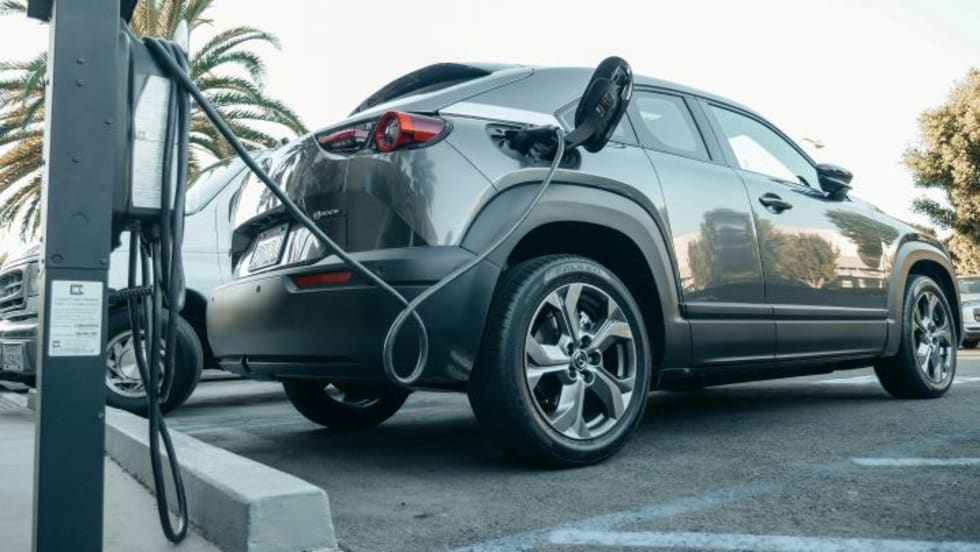
World EV Adoption Set to Grow
A new report says the segment, despite recent setbacks in some regions, is poised for acceleration as many countries look to reduce pollution.
Read More →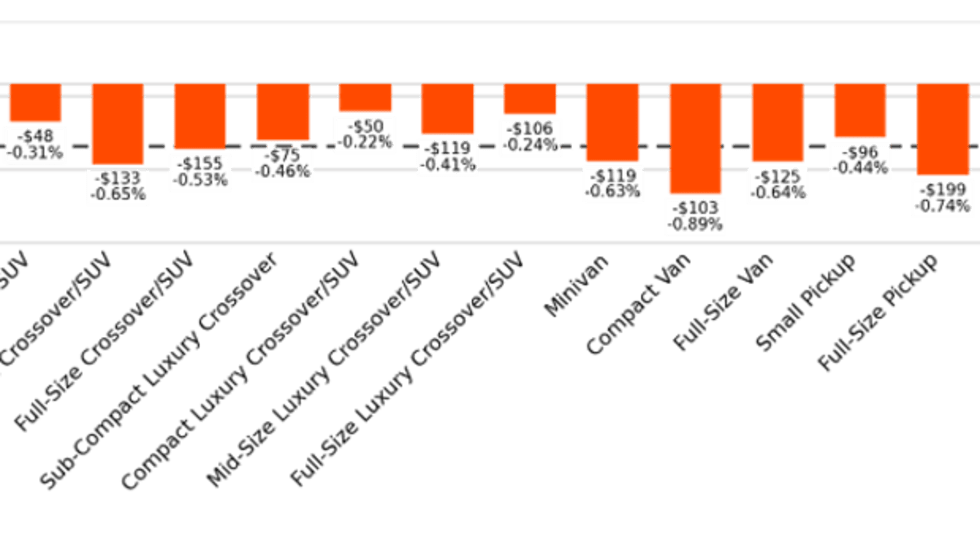
Black Book: Weekly Market Update
Wholesale automotive auction business stayed steady last week as bidders encountered lower prices, analysts observed.
Read More →
Pricing Transparency Drives Purchase Consideration
An annual study by JD Power found that clear pricing matters to consumers on automaker websites, so much so that it increases their purchase consideration.
Read More →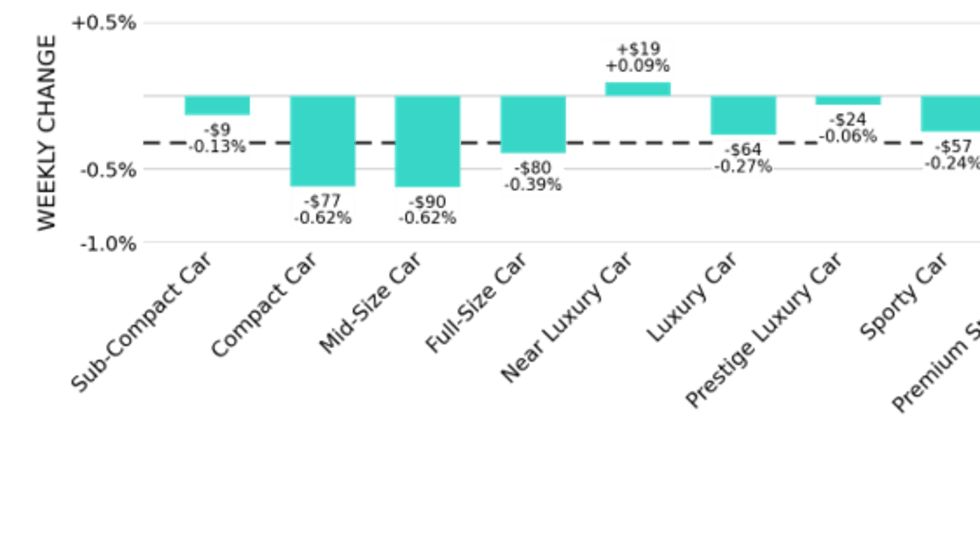
Black Book: Weekly Market Update
Used-vehicle market depreciation was the prevailing story in the wholesale market last week.
Read More →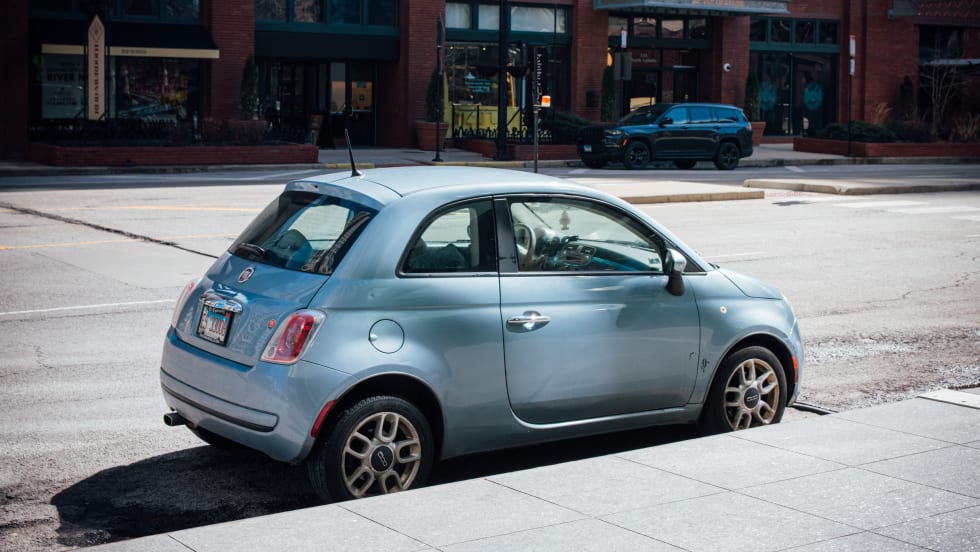
Smaller Is Looking Better
A growing number of Americans in the market for a new vehicle are opting for more affordable options, not waiting for market stability to bite the bullet.
Read More →
U.S. EV Market Slowly Stabilizes
U.S. electric-vehicle interest is slowly stabilizing since a major dip in sales after last year's end of the federal EV tax credit, and hybrids remain the leading electrified power train.
Read More →
Global EV Market Entering New Phase
Automakers are making investments to lower battery costs and optimize production to meet changing consumer needs.
Read More →
Black Book Weekly Market Update
The holiday weekend, not surprisingly, put a drag on wholesale automotive activity last week, analysts observed.
Read More →
Auto Affordability in Context
Cox Automotive points out the complex circumstances that have led to eye-popping vehicle prices.
Read More →
Black Book: Weekly Market Update
Automotive auction inventory increased last week, giving choosy bidders even more leeway.
Read More →