


Ford and Heinz Exploring Car Parts Made of Tomato Fiber

Ford and Heinz have a juicy idea: They are exploring using tomato fibers for car parts, reported Detroit Free Press.
The corporate giants are collaborating on replacing petrochemicals in plastic parts with sustainable materials made of tomato fibers. They are testing the fibers’ durability for use in vehicle wiring brackets and storage bins.
The bio-friendly composite uses dried tomato skins.
“We are exploring whether this food processing byproduct makes sense for an automotive application,” said Ellen Lee, plastics research technical specialist for Ford. “Our goal is to develop a strong, lightweight material that meets our vehicle requirements, while at the same time reducing our overall environmental impact.”
In an effort started almost two years ago. Ford is working with Heinz, Coca-Cola, Nike and Procter & Gamble on research into plant-based plastics for car parts.
Heinz researchers approached Ford when they were looking to recycle peels, stems and seeds from 2 million tons of tomatoes used annually to make ketchup.
“We are delighted that the technology has been validated,” said Vidhu Nagpal, a Heinz packaging director. “Although we are in the very early stages, and many questions remain, we are excited about the possibilities this could produce and the advancement of sustainable 100% plant-based plastics.”
Ford founder Henry Ford experimented in the use of soybeans. The automaker continues to recycle nonmetal and bio-based materials.
There are now eight bio-based materials in various areas of its vehicles, including cellulose fiber-reinforced console components and rice hull-filled electrical cowl brackets introduced in the last year. Ford also has coconut-based composite materials, recycled cotton for carpeting and seat fabrics, and soy foam seat cushions and head restraints.
Other automakers also have bio-solutions. More than a decade ago, Daimler harvested coconuts in Brazil’s rainforests for headliners and other parts in its Freightliner trucksbuilt in Sao Paulo, Brazil.
More Industry
The Powertrain Shift
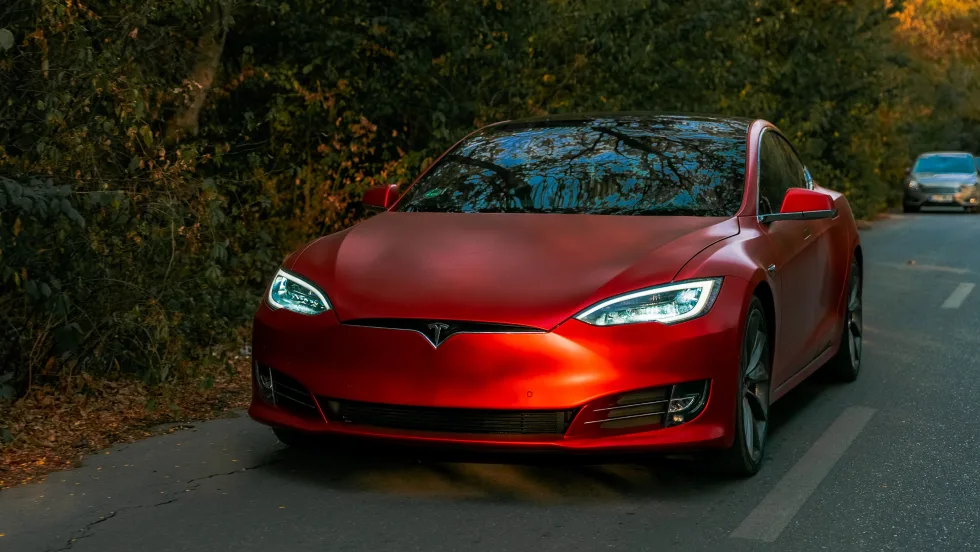
Electric-vehicle owners are backpedaling, according to new data, with product availability driving many to shift back to gas-powered engines.
Read More →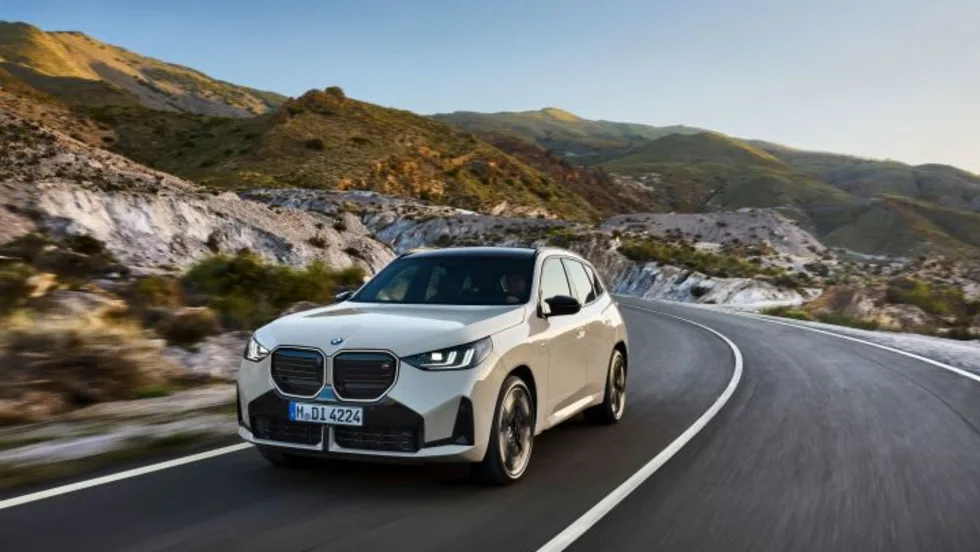
Achromatic Autos
The shades that dominate the U.S. car market don’t call attention to themselves, though grayscale may have plateaued after a 30-year upswing, research shows.
Read More →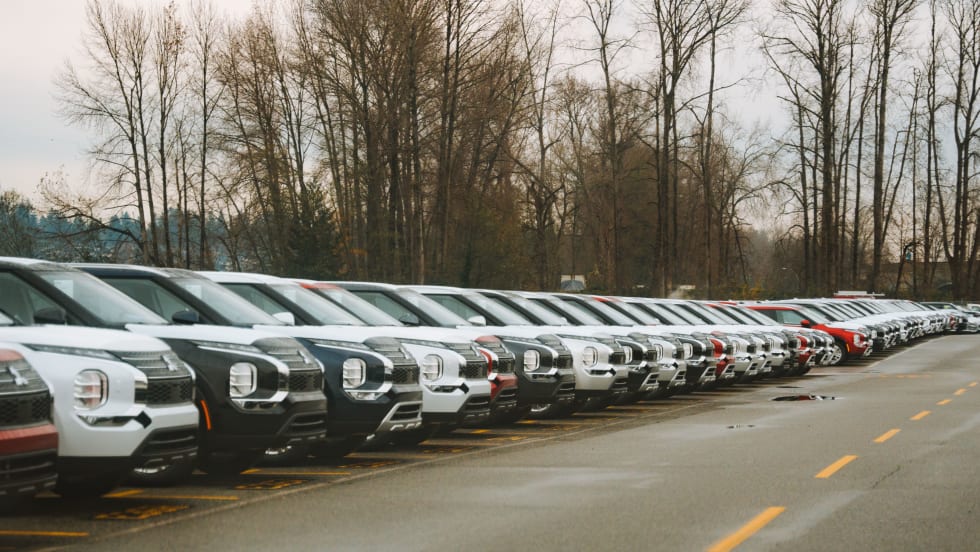
Used-Vehicle Affordability Worsens
Listing prices in August defied seasonal trends, rising above $27,000 for the second time this year.
Read More →
First-Half Dealership Deals Up
Buy-sell activity shows that acquirers are looking for value and scale as many retailers seek to leave an increasingly competitive and complex market, Kerrigan Advisors reports.
Read More →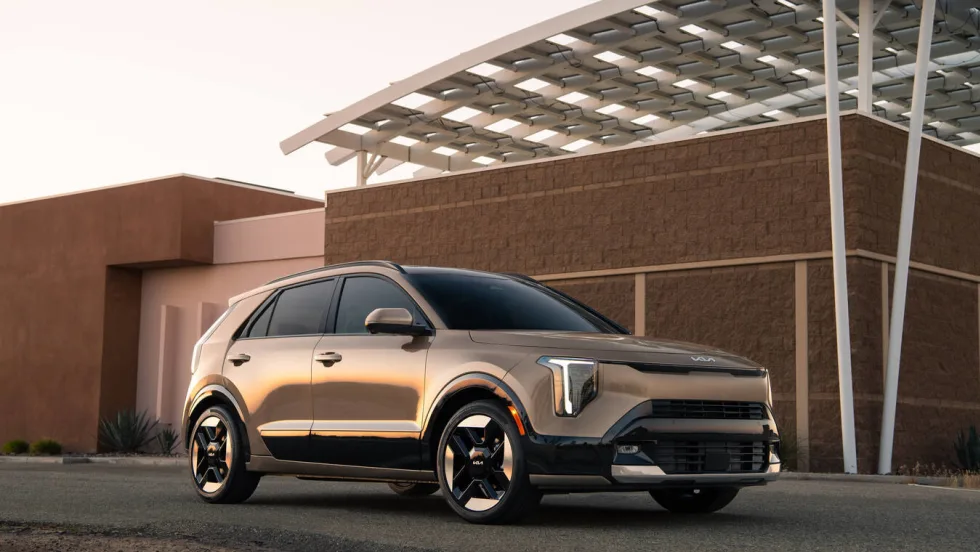
Kia Closes Out Summer With a Bang
Its U.S. subsidiary broke multiple records in August, in part due to a surge of demand for hybrids models.
Read More →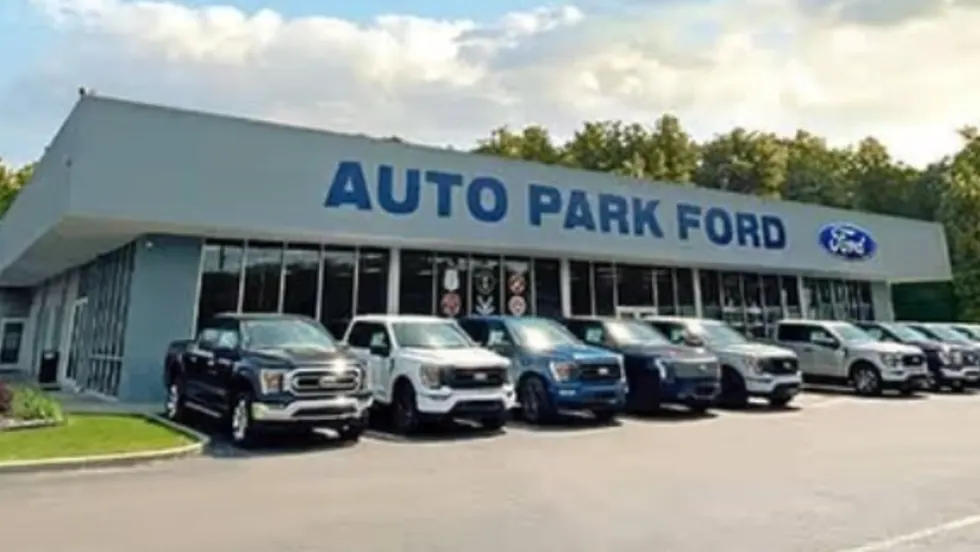
Indiana Dealership Changes Hands
A 30-year-old Ford dealership in Indiana has a new owner and will soon be undergoing renovations to meet manufacturer requirements.
Read More →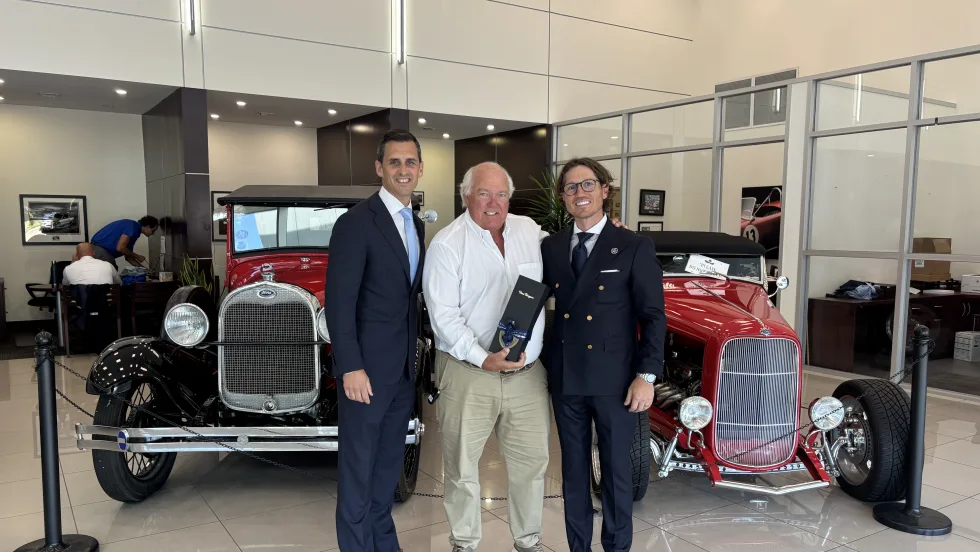
Texas Dealership No Longer in the Family
The Ford store, a longtime cornerstone of the Houston market, is now part of one of the fastest-growing U.S. auto groups.
Read More →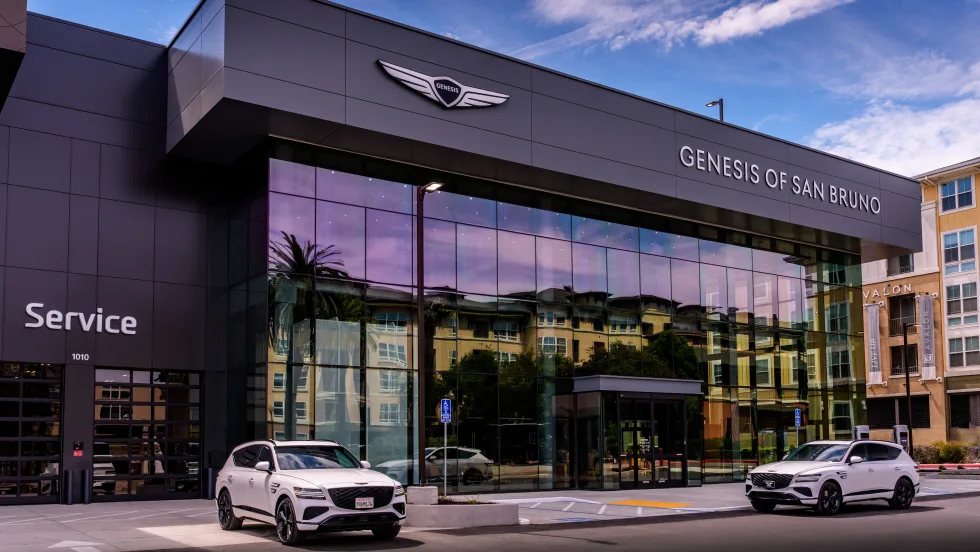
Genesis Grows California Presence
The Cardinale Automotive Group opened its third Genesis rooftop in the Golden State, Genesis of San Bruno, a stand-alone dealership serving the San Francisco Bay Area.
Read More →
August Auto Sales a Mixed Bag
An early forecast shows strong business despite consumer hurdles, and hybrids are a big piece of their affordability coping strategy.
Read More →
EV Market Humming Along
July sales show steady growth as the segment stabilizes from last year’s artificial surge following pullback of federal support.
Read More →