


Ford Quarterly Profit May Decline Before Negotiations With UAW Commence

Ford Motor Co., poised to begin negotiations with the United Auto Workers, may report lower second-quarter profit tomorrow on rising costs for commodities and developing new vehicles.
Profit excluding some items may have dropped to 61 cents a share, according to the average of 14 analysts’ estimates, from 68 cents a year earlier. Ford formally begins talks this week with the UAW, which says workers should share more in Ford’s turnaround. Last year was Ford’s most profitable since 1999, reported Bloomberg.
Industrywide U.S. vehicle sales slowed in the quarter because of costlier cars and shortages after the March 11 tsunami in Japan. Chief Executive Officer Alan Mulally is raising prices for Fiesta subcompacts and Explorer sport-utility vehicles to offset some of the $4 billion in higher costs for commodities, advertising and new-product development.
“For Ford, the question is can you sustain the price discipline as the Japanese manufacturers come back?” Itay Michaeli, a New York-based analyst at Citigroup Inc., said in a phone interview. Michaeli rates Ford “buy” and predicts second-quarter profit of 60 cents a share.
U.S. auto sales slowed to a seasonally adjusted annual rate of 12.1 million in the second quarter from a 13.1 million pace in the prior three months, according to Autodata Corp., as Toyota Motor Corp. and Honda Motor Co. deliveries tumbled.
Second-quarter profit will be equal or “slightly lower” than in the first quarter, when Ford earned $2.78 billion before taxes, Controller Bob Shanks said last month at an investor conference in Chicago.
Ford has said it wants to further lower labor costs, which it estimates are $8 an hour higher than the mostly non-union factories of foreign automakers and Chrysler Group LLC, which began its labor negotiations with the UAW today.
UAW President Bob King said in a July 22 interview in Southfield, Michigan, that the union will not be granting concessions.
“No way,” King said. “It would be the wrong thing to do to talk about concessions, they’re not needed today. The way that Ford can make up that cost gap really quickly is to grow market share and open up more facilities.”
Hourly workers at Chrysler and General Motors Co., as part of U.S-backed bankruptcies in 2009, agreed not to strike over wages and benefits during this year’s contract talks. Ford didn’t seek a U.S. bailout and UAW members at the automaker rejected the strike ban and arbitration.
King has said workers must be rewarded for the $7,000 to $30,000 in concessions they gave since 2005 to help U.S. automakers survive. The UAW’s contracts expire on Sept. 14.
The cost of developing new models and improving the Ford and Lincoln brand images will add $2 billion to Dearborn, Michigan-based Ford’s structural costs this year, Shanks said. Ford’s commodity costs may rise by another $2 billion.
Earnings from the Ford Credit finance unit this year will be $1.1 billion less because of changes in lease depreciation and credit-loss reserves, Ford said April 26.
Ford forecast a smaller year-over-year production increase in the second quarter than the 14 percent gain through March. North American output in the second quarter may rise 8.7 percent to 710,000 units, and production may fall in all other regions from the year-earlier period, Ford said.
Earnings in Europe may “deteriorate” from the first quarter on a 10 percent sequential drop in production and “competitive” promotional activity in the region, Joseph Amaturo, a New York-based analyst at Buckingham Research Group, said in a July 13 research note. Ford reported an operating profit of $293 million in Europe for the first quarter.
Ford fell 14 cents to $13.17 at 4 p.m. in New York Stock Exchange composite trading. The shares have declined 22 percent this year after a 68 percent gain in 2010.
Investors are concerned that Ford’s “product cadence” is peaking and that pricing may weaken, Peter Nesvold, a Jefferies & Co. analyst in New York, wrote in a July 14 research note.
“We think the new Ford Escape can move the needle meaningfully,” said Nesvold, who has a “buy” rating on Ford. “It seems to us that the stock is ascribing a very low probability on Ford’s ability to continue to get price.”
The average price U.S. buyers paid for Ford’s models rose 6 percent in April and 4 percent in May, George Pipas, Ford’s sales analyst, said on the company’s monthly sales conference calls. Ford’s average transaction price increase exceeded the industry’s in June, Pipas said July 1, without giving specifics.
Ford’s average spending on U.S. discounts and promotions through June declined 14 percent from a year earlier to $2,551, according to Woodcliff Lake, New Jersey-based Autodata. Industrywide incentive spending fell by 11 percent to an average of $2,437 per vehicle sold.
A new labor agreement with the UAW that “does not meaningfully erode” Ford’s financial and operating ability could contribute to an upgrade to the automaker’s credit rating, Fitch Ratings said in July 6 report.
“Although Fitch expects all three Detroit automakers will seek to tie compensation more closely with profitability, the negotiations are likely to be difficult, and labor costs could rise with the ratification of a new agreement,” Stephen Brown, a Chicago-based analyst at Fitch, wrote in the report, which also named labor talks as one of its rating risks.
Ford may achieve investment-grade ratings by 2012, Eric Selle, a JPMorgan Chase & Co. debt analyst in New York, said in May. Ford is rated two levels below investment grade by Moody’s Investors Service and Fitch, and three levels below by Standard & Poor’s.
More Industry

First-Half Dealership Deals Up
Buy-sell activity shows that acquirers are looking for value and scale as many retailers seek to leave an increasingly competitive and complex market, Kerrigan Advisors reports.
Read More →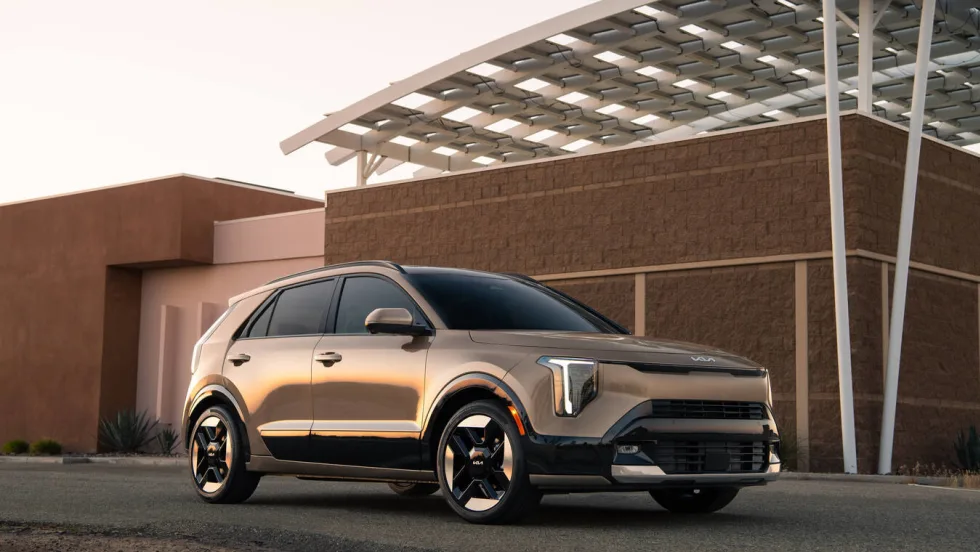
Kia Closes Out Summer With a Bang
Its U.S. subsidiary broke multiple records in August, in part due to a surge of demand for hybrids models.
Read More →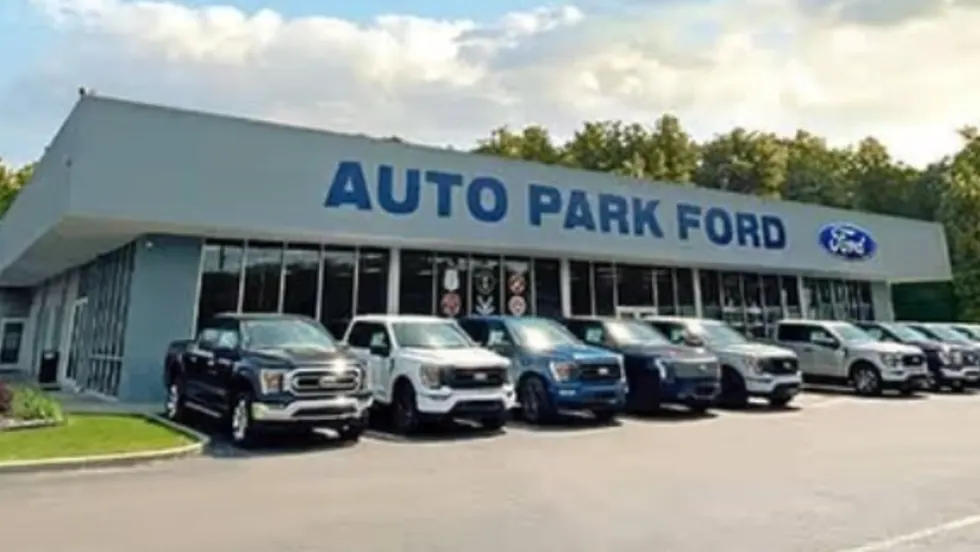
Indiana Dealership Changes Hands
A 30-year-old Ford dealership in Indiana has a new owner and will soon be undergoing renovations to meet manufacturer requirements.
Read More →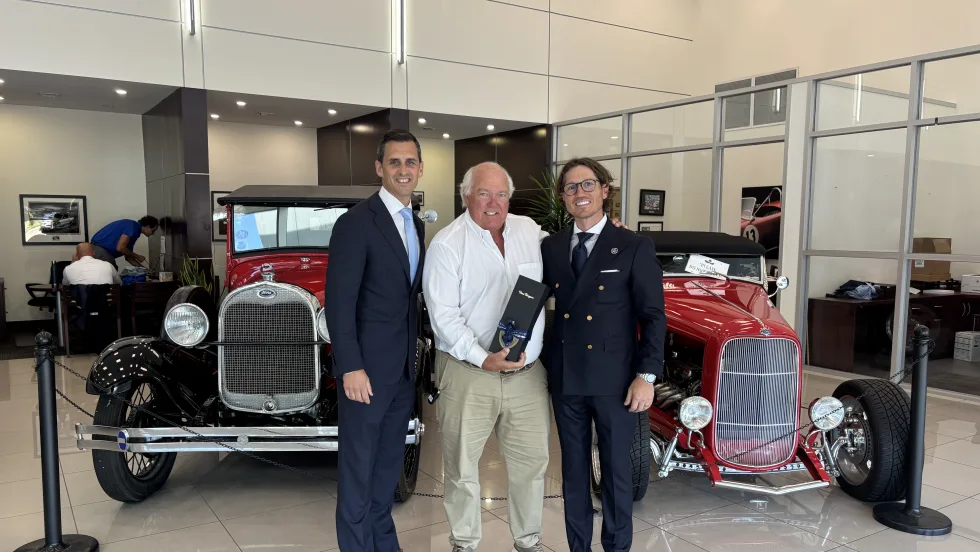
Texas Dealership No Longer in the Family
The Ford store, a longtime cornerstone of the Houston market, is now part of one of the fastest-growing U.S. auto groups.
Read More →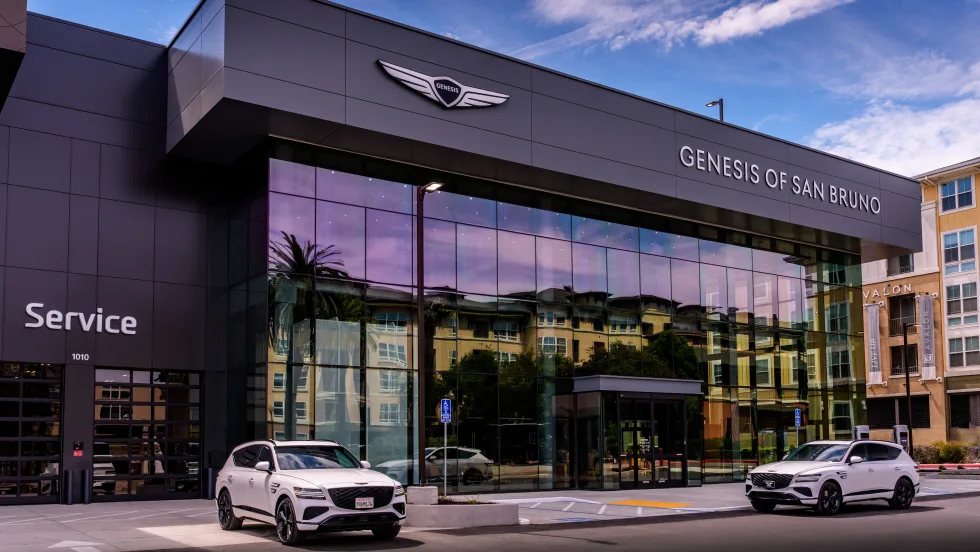
Genesis Grows California Presence
The Cardinale Automotive Group opened its third Genesis rooftop in the Golden State, Genesis of San Bruno, a stand-alone dealership serving the San Francisco Bay Area.
Read More →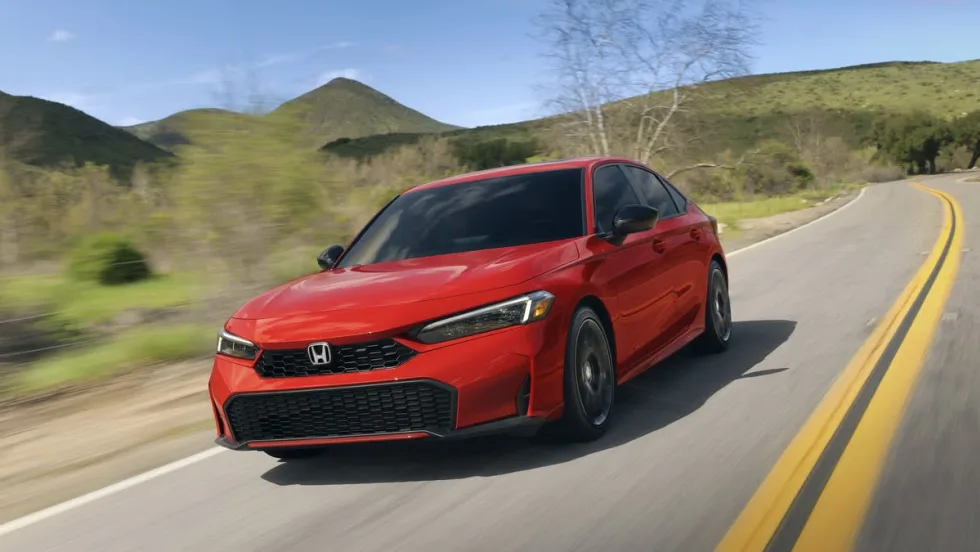
August Auto Sales a Mixed Bag
An early forecast shows strong business despite consumer hurdles, and hybrids are a big piece of their affordability coping strategy.
Read More →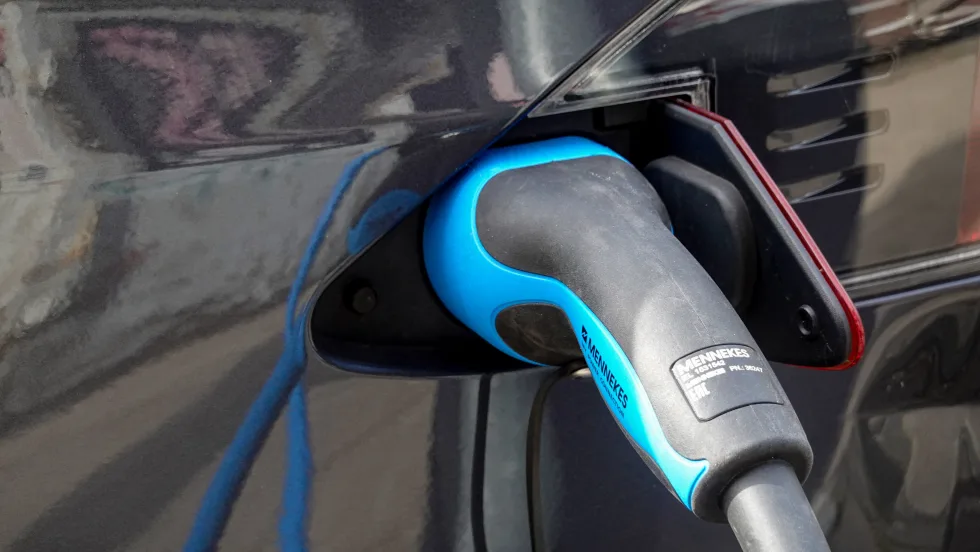
EV Market Humming Along
July sales show steady growth as the segment stabilizes from last year’s artificial surge following pullback of federal support.
Read More →
Auto Loan Delinquency Rates Stabilize
Auto loans are a main driver of nonmortgage consumer debt, but delinquency rates stabilized in the second quarter across all credit risk tiers.
Read More →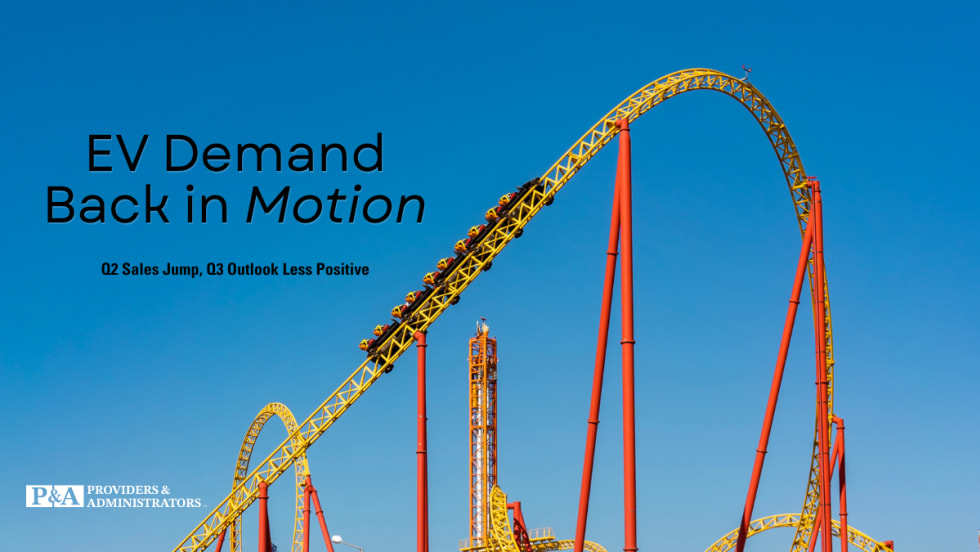
EV Sales Recover in Q2
The EV sales roller coaster continues as numbers show improvement, but industry experts predict a year-over-year third-quarter decline and fourth-quarter jump.
Read More →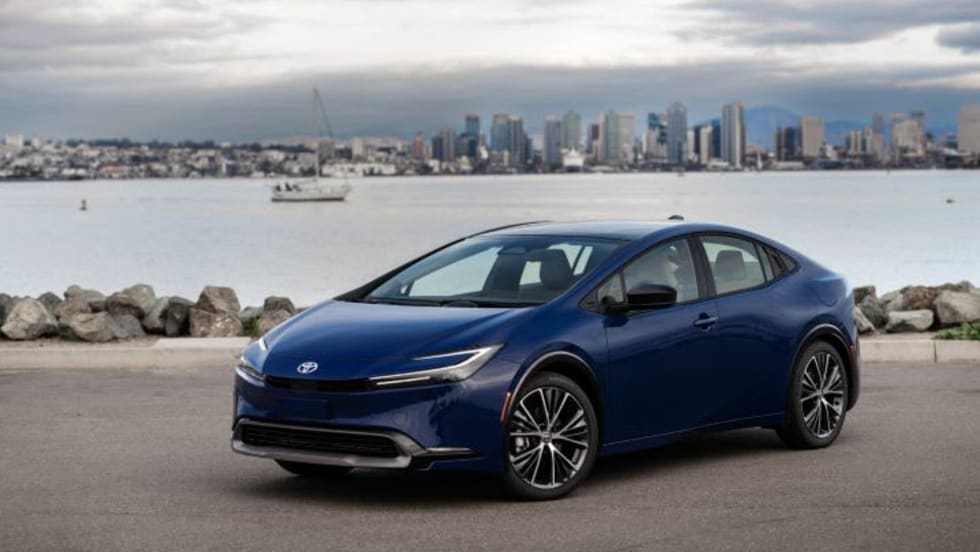
The Cheapest Hybrids to Fuel
The powertrain is increasing in popularity, in no small part due to its fuel economy. A new report lists the most efficient hybrids on the market.
Read More →