


Ford Says It Won't Grant Raises to Salaried Workers This Year

Ford Motor Co., the world’s most profitable automaker, told salaried workers today they won’t receive raises this year, saying their compensation is commensurate with other large U.S. companies.
Ford won’t offer merit pay increases to its salaried employees because they are on par with companies such as General Motors Co., Pfizer Inc. and Boeing Co., Marcey Evans, a company spokeswoman, said in an interview today. Ford restored raises to its 20,000 U.S. salaried employees last year and will pay bonuses this year, Evans said.
Ford earned $6.37 billion in the first nine months of 2010, the most since 1998 and more than any other automaker. The Dearborn, Michigan-based company will report 2010 net income of $8.2 billion, the average estimate of three analysts surveyed by Bloomberg. New models like the Fiesta subcompact and the redesigned Taurus helped Ford boost U.S. sales 17 percent last year, more than the industry’s 11 percent gain.
“The economic recovery remains fragile and our competitors are becoming more aggressive,” Mark Fields, Ford’s president of the Americas, told salaried employees in a memo today. “In our most recent review of our salaried compensation against these benchmark companies, Ford base salaries in the U.S. and Canada were found to be competitive. Consequently, we are announcing there will be no 2011 merit pay increases for salaried employees.”
Ford, the only major U.S. automaker to avoid bankruptcy, is slated to negotiate a new contract with the United Auto Workers union this year for its 41,000 U.S. hourly employees. The UAW filed a grievance against Ford last year when it reinstated salaried raises, accusing the automaker of violating a promise of “equality of sacrifice” between hourly and white-collar workers.
That grievance is still being processed, said Evans, who declined to comment further on the matter.
More Industry
Charger Network Growth Slows
Despite a projected increase in public EV chargers in 2026, charging infrastructure remains a top concern for consumers as the gap between the most and least EV-friendly places remains substantial.
Read More →
Lenders, Consumers Take on More Auto Loan Risk
September records loosened credit access the most in over a decade as buyers took advantage of the conditions to afford trading, though loan applications fell.
Read More →
Next-Gen Hybrids in Sight
Dealerships can expect to see revamped hybrids from Honda next year as the company rolls out a new system and model lineup.
Read More →
Gem State Stores Change Hands
A larger auto group founded in the industry’s early years sold two franchises to a neighbor group that's on a growth spurt.
Read More →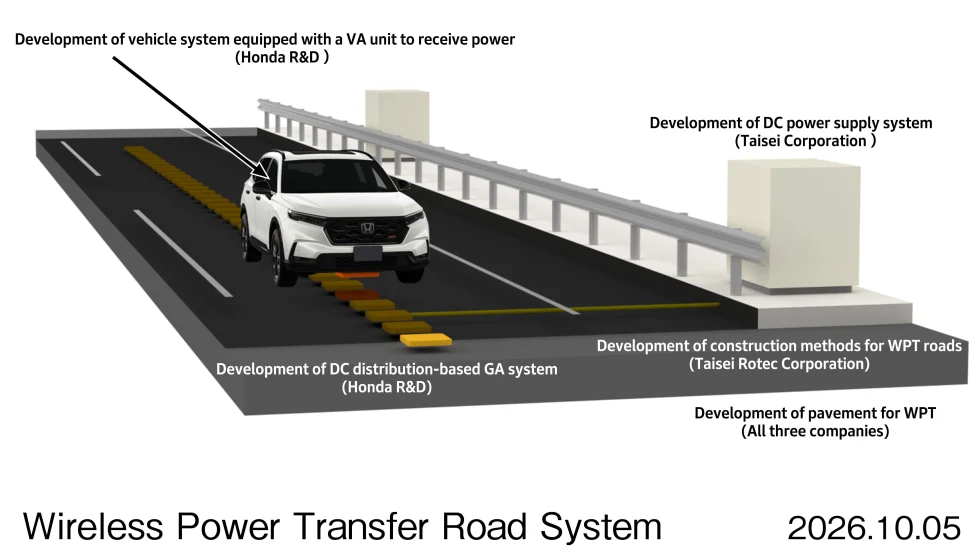
Charging In Motion
Honda has been researching wireless in-motion charging for electric vehicles since 2025, and new technology developments have put it a step closer to a final product.
Read More →
Twin Cities Stores Sell
Minnesota-based Walser Automotive Group made what it called the most significant acquisition in its history with a three-rooftop deal in Minneapolis.
Read More →
U.S. Auto Sales Still Below Prepandemic Levels
Mobility Global industry observers don’t expect the market to return to the higher volumes that became routine before Covid but to stay well below its potential.
Read More →
The Powertrain Shift
Electric-vehicle owners are backpedaling, according to new data, with product availability driving many to shift back to gas-powered engines.
Read More →
Achromatic Autos
The shades that dominate the U.S. car market don’t call attention to themselves, though grayscale may have plateaued after a 30-year upswing, research shows.
Read More →
Used-Vehicle Affordability Worsens
Listing prices in August defied seasonal trends, rising above $27,000 for the second time this year.
Read More →