


Ford Second-Quarter Profit Beats Estimates

Ford Motor Co., poised to begin negotiations with the United Auto Workers, said second-quarter profit fell less than estimates as buyers paid more for models such as the Fiesta subcompact.
Net income fell to $2.4 billion from $2.6 billion a year earlier, Dearborn, Michigan-based Ford said today in a statement. Excluding some items, profit was 65 cents a share, beating the 61-cent average of 14 analysts’ estimates compiled by Bloomberg. Sales climbed 1.4 percent to $35.5 billion even after last year’s sale of Volvo Cars.
Ford is set to begin contract talks this week with the UAW to close a gap in labor costs with rivals. Chief Executive Officer Alan Mulally raised prices for Fiesta and Explorer sport-utility vehicles to offset some of the $4 billion in higher costs that Ford expects this year, including manufacturing spending.
“This wasn’t the easiest of quarters,” Lewis Booth, Ford’s Chief Financial Officer, told reporters today in Dearborn. In North America and Europe, “demand was a little bit weaker in both markets versus the first quarter” because of Europe’s debt crisis and supply constraints in North America.
Shares rose 25 cents, or 1.9 percent, to $13.42 before the start of regular trading.
Pretax profit in Ford’s European operations plunged 45 percent to $176 million. While the results compared unfavorably to a year earlier when the company was rebuilding inventories after government programs to scrap older vehicles, the figures were “well in-line with our planning,” Booth said.
Industrywide U.S. light-vehicle sales slowed to a seasonally adjusted annual rate of 12.1 million in the second quarter from 13.1 million in the prior three months, according to Autodata Corp. The March 11 earthquake and tsunami in Japan reduced supply of vehicles and parts.
Ford’s U.S. deliveries rose 9 percent to 1.07 million in the first half, trailing the industry’s 13 percent gain. The 9 percent figure includes year-ago sales of Volvo vehicles.
“We’re looking at it being a rough ride for the rest of this year not just for Ford, but for the industry as a whole,” Stephen Spivey, an analyst at Frost & Sullivan Inc. in San Antonio, said in a phone interview before results were released.
Ford raised prices three times and lowered discounts more than the industry average in their home market during the first half, according to Woodcliff Lake, New Jersey-based Autodata. Higher prices boosted global revenue by $1.1 billion, the company said.
Mulally, 65, is betting U.S. consumers will switch from larger vehicles to more fuel-efficient cars such as the Fiesta and pay more for amenities such as heated leather seats as gasoline prices rise. Regular unleaded gas has exceeded $3.50 a gallon in the U.S. since March, according to AAA.
The cost of developing new models and improving the Ford and Lincoln brand images will add $2 billion to the company’s structural costs this year. Ford also reiterated its forecast for commodity costs to rise by another $2 billion.
“There are various kinds of initial hits to the bottom line as you’re bringing out new product, but if it’s done right you make that up on the back end,” Stephen Brown, a Chicago- based analyst at Fitch Ratings, said in a phone interview before results were released.
In 2008, Ford’s sales plunged when gas prices peaked at $4.11 a gallon and damped demand for the automaker’s pickups and SUVs. Ford had $30.1 billion in losses from 2006 through 2008, before earning $9.28 billion in the last two years.
Ford shares have declined 22 percent this year through yesterday after a 68 percent gain in 2010.
Ford’s second-quarter sales of $35.5 billion topped nine analysts’ average estimate for $32.1 billion.
The automaker boosted North American production for the quarter by 8.7 percent percent to 710,000 cars and trucks, in line with its forecast on April 26. Pretax profit for the region rose less that 1 percent percent to $1.91 billion.
Ford forecast a 7.5 percent increase to third-quarter production to 630,000 units in North America, according to today’s statement. Worldwide output will rise 7.3 percent to 1.35 million.
Ford maintained its for full-year industrywide U.S. sales of 13 million to 13.5 million vehicles, including medium-and heavy-duty trucks.
“We probably feel closer to the bottom end of that, but we’re still expecting to see some recovery in the second half as availability of product from all manufacturers becomes better,” Booth said.
Profit in Ford’s credit operations will fall by about $1.1 billion this year because of changes in lease depreciation and credit-loss reserves, repeating a previous forecast, the company said. Ford reiterated its forecast that the unit will distribute about $3 billion to the parent company this year.
Ford Credit distributed $1 billion to the parent company in the second quarter, bringing first-half contributions to $1.9 billion.
Ford’s automotive operations had $22 billion in cash on June 30, up from $21.3 billion on March 31. The company, which reduced debt by $14.5 billion last year, cut automotive debt to $14 billion on June 30, from $16.6 billion on March 31.
Ford has more debt than rivals because it borrowed more than $23 billion in late 2006 before credit markets froze, allowing it to avoid the bailouts and bankruptcies that befell the predecessors of General Motors Co. and Chrysler Group LLC in 2009.
More Industry

First-Half Dealership Deals Up
Buy-sell activity shows that acquirers are looking for value and scale as many retailers seek to leave an increasingly competitive and complex market, Kerrigan Advisors reports.
Read More →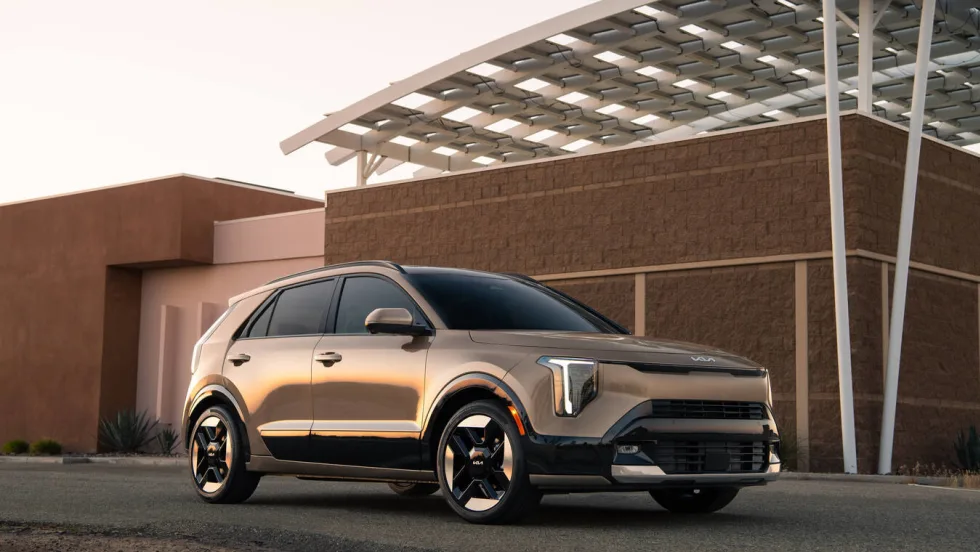
Kia Closes Out Summer With a Bang
Its U.S. subsidiary broke multiple records in August, in part due to a surge of demand for hybrids models.
Read More →
Indiana Dealership Changes Hands
A 30-year-old Ford dealership in Indiana has a new owner and will soon be undergoing renovations to meet manufacturer requirements.
Read More →
Texas Dealership No Longer in the Family
The Ford store, a longtime cornerstone of the Houston market, is now part of one of the fastest-growing U.S. auto groups.
Read More →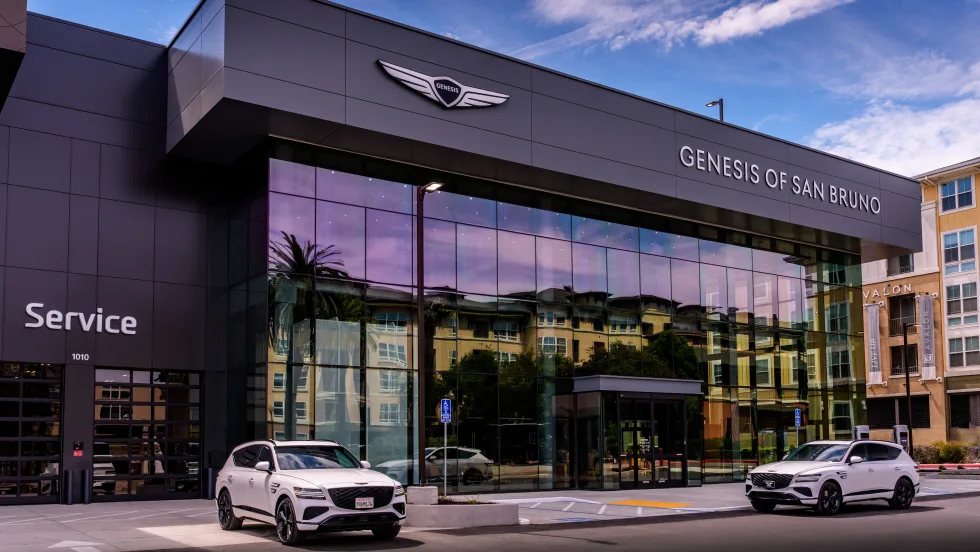
Genesis Grows California Presence
The Cardinale Automotive Group opened its third Genesis rooftop in the Golden State, Genesis of San Bruno, a stand-alone dealership serving the San Francisco Bay Area.
Read More →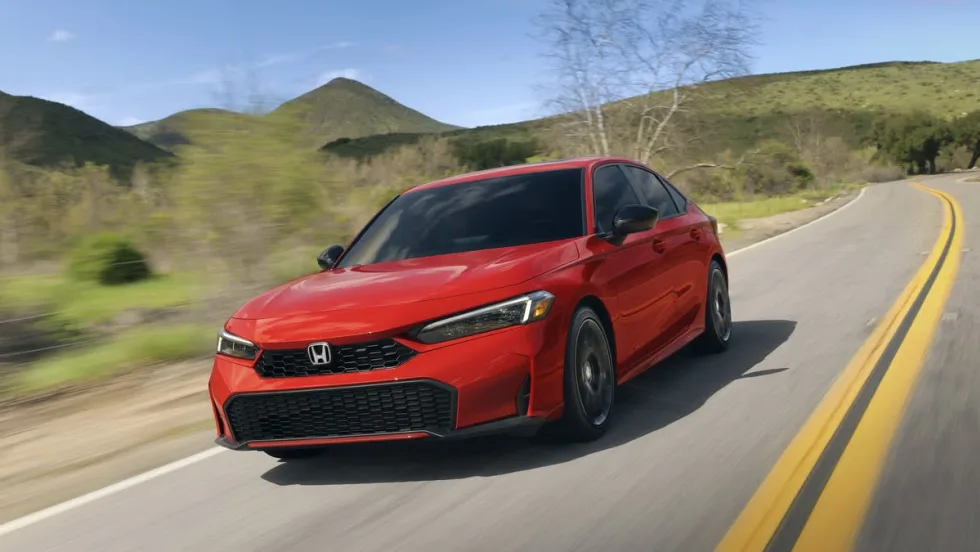
August Auto Sales a Mixed Bag
An early forecast shows strong business despite consumer hurdles, and hybrids are a big piece of their affordability coping strategy.
Read More →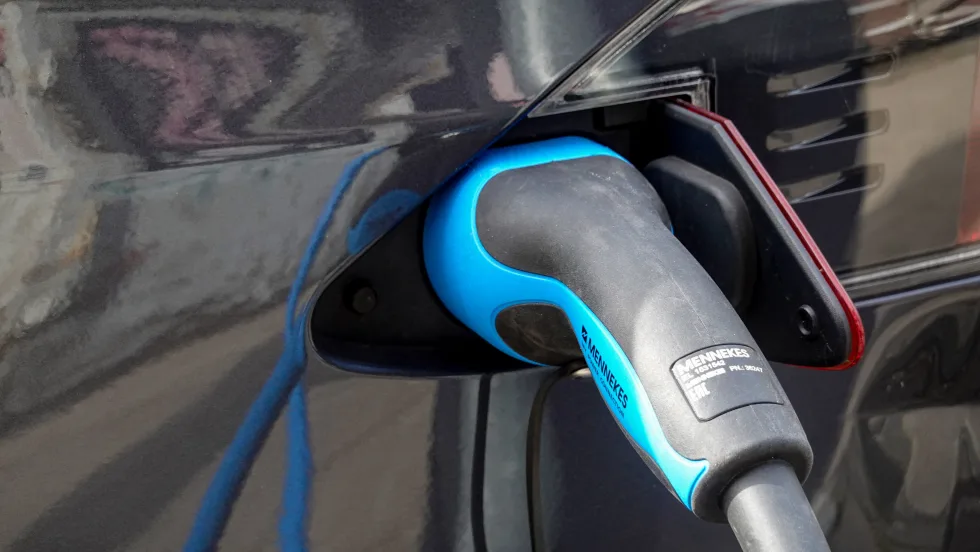
EV Market Humming Along
July sales show steady growth as the segment stabilizes from last year’s artificial surge following pullback of federal support.
Read More →
Auto Loan Delinquency Rates Stabilize
Auto loans are a main driver of nonmortgage consumer debt, but delinquency rates stabilized in the second quarter across all credit risk tiers.
Read More →
EV Sales Recover in Q2
The EV sales roller coaster continues as numbers show improvement, but industry experts predict a year-over-year third-quarter decline and fourth-quarter jump.
Read More →
The Cheapest Hybrids to Fuel
The powertrain is increasing in popularity, in no small part due to its fuel economy. A new report lists the most efficient hybrids on the market.
Read More →