


Ford's Drive to Ditch 'Junk'

For the past 12 months, Ford Motor Co. has been on a campaign to lift its credit rating out of "junk" territory and get back to investment grade. Judging by the way bond investors view the company, it's just about there.
The interest rate Ford is paying bondholders is half what it was last year, a sign that investors regard the car maker as stronger financially. And a type of insurance investors can buy on Ford debt costs less than it does for most other companies with similar subpar ratings, reported The Wall Street Journal.
That is a boon to the company since it means Ford is paying less on its borrowings and can put the money to other uses. Ford's high level of debt and debt payments has been a concern for investors for years.
"Investors in general think we're closer to investment grade, or credit us better than where the rating agencies see us," Ford Treasurer Neil Schloss said in an interview.
Ford's improved lending conditions come as the company could be on the cusp of reporting a record-breaking quarter Tuesday. Analysts expect it to report a profit of $1.37 billion, or 38 cents a share, for the third quarter, based on a Thomson Reuters survey. The analysts estimate revenue at $29.09 billion.
In the year's first half, the company reported earnings of $4.6 billion. That profit alone would make this year the best Ford has had since 1999, when it earned $7.2 billion.
Ford first lost its investment grade rating in May 2005, but recently the company has been on an upswing.
Earlier this month, Moody's Investors Service upgraded Ford's rating by two levels. Standard & Poor's Rating Services has put the company on a positive outlook, implying it could raise its rating, but still gave the post-bankrupt General Motors Co. a higher rating than Ford in part because of GM's lower debt and more cash on hand.
Investors, however, look at Ford favorably. Consider its credit-default swaps, a type of insurance on Ford's debt.
At the beginning of the year, it cost $350,000 per year for five years to insure $10 million of Ford Credit's debt, according to J.P. Morgan Chase. In September, that cost fell to $280,000 and it is now quoted at $254,000, the lowest point in five years and approaching the levels of investment-grade corporations.
"While there are certainly challenges to be addressed before Ford can regain investment-grade status, the momentum is largely positive," Kathleen Shanley, a senior analyst at Gimme Credit, said by e-mail. A lower cost of credit-default swaps "tends to anticipate formal rating-agency upgrades."
Ford's ability to make money even as the car market has been sputtering has "been the most impressive thing about Ford," said Stephen Brown, a senior director at Fitch Inc., another credit-rating company.
Ford's sales have been outpacing the industry's recovery. And it has lowered costs drastically, in part by almost halving its work force since 2005.
In another sign of Ford's improved standing, the company is the top issuer of consumer loan-backed bonds so far this year, according to Royal Bank of Scotland.
Investors' renewed appetite for Ford has helped it reduce its funding costs. In August 2009, Ford Credit issued debt at a 13% yield. Last month, it sold $1 billion of five-year notes at 5.75%, according to company officials.
Ford Chief Financial Officer Lewis Booth said that planning a return to investment grade is "an understandable rallying cry within the business. But at the same time we have to continue to invest in new product and we have to continue to invest in growth."
Ford was in a better position than GM and Chrysler Group LLC to weather the recession because it borrowed $23.5 billion in 2006. Last year, while GM and Chrysler were heading into bankruptcy, Ford was able to draw down $10.1 billion from a revolving credit line to fund its operations.
But that borrowing also led to Ford's high debt. This year, with the industry recovering, Ford made a priority of paring down that borrowing and is expected to show more progress in Tuesday's report.
In the second quarter Ford retired $7 billon in debt, using profit generated by its North American operations and credit arm. As of June 30, Ford's overall automotive debt totaled $27.3 billion, down from $34.3 billion at the end of the first quarter.
In August, Ford completed the sale of Volvo Car Corp. to a Chinese auto maker, netting about $1.8 billion. Half the proceeds are expected to go to pay down debt. The company is now contemplating reducing its stake in Mazda Motor Co. of Japan, which could further improve its balance sheet.
More Industry

Charger Network Growth Slows
Despite a projected increase in public EV chargers in 2026, charging infrastructure remains a top concern for consumers as the gap between the most and least EV-friendly places remains substantial.
Read More →
Lenders, Consumers Take on More Auto Loan Risk
September records loosened credit access the most in over a decade as buyers took advantage of the conditions to afford trading, though loan applications fell.
Read More →
Next-Gen Hybrids in Sight
Dealerships can expect to see revamped hybrids from Honda next year as the company rolls out a new system and model lineup.
Read More →
Gem State Stores Change Hands
A larger auto group founded in the industry’s early years sold two franchises to a neighbor group that's on a growth spurt.
Read More →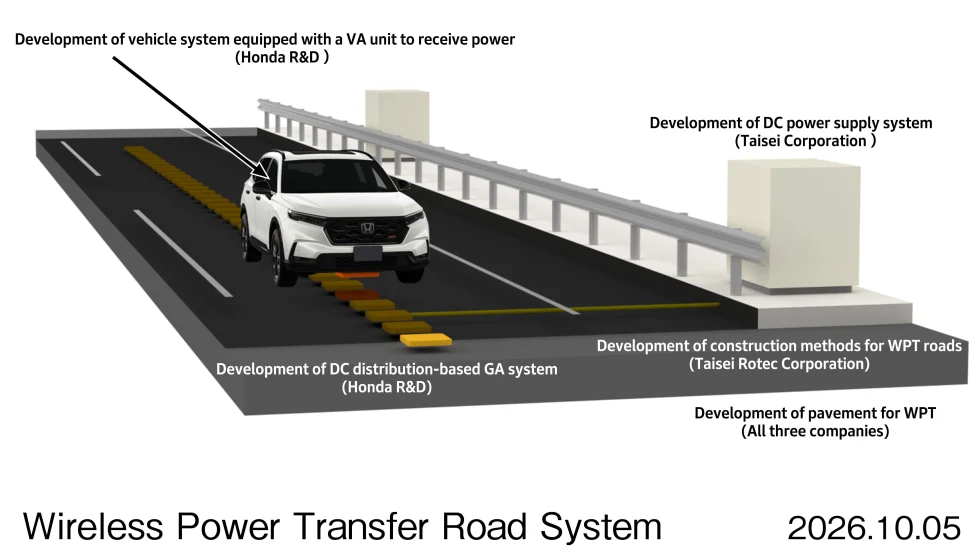
Charging In Motion
Honda has been researching wireless in-motion charging for electric vehicles since 2025, and new technology developments have put it a step closer to a final product.
Read More →
Twin Cities Stores Sell
Minnesota-based Walser Automotive Group made what it called the most significant acquisition in its history with a three-rooftop deal in Minneapolis.
Read More →
U.S. Auto Sales Still Below Prepandemic Levels
Mobility Global industry observers don’t expect the market to return to the higher volumes that became routine before Covid but to stay well below its potential.
Read More →
The Powertrain Shift
Electric-vehicle owners are backpedaling, according to new data, with product availability driving many to shift back to gas-powered engines.
Read More →
Achromatic Autos
The shades that dominate the U.S. car market don’t call attention to themselves, though grayscale may have plateaued after a 30-year upswing, research shows.
Read More →
Used-Vehicle Affordability Worsens
Listing prices in August defied seasonal trends, rising above $27,000 for the second time this year.
Read More →