


General Motors Gains in NYSE Return After IPO Raises $20 Billion

General Motors Co., which went bankrupt last year after almost a century on the New York Stock Exchange, advanced in its return to public trading following an initial public offering that raised more than $20 billion.
GM gained 3.6 percent to $34.19 today, after climbing 9.1 percent in the first hour of trading. Its owners, including the Treasury, sold $15.8 billion of common shares at $33 each in the second-largest U.S. IPO on record. The automaker’s $4.35 billion offering of preferred shares and an overallotment option may boost the total to $23.1 billion, more than the $22.1 billion raised by Beijing-based Agricultural Bank of China Ltd. in the biggest IPO of common stock in history.
The offering by GM came 16 months after it emerged from bankruptcy and brings Chief Executive Officer Dan Akerson closer to his goal of returning the $49.5 billion the automaker received in a taxpayer bailout last year. The Treasury, which will get as much as $13.6 billion from the IPO, will have to sell its remaining GM shares at an average of about $53 each to make back its total investment, Bloomberg data show.
“You want to have some improvement, because that shows there was strong demand for the shares,” said Peter Jankovskis, who helps manage $2.2 billion as co-chief investment officer at Oakbrook Investments LLC in Lisle, Illinois. “But the bigger that jump, it’s really a sign that the offering left some money on the table. That’s a very large deal in dollar terms.”
More than 458 million GM shares changed hands in the automaker’s first day of trading, more than any other U.S. IPO since at least 1994, data compiled by Bloomberg show.
GM, Lehman
GM, whose predecessor was listed on the NYSE on Dec. 20, 1916, according to the exchange’s website, started trading today under the ticker GM. The Detroit-based automaker was listed on the Toronto Stock Exchange under the ticker GMM.
General Motors Corp. filed for Chapter 11 bankruptcy protection on June 1, 2009, after the failure of New York-based Lehman Brothers Holdings Inc. in September 2008 froze credit markets and helped cause the longest recession since the Great Depression.
GM’s owners sold 478 million shares of common stock yesterday for $33 each, trailing behind only San Francisco-based Visa Inc.’s record $19.7 billion U.S. IPO in March 2008, according to data compiled by Bloomberg.
The Treasury needed to sell all of the GM shares it held at an average price of $43.67 to break even on its investment. That would require its remaining 500 million shares to be sold at $53.07 each, data compiled by Bloomberg show.
Treasury’s Stake
“We will only get our money back if we are very patient and if GM performs very well,” said Joe Phillippi, principal of consulting firm AutoTrends Inc. in Short Hills, New Jersey. “GM will really have to hit the ball out of the park in the next couple of years.”
The Treasury offered about 358.5 million shares in the IPO, 95 million more shares than initially planned, and the United Auto Workers’ retiree health-care trust sold 89 million, according to GM’s regulatory filings. The U.S. government may sell an additional 53.8 million shares in the overallotment option, while the UAW trust may offer 13.35 million more.
Overall, the $15.8 billion sale of common shares raised almost 50 percent more than the $10.6 billion that GM initially sought, data compiled by Bloomberg show.
“It’s more of an art than a science in trying to find a sweet spot between supply and demand,” GM’s Akerson said today in an interview on Bloomberg Television. “We have a very high- quality shareholder base. That is all very positive.”
‘Important Step’
The IPO would lower the Treasury’s stake to 37 percent, or 33 percent with the overallotment option, from 61 percent, the filings showed. The UAW trust’s holdings would drop to 14 percent, or 13 percent with the option, from 20 percent.
GM’s IPO “is an important step in the turnaround of the company and for our work to recover taxpayer dollars and exit this investment as soon as practicable,” Treasury Secretary Timothy F. Geithner said in a statement. “It is now widely recognized that the taxpayers’ investment not only helped save jobs during the worst economic crisis in a generation but also gave the auto industry a solid foundation on which to build.”
While the Treasury increased the number of shares it had originally planned to sell, Canada and Ontario left their portion of the offering unchanged. Canada will recover more of its investment in the bailout than if it sold more shares in the IPO if GM shares rise. GM boosted its offering price to as much as $33 on Nov. 16, from $26 to $29.
Relative Value
Canada and Ontario contributed a combined $10.6 billion to the GM bailout, of which $1.1 billion has been repaid. The two were selling 30.4 million shares in the IPO to decrease their stake to as low as 9.3 percent.
At $33 a share, GM was valued at 7.8 times this year’s earnings, based on its net income in the first nine months of 2010. Dearborn, Michigan-based Ford Motor Co. also trades at 7.8 times analysts’ estimates for 2010 profit, the data show. Ford has been the world’s most profitable automaker this year through September.
GM, which lost $82 billion from 2005 to 2008, was valued at an average of 10.3 times profit from 2000 through 2004, monthly data compiled by Bloomberg show. Ford traded at an average of 13 times earnings in the same period.
GM reported third-quarter net income of $2.16 billion last week, bringing its earnings this year to $4.77 billion. While the company will have positive earnings before interest and taxes in the fourth quarter, they will be “significantly lower” than the first three quarters of the year, Akerson said on a Nov. 10 conference call.
‘Underappreciated Story’
The automaker sold shares after the Standard & Poor’s 500 Index rose to a two-year high this month on speculation the U.S. economy won’t slip back into a recession. The benchmark gauge for U.S. equity rallied 1.5 percent today after snapping its longest losing streak since August yesterday.
“GM is an underappreciated story,” said Dan Veru, co- chief investment officer at Palisade Capital Management LLC in Fort Lee, New Jersey, which oversees $3.1 billion. “The stock is going to work its way into the mid-$40s.”
Shanghai-based SAIC Motor Corp., GM’s partner in China, bought a 0.97 percent stake in GM for $500 million, the Chinese automaker said in a statement today. The Kuwait Investment Authority may acquire a stake of 1 percent or less, a person familiar with the deal said this week.
The Dealmakers
Morgan Stanley, JPMorgan Chase & Co., Bank of America Corp. and Citigroup Inc. led the IPO that included 35 underwriters, which shared $118.3 million in fees for the sale of common shares, according to a GM filing with the Securities and Exchange Commission. Barclays Plc, Credit Suisse Group AG, Deutsche Bank AG, Goldman Sachs Group Inc. and Royal Bank of Canada were also listed in the prospectus.
“GM spread a lot of love across the market,” said Frederic Dickson, the Lake Oswego, Oregon-based chief investment strategist at D.A. Davidson & Co., which oversees $28 billion. “It was in everybody’s best interest to have it be a successful deal, but not too successful. It appeared to accomplish that.”
More Industry
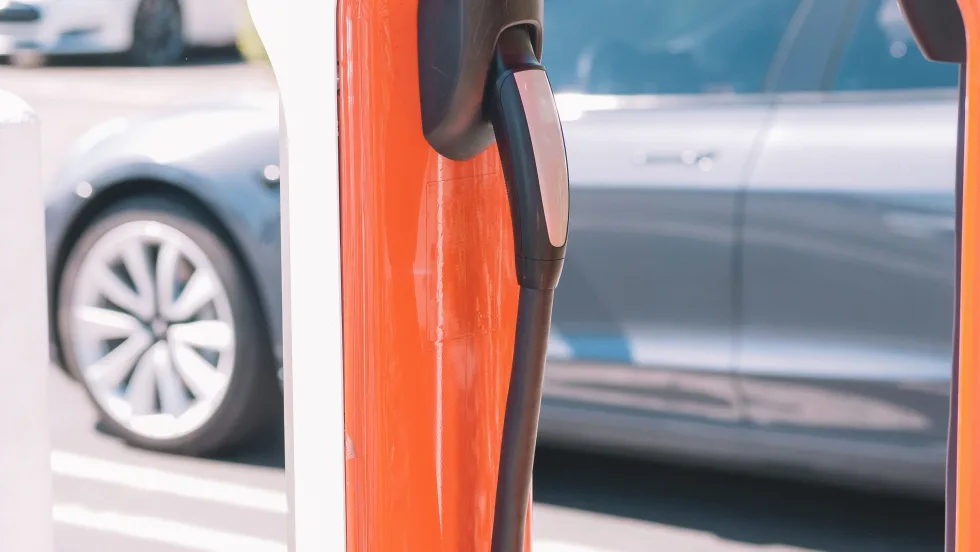
Charger Network Growth Slows
Despite a projected increase in public EV chargers in 2026, charging infrastructure remains a top concern for consumers as the gap between the most and least EV-friendly places remains substantial.
Read More →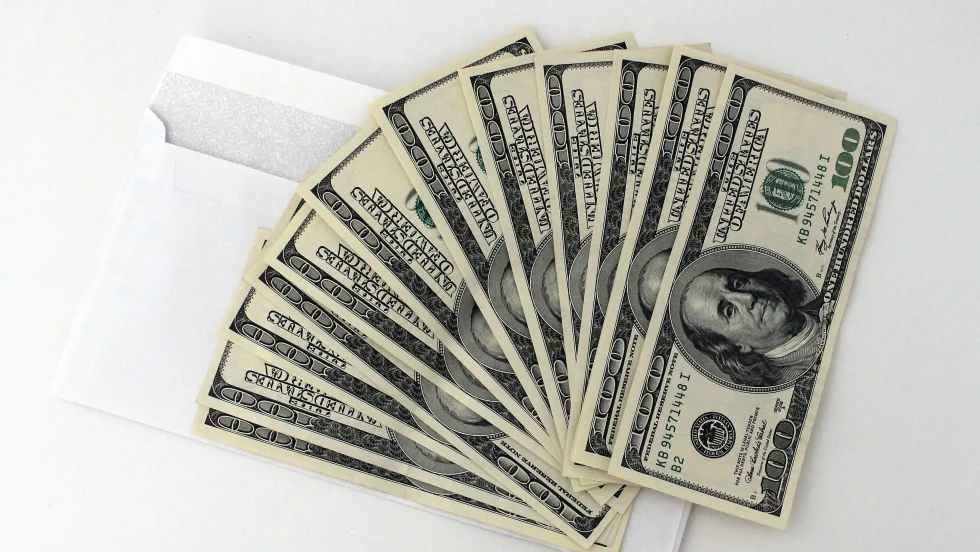
Lenders, Consumers Take on More Auto Loan Risk
September records loosened credit access the most in over a decade as buyers took advantage of the conditions to afford trading, though loan applications fell.
Read More →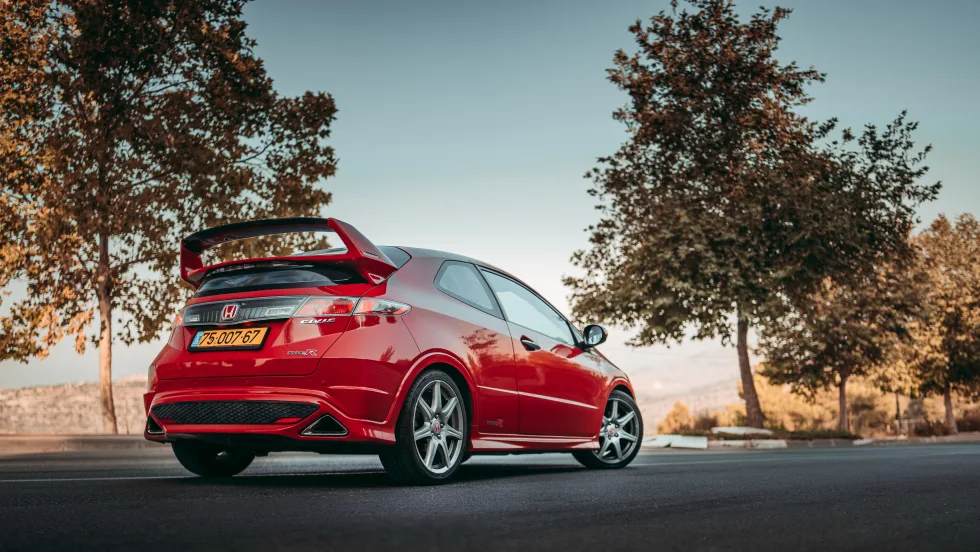
Next-Gen Hybrids in Sight
Dealerships can expect to see revamped hybrids from Honda next year as the company rolls out a new system and model lineup.
Read More →
Gem State Stores Change Hands
A larger auto group founded in the industry’s early years sold two franchises to a neighbor group that's on a growth spurt.
Read More →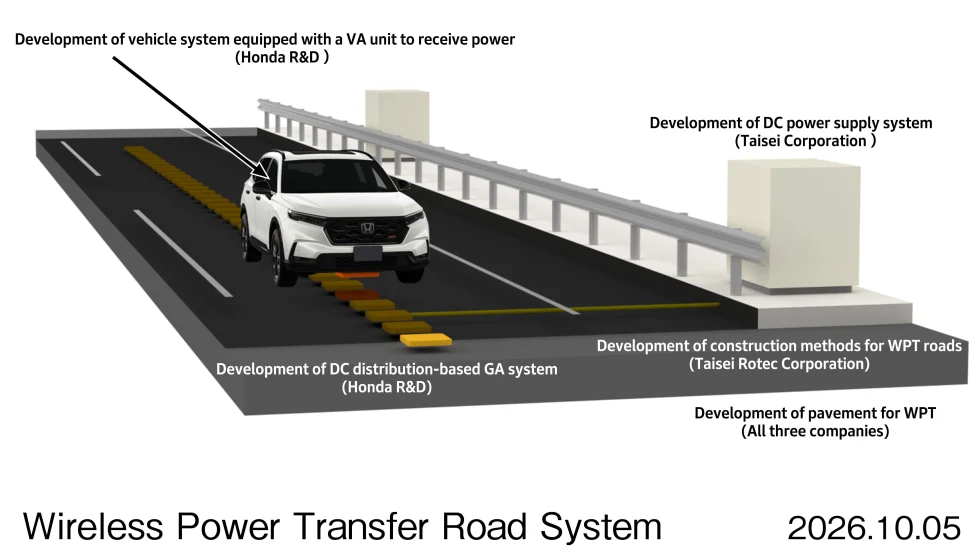
Charging In Motion
Honda has been researching wireless in-motion charging for electric vehicles since 2025, and new technology developments have put it a step closer to a final product.
Read More →
Twin Cities Stores Sell
Minnesota-based Walser Automotive Group made what it called the most significant acquisition in its history with a three-rooftop deal in Minneapolis.
Read More →
U.S. Auto Sales Still Below Prepandemic Levels
Mobility Global industry observers don’t expect the market to return to the higher volumes that became routine before Covid but to stay well below its potential.
Read More →
The Powertrain Shift
Electric-vehicle owners are backpedaling, according to new data, with product availability driving many to shift back to gas-powered engines.
Read More →
Achromatic Autos
The shades that dominate the U.S. car market don’t call attention to themselves, though grayscale may have plateaued after a 30-year upswing, research shows.
Read More →
Used-Vehicle Affordability Worsens
Listing prices in August defied seasonal trends, rising above $27,000 for the second time this year.
Read More →