


G.M. Inquiry Cites Years of Neglect Over Fatal Defect

Warren, MI — A sweeping internal investigation of General Motors released on Thursday condemned the company for its decade-long failure to fix a deadly safety defect, one that led to “devastating consequences,” including at least 13 deaths, reported The New York Times.
The report, written by the former United States attorney Anton R. Valukas, set off the dismissal of 15 G.M. employees, including a vice president for regulatory affairs and a senior lawyer responsible for product liability cases, and forced broad changes in how the company handles vehicle safety.
The report illustrates in unsparing detail how employees across departments neglected for years to repair a defect and issue a recall, despite a mountain of evidence that lives were at risk.
“Although everyone had responsibility to fix the problem, nobody took responsibility,” Mr. Valukas wrote.
A chastened Mary T. Barra, G.M.’s chief executive, described the report as “deeply troubling” in a meeting with more than 1,000 employees at the company’s sprawling technical center in the Detroit suburb of Warren.
“For those of us who have dedicated our lives to this company, it is enormously painful to have our shortcomings laid out so vividly,” said Ms. Barra, who has worked at G.M. for more than 30 years. “I was deeply saddened and disturbed as I read the report.”
Yet the report cleared Ms. Barra and her top lieutenants, like Michael Millikin, the general counsel, of any wrongdoing in the long-delayed recall. And there was no evidence of a deliberate cover-up of the switch problems, according to Mr. Valukas.
“It seems like the best report money can buy,” said Senator Richard Blumenthal, Democrat of Connecticut, who had been highly critical of Ms. Barra at a hearing in April. “It absolves upper management, denies deliberate wrongdoing and dismisses corporate culpability.”
Mr. Valukas’s three-month investigation included a review of millions of documents and interviews with at least 230 people, many of whom were employees directly involved in G.M.’s failure to fix a faulty ignition switch that could cause vehicles to lose power and deactivate air bags.
Since February, G.M. has recalled 2.6 million Chevrolet Cobalts and other small cars to fix the defect, which the company so far links to 13 deaths and 54 accidents.
But Ms. Barra admitted that the tally of deaths, injuries and crashes could grow in the weeks ahead, as the compensation expert Kenneth R. Feinberg prepares a report on how G.M. will make restitution to accident victims and their families.
Ms. Barra said the company had dismissed 15 employees as a result of the report, and disciplined five others — highly unusual in an industry where such purges have been rare. She declined to provide details about the actions, but said that more than half of those who left the company held senior-level positions.
Among them were Michael J. Robinson, a vice president for global regulatory affairs, and William Kemp, a top lawyer who oversaw product-related litigation, according to a person briefed on the moves.
Those dismissed also included two safety executives, Gay Kent and Carmen Benavides, as well as two midlevel engineers, Raymond DeGiorgio and Gary Altman, both of whom had previously been suspended for neglecting to address the switch problem in its early stages.
“I never want to put this behind us,” Ms. Barra told employees. “I want to keep this painful experience in our collective memories.”
The report offered an extraordinary window into a company where employees avoided responsibility with a “G.M. salute” — arms crossed and pointing fingers at others — and the “G.M. nod,” which Ms. Barra described in the report as “the nod as an empty gesture.” The report also lays bare a bureaucracy that appeared to stun Mr. Valukas. “The Cobalt ignition switch passed through an astonishing number of committees,” he wrote. “But determining the identity of any actual decision-maker was impenetrable.”
The investigation also documents how G.M. kept many internal discussions secret because of legal ramifications. “A number of G.M. employees reported they did not take notes at all at critical safety meetings because they believed G.M. lawyers did not want notes taken,” the report said.
The defective switch — a tiny part hidden inside the steering column of the recalled vehicles — has already taken an immense toll on the company’s finances and reputation.
Since the switch recall, G.M. has issued dozens of additional recalls to fix various problems on vehicles throughout its product lineup. The company has set aside $1.7 billion to pay for the repairs, appointed a new executive to supervise vehicle safety and begun a wide-ranging shake-up of its engineering department.
Still, G.M.’s most delicate task lies ahead — arriving at the exact number of fatalities and injuries caused by the faulty switch, and compensating the victims.
Those decisions, Ms. Barra and another senior executive, Daniel Ammann, told reporters, would be left up to Mr. Feinberg, as well as the amount of money that G.M. would pay for individual deaths and injuries.
Mr. Feinberg said Thursday that he hoped to complete his recommendations for the compensation program within a few weeks, and to be prepared to receive claims from victims and their families in August.
“I have already drafted some preliminary compensation ideas and plan to share them in confidence over the next few weeks with lawyers, public interest groups, G.M. and others interested in the compensation program,” he said.
G.M. has not released the names of any accident victims, citing a desire to protect their privacy. But some family members of victims, as well as people injured in crashes, have spoken out.
Candice Anderson was driving a Saturn Ion equipped with a defective switch in 2004 when it crashed in Texas, killing her boyfriend, Gene Erickson.
More Industry
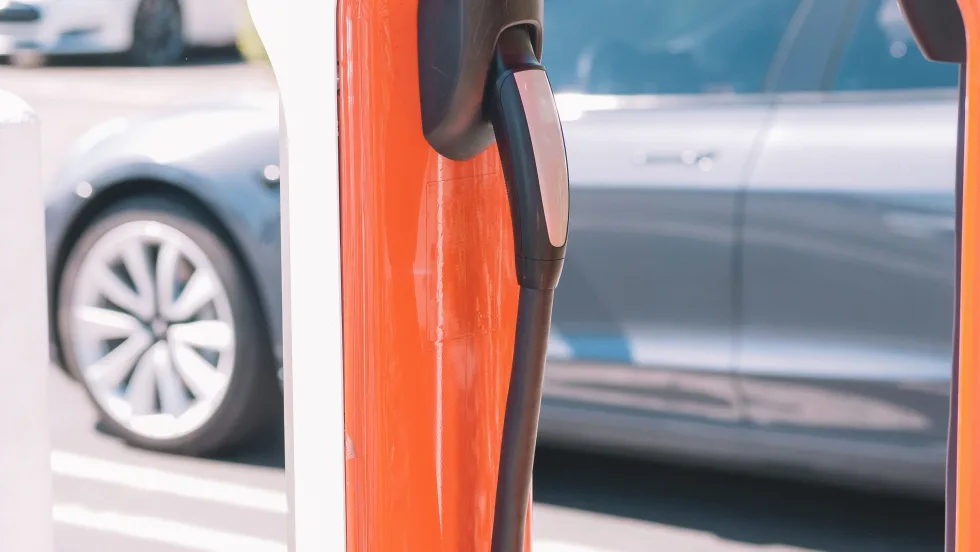
Charger Network Growth Slows
Despite a projected increase in public EV chargers in 2026, charging infrastructure remains a top concern for consumers as the gap between the most and least EV-friendly places remains substantial.
Read More →
Lenders, Consumers Take on More Auto Loan Risk
September records loosened credit access the most in over a decade as buyers took advantage of the conditions to afford trading, though loan applications fell.
Read More →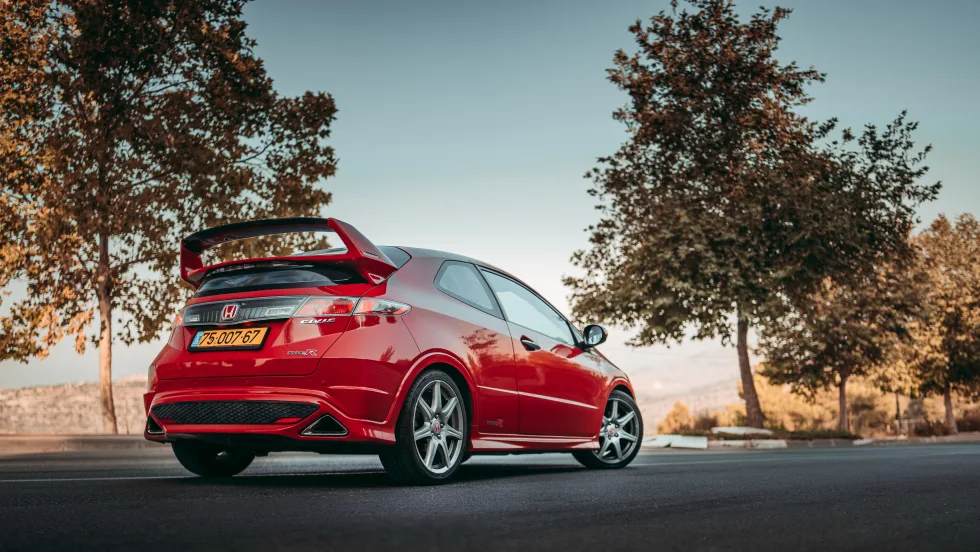
Next-Gen Hybrids in Sight
Dealerships can expect to see revamped hybrids from Honda next year as the company rolls out a new system and model lineup.
Read More →
Gem State Stores Change Hands
A larger auto group founded in the industry’s early years sold two franchises to a neighbor group that's on a growth spurt.
Read More →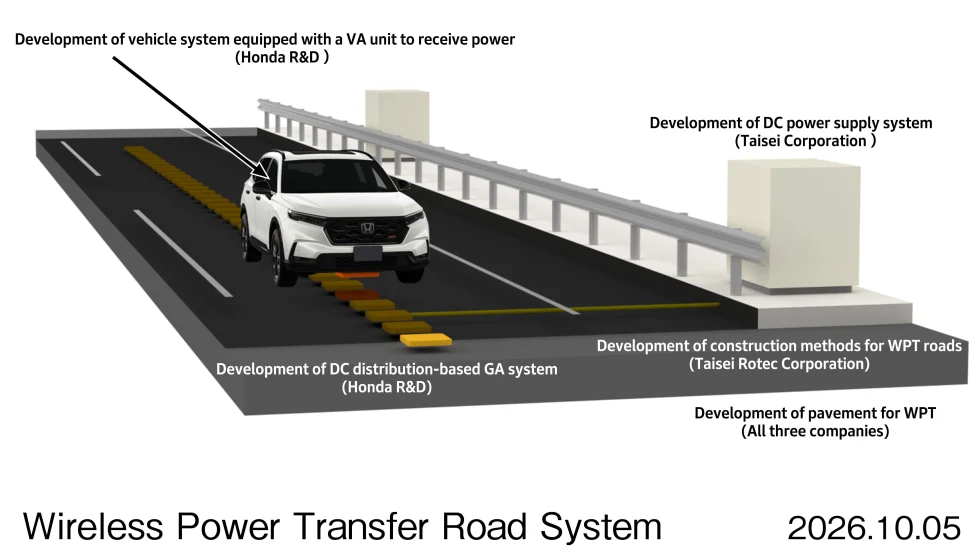
Charging In Motion
Honda has been researching wireless in-motion charging for electric vehicles since 2025, and new technology developments have put it a step closer to a final product.
Read More →
Twin Cities Stores Sell
Minnesota-based Walser Automotive Group made what it called the most significant acquisition in its history with a three-rooftop deal in Minneapolis.
Read More →
U.S. Auto Sales Still Below Prepandemic Levels
Mobility Global industry observers don’t expect the market to return to the higher volumes that became routine before Covid but to stay well below its potential.
Read More →
The Powertrain Shift
Electric-vehicle owners are backpedaling, according to new data, with product availability driving many to shift back to gas-powered engines.
Read More →
Achromatic Autos
The shades that dominate the U.S. car market don’t call attention to themselves, though grayscale may have plateaued after a 30-year upswing, research shows.
Read More →
Used-Vehicle Affordability Worsens
Listing prices in August defied seasonal trends, rising above $27,000 for the second time this year.
Read More →