


Growing Student Debt Expected to Hurt Retailers, Moody's Warns

NEW YORK — In the past seven years, the average student debt burden has grown by about 53%, according to a Moody’s report. That growth has brought student debt in the United States to more than $1.3 trillion, and that figure is expected to continue to grow.
The largest share of outstanding student loans is held by graduates age 30 to 39. Many of these graduates belong to the millennial generation, which, according to Pew Research, have overtaken Baby Boomers as the nation’s largest living generation.
"It's difficult to say exactly which segments of the retail sector will take the biggest hit as student debt takes an increasingly bigger bite from graduates' disposable income," said Charlie O'Shea, Moody’s retail analyst. "But it is safe to say that the only potential 'non-losers' are retailers that benefit from the 'trade-down' effect, such as discounters, warehouse clubs and dollar stores."
In the same seven years that yielded a 53% increase in student debt, graduate wages only increased by 3%, according to the report, "Retail – US: Retail Spending Faces Headwinds from Burgeoning Student Loan Obligations." This disparity between improved wages and the amount of debt graduates are coming out of college with is now eating into the disposable incomes of graduates.
Delinquency rates on student loans are the highest among consumer debt types, according to the report. Ninety-plus day delinquencies have increased about 3% from 2012 and now sit at 11%, Moody's noted.
Student debt, according to the report, has placed such a burden on graduates’ disposable income that more graduates are being forced to live with their parents after college.
"Our estimates indicate that reasonable amortization of this debt results in about $160 billion in annual payments, thus student loan obligations will have a definite negative impact on retail sales,” O’Shea said.
More Industry

Achromatic Autos
The shades that dominate the U.S. car market don’t call attention to themselves, though grayscale may have plateaued after a 30-year upswing, research shows.
Read More →
Used-Vehicle Affordability Worsens
Listing prices in August defied seasonal trends, rising above $27,000 for the second time this year.
Read More →
First-Half Dealership Deals Up
Buy-sell activity shows that acquirers are looking for value and scale as many retailers seek to leave an increasingly competitive and complex market, Kerrigan Advisors reports.
Read More →
Kia Closes Out Summer With a Bang
Its U.S. subsidiary broke multiple records in August, in part due to a surge of demand for hybrids models.
Read More →
Indiana Dealership Changes Hands
A 30-year-old Ford dealership in Indiana has a new owner and will soon be undergoing renovations to meet manufacturer requirements.
Read More →
Texas Dealership No Longer in the Family
The Ford store, a longtime cornerstone of the Houston market, is now part of one of the fastest-growing U.S. auto groups.
Read More →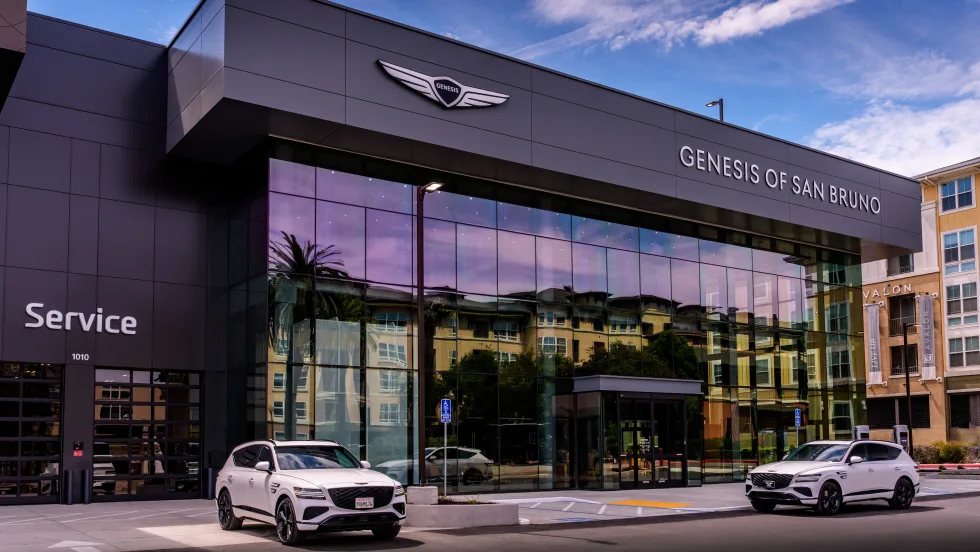
Genesis Grows California Presence
The Cardinale Automotive Group opened its third Genesis rooftop in the Golden State, Genesis of San Bruno, a stand-alone dealership serving the San Francisco Bay Area.
Read More →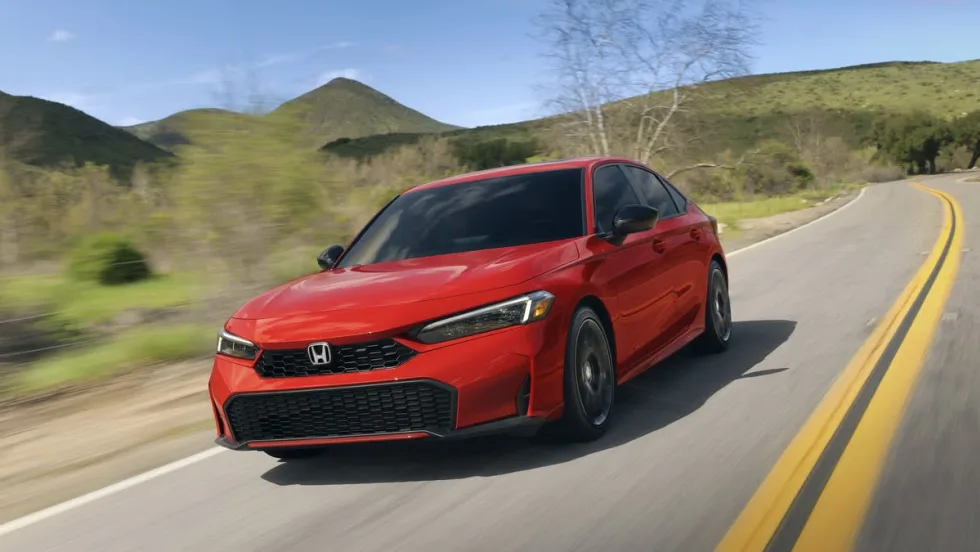
August Auto Sales a Mixed Bag
An early forecast shows strong business despite consumer hurdles, and hybrids are a big piece of their affordability coping strategy.
Read More →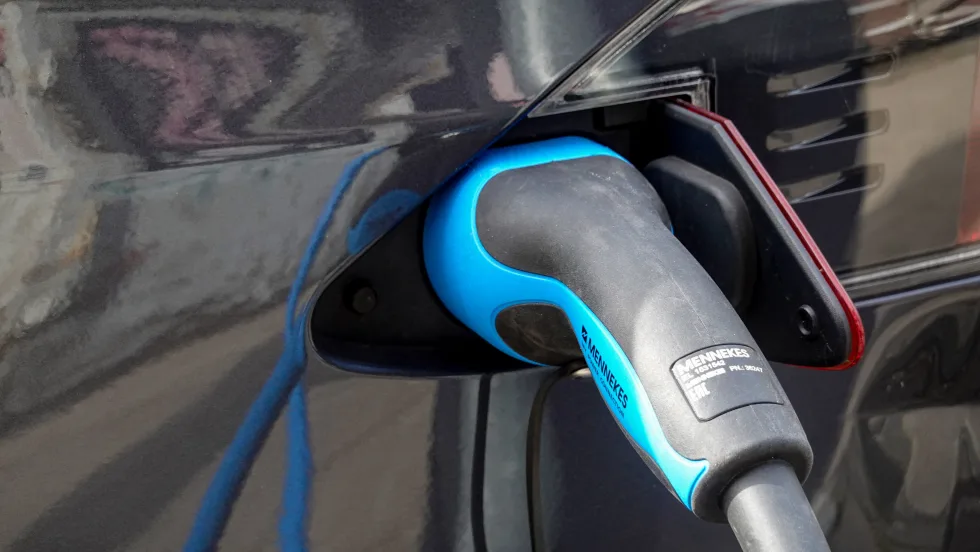
EV Market Humming Along
July sales show steady growth as the segment stabilizes from last year’s artificial surge following pullback of federal support.
Read More →
Auto Loan Delinquency Rates Stabilize
Auto loans are a main driver of nonmortgage consumer debt, but delinquency rates stabilized in the second quarter across all credit risk tiers.
Read More →