


Hybrids Record Highest Annual Mileage
A new study shows that conventional hybrids are the most heavily driven vehicles on the road, while plug-in hybrids are the least-driven power train.

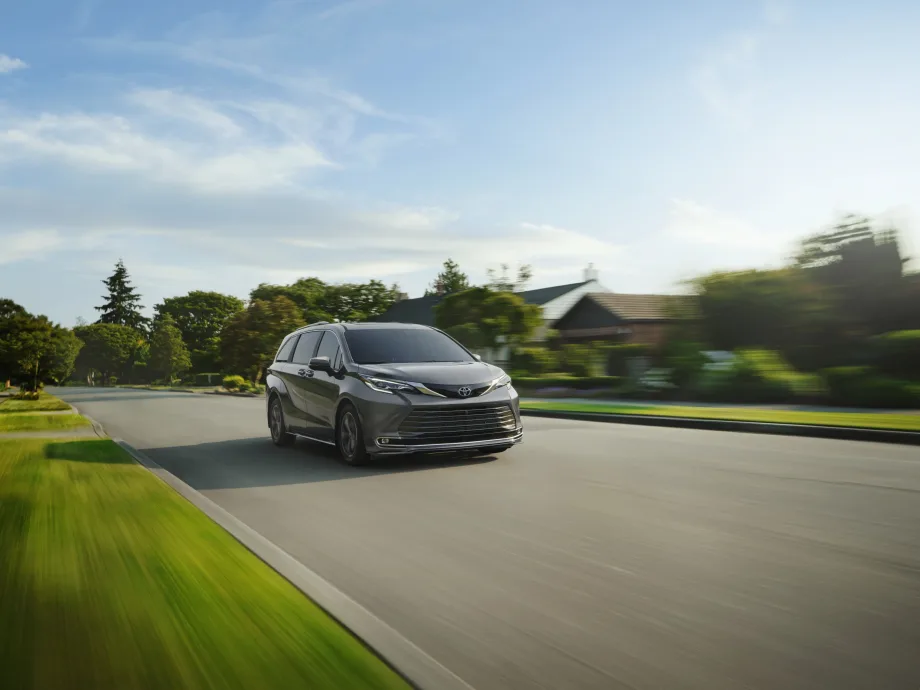
Toyota dominates the most-driven conventional hybrids list with the Sienna and two others.
Toyota
Hybrid vehicles have risen in popularity over the past year, and data recently released by iSeeCars.com shows conventional hybrids are the most heavily driven vehicles on the road.
The car search and research provider analyzed odometer readings of over 2.1 million 3-year-old cars sold in 2025, discovering that hybrids average 14,696 miles a year, 10% more mileage than gas vehicles and nearly 24% more than fully electric vehicles.
“Gasoline models still make up the majority of vehicles in the U.S., but these rankings suggest consumers who drive a lot have embraced the higher fuel efficiency of hybrids,” said iSeeCars Executive Analyst Karl Brauer.
Toyota holds the top three spots in the most-driven conventional hybrids list with the Sienna, Highlander Hybrid and Camry Hybrid. Models of its luxury Lexus line, meanwhile, are the least driven, the NX 350h, UX 250h and RX 450h/450hL having the lowest mileage.
The power train with the lowest overall annual mileage is plug-in hybrids. Crossovers and family-friendly vehicles dominate the category, the Chrysler Pacifica Hybrid having the most mileage.
Family-friendly options also led the gas-powered category, the Chrysler Pacifica, Chrysler Voyager and Chevrolet Suburban in the top three spots.
“Eight of the top 10 most-driven gas vehicles are either a minivan or SUV, illustrating the high use rate and do-it-all nature of these people movers,” said Brauer.
On the flip side, sports cars and convertibles are the least-driven gas-powered vehicles, suggesting they're used more as “recreational, seasonal, or secondary vehicles rather than everyday transportation.”
While electric vehicles on average are driven fewer annual miles than gas vehicles, two Tesla models stand out with average mileage exceeding the overall gas-vehicle average: models 3 and Y. The least-driven EVs are mostly luxury and performance models, including the Audi RS e-tron GT and the Lucid Air.
More Industry
Badger State Dealership Gets New Owner
The longtime southern Wisconsin store moved from one area auto group to another, keeping the business in Dairyland.
Read More →
The Cycle of Negative Equity
Third-quarter data shows consumers still rolling over debt and stretching loan terms, raising their risk of remaining underwater.
Read More →
Charger Network Growth Slows
Despite a projected increase in public EV chargers in 2026, charging infrastructure remains a top concern for consumers as the gap between the most and least EV-friendly places remains substantial.
Read More →
Lenders, Consumers Take on More Auto Loan Risk
September records loosened credit access the most in over a decade as buyers took advantage of the conditions to afford trading, though loan applications fell.
Read More →
Next-Gen Hybrids in Sight
Dealerships can expect to see revamped hybrids from Honda next year as the company rolls out a new system and model lineup.
Read More →
Gem State Stores Change Hands
A larger auto group founded in the industry’s early years sold two franchises to a neighbor group that's on a growth spurt.
Read More →
Charging In Motion
Honda has been researching wireless in-motion charging for electric vehicles since 2025, and new technology developments have put it a step closer to a final product.
Read More →
Twin Cities Stores Sell
Minnesota-based Walser Automotive Group made what it called the most significant acquisition in its history with a three-rooftop deal in Minneapolis.
Read More →
U.S. Auto Sales Still Below Prepandemic Levels
Mobility Global industry observers don’t expect the market to return to the higher volumes that became routine before Covid but to stay well below its potential.
Read More →
The Powertrain Shift
Electric-vehicle owners are backpedaling, according to new data, with product availability driving many to shift back to gas-powered engines.
Read More →