


J.D. Power: Increased Engine and Transmission Problems Contribute to Decline in Vehicle Dependability for The First Time in More Than 15 Years

Westlake Village, Calif. - Owners of three-year-old vehicles (2011 model year) report more problems than did owners of three-year-old vehicles last year, according to the J.D. Power 2014 U.S. Vehicle Dependability Study (VDS).
The study, now in its 25th year, examines problems experienced during the past 12 months by original owners of 2011 model-year vehicles. Overall dependability is determined by the number of problems experienced per 100 vehicles (PP100), with a lower score reflecting higher quality.
The study finds that overall vehicle dependability averages 133 PP100, a 6 percent increase in problems from 126 PP100 in 2013. This marks the first time since the 1998 study that the average number of problems has increased.
"Until this year, we have seen a continuous improvement in vehicle dependability," said David Sargent, vice president of global automotive, J.D. Power. "However, some of the changes that automakers implemented for the 2011 model year have led to a noticeable increase in problems reported."
Increases in Engine and Transmission Problems Reported
Engine and transmission problems increase by nearly six PP100 year over year, accounting for the majority of the overall seven PP100 increase in reported problems. The decline in quality is particularly acute for vehicles with 4-cylinder engines, where problem levels increase by nearly 10 PP100. These smaller engines, as well as large diesel engines, tend to be more problematic than 5- and 6-cylinder engines, for which owners report fewer problems, on average.
"Automakers are continually looking for ways to improve fuel economy, which is a primary purchase motivator for many consumers, particularly those buying smaller vehicles," said Sargent. "However, while striving to reduce fuel consumption, automakers must be careful not to compromise quality. Increases in such problems as engine hesitation, rough transmission shifts and lack of power indicate that this is a continuing challenge."
Dependability Leads to Loyalty; Poor Dependability Creates Avoidance
J.D. Power also found that the fewer problems owners experience with their vehicle, the greater their loyalty to the brand. Combined data from previous years' VDS results and vehicle trade-in data from the Power Information Network (PIN) from J.D. Power show that 56 percent of owners who reported no problems stayed with the same brand when they purchased their next new vehicle. Brand loyalty slipped to just 42 percent among owners who reported three or more problems.
Also, a comparison of data from the 2013 Vehicle Dependability Study with data from the subsequent J.D. Power 2014 U.S. Avoider Study shows that consumers are much more likely to avoid vehicles from brands that rank lower in dependability. On average, 23 percent of consumers avoided brands that ranked in the lowest quartile of the 2013 VDS because of concerns about reliability. In contrast, only nine percent of consumers cited that same reason for avoiding brands that ranked in the top quartile.
"By combining our customer research with trade-in data, we see a very strong correlation between dependability and real-world brand loyalty," said Sargent. "Also, we see that brands with lower dependability are likely to be shut out of a significant piece of the market, as many consumers will not even consider purchasing one of their vehicles because of concerns about its likely reliability."
Highest-Ranked Nameplates and Models
Lexus ranks highest in vehicle dependability among all nameplates for a third consecutive year. The gap between Lexus and all other brands is substantial, with Lexus averaging 68 PP100 compared with second-ranked Mercedes-Benz at 104 PP100. Following Mercedes-Benz in the rankings are Cadillac (107), Acura (109) and Buick (112), respectively.
General Motors received eight segment awards — more than any other automaker in 2014 — for the Buick Lucerne; Cadillac DTS (tie); Cadillac Escalade; Chevrolet Camaro; Chevrolet Volt; GMC Sierra HD; GMC Sierra LD; and GMC Yukon. Toyota Motor Corp. garnered seven awards for the Lexus ES; Lexus GS; Lexus LS (tie); Lexus RX; Scion xB; Toyota Camry; and Toyota Sienna. Honda Motor Co. received six model-level awards for the Acura RDX; Honda CR-V; Honda Crosstour; Honda Element; Honda Fit; and Honda Ridgeline. MINI received one model-level award for the MINI Cooper.
The Vehicle Dependability Study is used extensively by manufacturers and suppliers worldwide to help them design and build better vehicles, which typically translates into higher resale values and customer loyalty. It also helps consumers make more-informed choices for both new- and used-vehicle purchases.
The 2014 Vehicle Dependability Study is based on responses from more than 41,000 original owners of 2011 model-year vehicles after three years of ownership. The study was fielded between October and December 2013.
More Industry
Charger Network Growth Slows
Despite a projected increase in public EV chargers in 2026, charging infrastructure remains a top concern for consumers as the gap between the most and least EV-friendly places remains substantial.
Read More →
Lenders, Consumers Take on More Auto Loan Risk
September records loosened credit access the most in over a decade as buyers took advantage of the conditions to afford trading, though loan applications fell.
Read More →
Next-Gen Hybrids in Sight
Dealerships can expect to see revamped hybrids from Honda next year as the company rolls out a new system and model lineup.
Read More →
Gem State Stores Change Hands
A larger auto group founded in the industry’s early years sold two franchises to a neighbor group that's on a growth spurt.
Read More →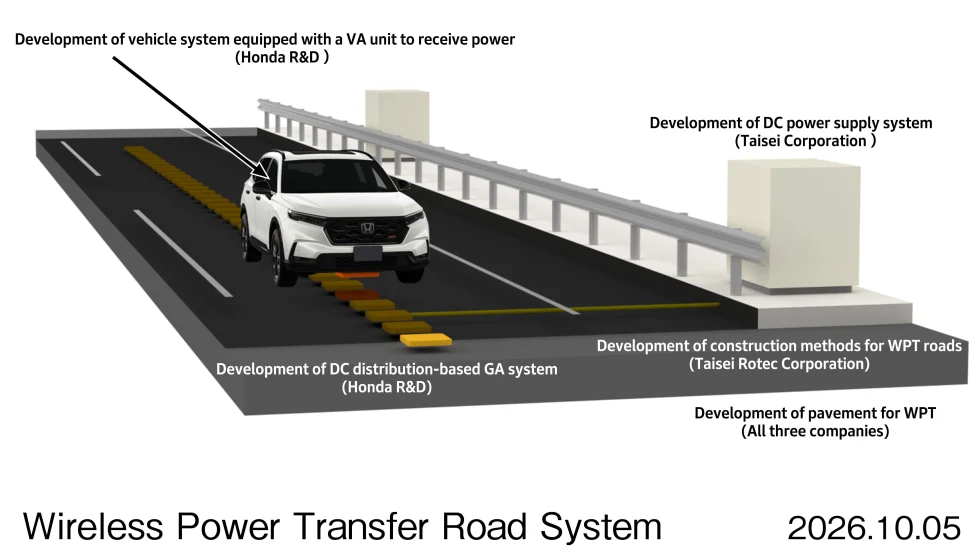
Charging In Motion
Honda has been researching wireless in-motion charging for electric vehicles since 2025, and new technology developments have put it a step closer to a final product.
Read More →
Twin Cities Stores Sell
Minnesota-based Walser Automotive Group made what it called the most significant acquisition in its history with a three-rooftop deal in Minneapolis.
Read More →
U.S. Auto Sales Still Below Prepandemic Levels
Mobility Global industry observers don’t expect the market to return to the higher volumes that became routine before Covid but to stay well below its potential.
Read More →
The Powertrain Shift
Electric-vehicle owners are backpedaling, according to new data, with product availability driving many to shift back to gas-powered engines.
Read More →
Achromatic Autos
The shades that dominate the U.S. car market don’t call attention to themselves, though grayscale may have plateaued after a 30-year upswing, research shows.
Read More →
Used-Vehicle Affordability Worsens
Listing prices in August defied seasonal trends, rising above $27,000 for the second time this year.
Read More →