


Judge Approves Preliminary Settlement of Honda Brake Suit

A federal judge has given preliminary approval to a settlement of a class-action suit that says the rear brakes on 750,000 Accords and Acura TSXs are wearing out much faster than they should, reported The New York Times.
The suit was filed in September and covers 2008–09 Accords, 2009 Acura TSXs and a few 2010s. The suit claims the rear brakes wear out in 15,000 to 20,000 miles because a new brake design causes “excessive force to be applied to the vehicles rear wheels.”
Honda agreed to a settlement earlier this year, although the company denied having done anything wrong with the brake design.
On April 15, Judge Margaret M. Morrow of the United States District Court for the Central District of California granted preliminary approval to the deal. She ruled that the terms of the settlement “appear sufficiently fair, reasonable and adequate.” Now the court will accept comments on the proposed settlement before ruling later this year.
Within 60 days of that approval, Honda is supposed to notify eligible owners of the proposed settlement.
Here’s what is proposed:
Owners who had the pads replaced and rotors resurfaced before approval of the settlement would be reimbursed for one half of the cost, or a maximum of $125, “whichever is less.” That would be for repairs in which the original worn pads were replaced with pads of the same type. Owners can file claims for multiple repairs, and the work does not need to have been done at a Honda dealership.
Owners will also be given a one-time payment of up to $150 to have new, redesigned brake pads installed.
Eric Gibbs of San Francisco and Berk Law of Washington, the lawyers for the plaintiffs, will get up to $2 million for fees and expenses.
More Industry
Charger Network Growth Slows
Despite a projected increase in public EV chargers in 2026, charging infrastructure remains a top concern for consumers as the gap between the most and least EV-friendly places remains substantial.
Read More →
Lenders, Consumers Take on More Auto Loan Risk
September records loosened credit access the most in over a decade as buyers took advantage of the conditions to afford trading, though loan applications fell.
Read More →
Next-Gen Hybrids in Sight
Dealerships can expect to see revamped hybrids from Honda next year as the company rolls out a new system and model lineup.
Read More →
Gem State Stores Change Hands
A larger auto group founded in the industry’s early years sold two franchises to a neighbor group that's on a growth spurt.
Read More →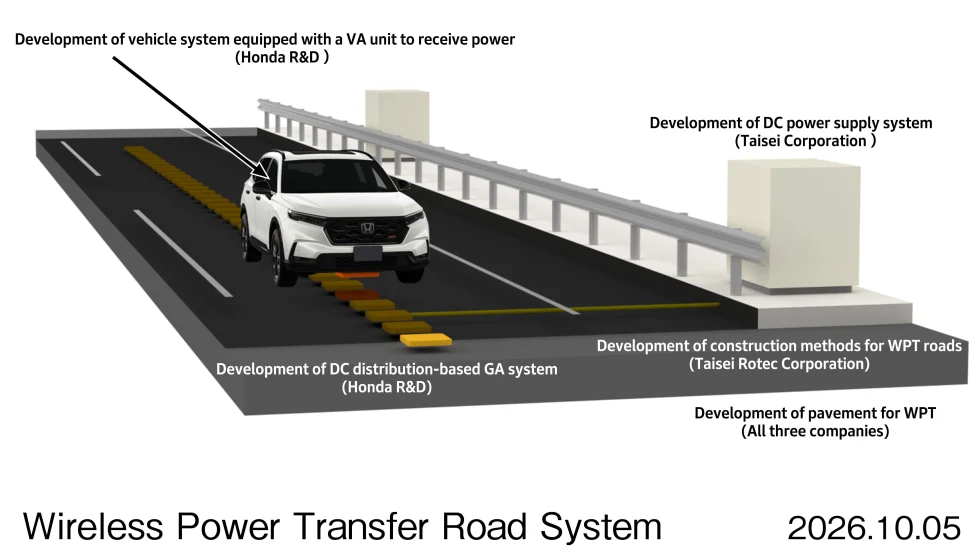
Charging In Motion
Honda has been researching wireless in-motion charging for electric vehicles since 2025, and new technology developments have put it a step closer to a final product.
Read More →
Twin Cities Stores Sell
Minnesota-based Walser Automotive Group made what it called the most significant acquisition in its history with a three-rooftop deal in Minneapolis.
Read More →
U.S. Auto Sales Still Below Prepandemic Levels
Mobility Global industry observers don’t expect the market to return to the higher volumes that became routine before Covid but to stay well below its potential.
Read More →
The Powertrain Shift
Electric-vehicle owners are backpedaling, according to new data, with product availability driving many to shift back to gas-powered engines.
Read More →
Achromatic Autos
The shades that dominate the U.S. car market don’t call attention to themselves, though grayscale may have plateaued after a 30-year upswing, research shows.
Read More →
Used-Vehicle Affordability Worsens
Listing prices in August defied seasonal trends, rising above $27,000 for the second time this year.
Read More →