


Major Auto Dealers' Sales May Reach 2-year High as Stores Close

U.S. auto retailers may post the highest sales in almost two years after General Motors Co. and Chrysler Group LLC closed thousands of smaller dealerships, Bloomberg reported.
AutoNation Inc., the largest dealer group, may post $3.06 billion in second-quarter sales when it reports earnings tomorrow, the average estimate of seven analysts surveyed by Bloomberg. That would be the highest revenue since the third quarter of 2008. Penske Automotive Group Inc. and Sonic Automotive Inc., the second- and third-largest retailers, may post the highest sales in two years when they report results on July 29, analysts estimate.
Chrysler and GM had said they would shut about 2,800 dealerships as they headed toward bankruptcy last year - allowing surviving stores to sell more vehicles at higher prices. Ford Motor Co. has also closed some locations in urban areas.
While a government watchdog this week criticized some closings as adding to unemployment, dealer groups say they cut ailing stores.
“We're seeing the remaining stores do significantly better,” said Greg Young, Sonic's vice president of finance. “In markets where other Cadillac or Chevy dealers closed, our Cadillac or Chevy stores are doing much better.”
Sonic is expected to generate $1.75 billion in second-quarter sales, the average estimate of five analysts.
Penske Automotive Group Inc. may post $2.61 billion in second-quarter sales, the average of six analysts' estimates. That would be the highest quarterly revenue in almost two years. Profit is estimated to be 29 cents a share when the Bloomfield Hills, Mich.-based company reports results.
Penske focuses on imports and luxury brands, with only 5 percent of its new-car sales coming from traditional U.S. brands. The retailer plans to keep that mix constant because there still is an excess of dealers selling U.S. cars and light trucks, said Tony Pordon, a spokesman. The company also generates more than a third of its revenue outside of the United States.
“We still believe there are too many domestic brand dealerships across the United States right now,” Pordon said in an e-mail to Bloomberg. “There needs to be a further culling.”
AutoNation, based in Ft. Lauderdale, Fla., gets about one-third of its revenue from U.S. brands. The dealership group has trimmed domestic brand outlets for five years and now has about 200 U.S. locations, said Marc Cannon, a spokesman. The company lost a total of eight GM and Chrysler stores in the restructurings.
AutoNation is expected to report profit of 36 cents a share tomorrow, the average estimate of 10 analysts surveyed by Bloomberg.
The retailer's sales still would trail levels from before the financial crisis in 2008. The nation's 9.5 percent unemployment rate and weakening consumer confidence have restrained spending. AutoNation's sales in the second quarter of 2007 were $4.56 billion, 49 percent higher than the estimate for the same period this year.
New light vehicle demand remains near a historic low. The percentage of Americans who said they planned to buy a new car tumbled to 3.7 percent in June, the lowest since records began in 1967, according to the Conference Board's June confidence index.
U.S. auto sales slowed to an 11.1 million annualized rate in June from 11.6 million in May. Last year, consumers purchased 10.4 million cars and light trucks, the fewest in 27 years. In 2006, about 16.5 million vehicles were sold.
Sonic, based in Charlotte, N.C., is focusing on repair and maintenance services and used-car sales to drive profit as new-vehicle sales weaken, Young said. Used-car volume has jumped 20 to 30 percent, he said.
More Industry
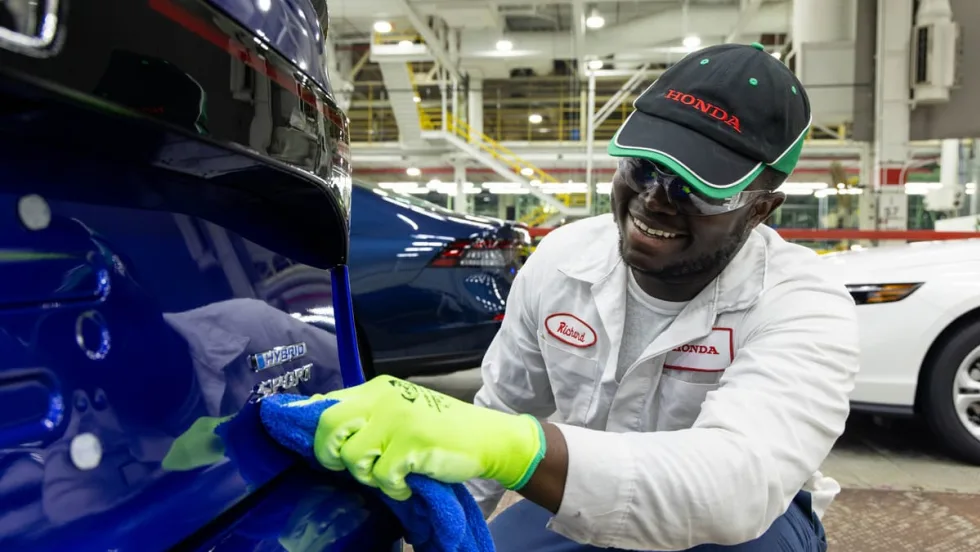
Honda Embraces Hybrid Fever
The automaker plans a new Ohio factory, along with investments in existing U.S. and Canadian plants, to significantly boost hybrid production here.
Read More →
Dealerships Must Show Up Where It Matters
How car buyers find your dealership has fundamentally changed. New evidence reveals the importance of your presence on social media, Google search, and large language models.
Read More →
CPO Sales Could Take Off in the Right Conditions
A recent Cox Automotive consumer survey reveals the size of an undertapped market for the vehicle segment given affordability pressures.
Read More →
Global Consumer Trends Diverge
Price remains a top consideration for U.S. car buyers, and they are the most brand-loyal consumers to established automakers, according to a new survey.
Read More →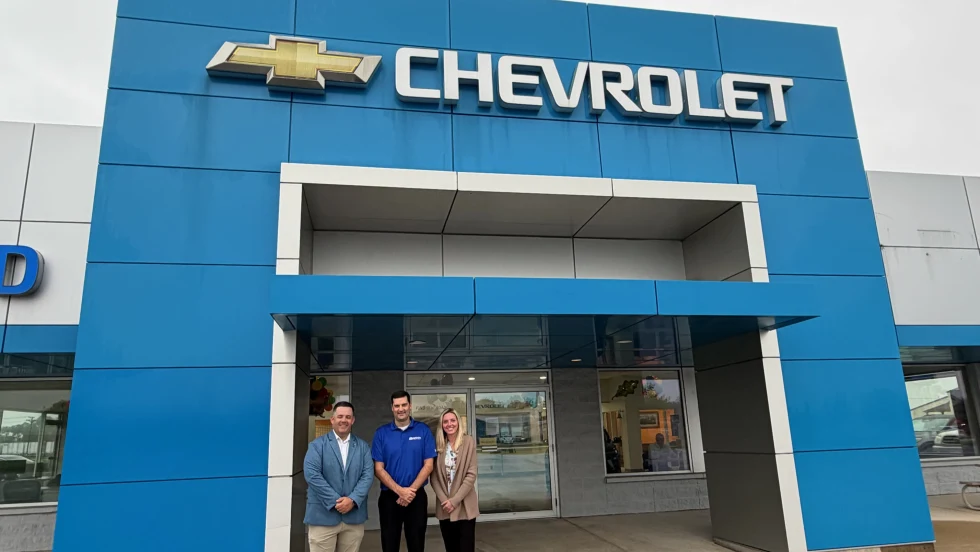
Badger State Dealership Gets New Owner
The longtime southern Wisconsin store moved from one area auto group to another, keeping the business in Dairyland.
Read More →
The Cycle of Negative Equity
Third-quarter data shows consumers still rolling over debt and stretching loan terms, raising their risk of remaining underwater.
Read More →
Charger Network Growth Slows
Despite a projected increase in public EV chargers in 2026, charging infrastructure remains a top concern for consumers as the gap between the most and least EV-friendly places remains substantial.
Read More →
Lenders, Consumers Take on More Auto Loan Risk
September records loosened credit access the most in over a decade as buyers took advantage of the conditions to afford trading, though loan applications fell.
Read More →
Next-Gen Hybrids in Sight
Dealerships can expect to see revamped hybrids from Honda next year as the company rolls out a new system and model lineup.
Read More →
Gem State Stores Change Hands
A larger auto group founded in the industry’s early years sold two franchises to a neighbor group that's on a growth spurt.
Read More →