


Many Mercury Dealers Hold Off on Settlements

Many Mercury dealers are reluctant to sign their settlement deal with Ford Motor Co. because they want larger payments, Automotive News reported.
Some dealers and their lawyers say the reluctance to sign points to a rocky wind-down of Mercury. Lawsuits are possible, and negotiations between many dealers and Ford are certain. Many dealers aren't sure of their options but know they don't like the offers.
Of the 1,712 Mercury dealerships, about 700 have signed Ford's compensation agreement, the automaker says. Ford announced in June that it would terminate the 71-year-old Mercury brand by Dec. 31.
"I haven't talked to anyone who has signed it yet," says Chris Lemley, owner of Sentry Auto Group Ford-Lincoln-Mercury-Mazda in Medford, Mass.
Dealer lawyers have seen offers ranging from $100,000 to nearly $800,000. Ford declined to comment on the amounts. The company says it will pay 100 percent of what dealers paid for parts. Dealers also may keep and sell them, Ford says.
"There's no question that dealers feel Ford's offers are not a true value for the franchise," says Mike Charapp, a McLean, Va., lawyer who represents dealers. "Ford's contention, as I understand it, is they'll broaden the Lincoln lineup, and the dealers will pick up the sales that way. I don't think Ford even has a pretense this is a true value for the franchise."
In the next four years, Ford will expand the Lincoln lineup with at least one new product and will update several vehicles, say Ford and industry sources.
Ford says its cash compensation to Mercury dealers is fair. The compensation is based on a formula that considers many factors including dealers' recent sales, says Ford spokesman Steve Kinkade.
"We're not trying to pull the carpet out from under these guys at all," Kinkade says. "This goes along with our collaborative process of working with dealers on a case-by-case basis."
One Mercury dealer who requested anonymity because he hopes to negotiate with Ford says he spent millions on his franchise, real estate and construction. Yet Ford is offering him less than $150,000 in compensation for his Mercury franchise.
Another dealer who spoke on the condition of anonymity says he plans to sue Ford. His compensation offer was about $500,000, which he thinks is a far cry from the millions he has invested to build and operate the store.
Some Mercury dealers fear that if they are left with only Lincoln, they will go out of business.
"For some dealers, the loss of Mercury will lead to the destruction of their Lincoln franchise," says Charapp, the dealer lawyer. "They have legal cause now to argue that by terminating Mercury, it's a constructive termination of Lincoln also."
Many Lincoln-Mercury dealers say Mercury accounts for 40 to 60 percent of their new-vehicle sales and service revenue. Last year Lincoln sold 82,847 vehicles in the United States, while Mercury sold 92,299.
Ford acknowledges that some of the 276 Lincoln-Mercury dealerships are in markets that cannot support a stand-alone Lincoln store. Mark Fields, Ford's president of the Americas, has said Ford will work with those stores, helping them either get a Ford franchise or sell their Lincoln operations to a Ford store.
Charapp declined to speculate how many Mercury dealers might pursue legal action against Ford, because there are steps dealers must follow before considering a suit.
More Industry
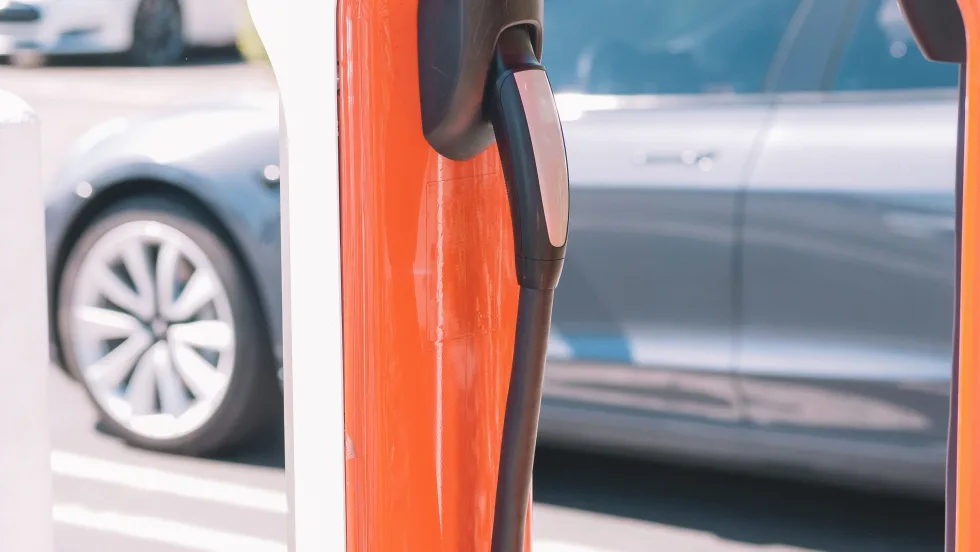
Charger Network Growth Slows
Despite a projected increase in public EV chargers in 2026, charging infrastructure remains a top concern for consumers as the gap between the most and least EV-friendly places remains substantial.
Read More →
Lenders, Consumers Take on More Auto Loan Risk
September records loosened credit access the most in over a decade as buyers took advantage of the conditions to afford trading, though loan applications fell.
Read More →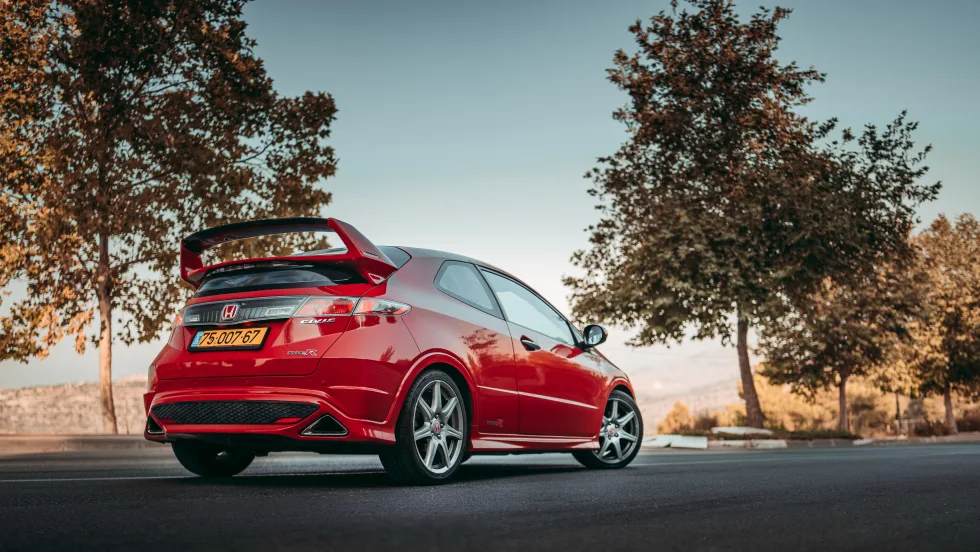
Next-Gen Hybrids in Sight
Dealerships can expect to see revamped hybrids from Honda next year as the company rolls out a new system and model lineup.
Read More →
Gem State Stores Change Hands
A larger auto group founded in the industry’s early years sold two franchises to a neighbor group that's on a growth spurt.
Read More →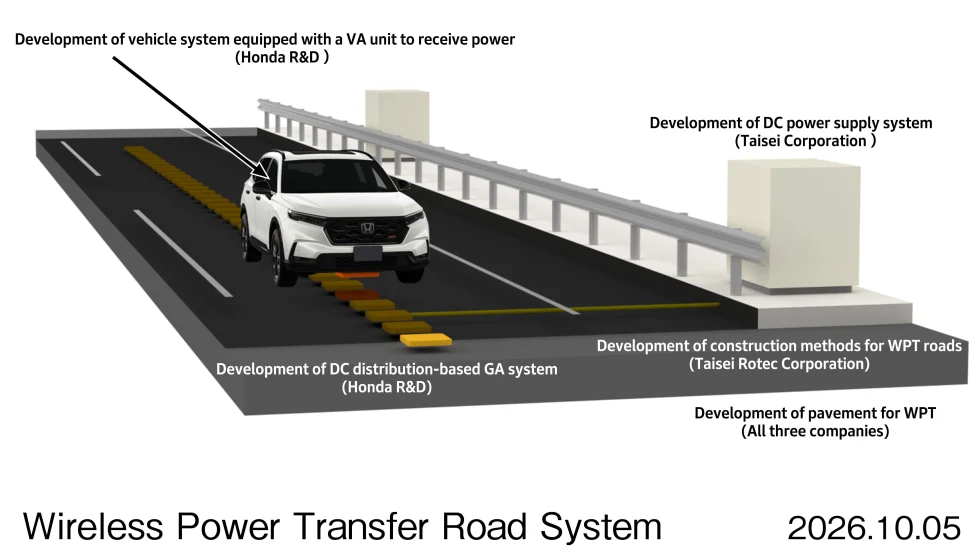
Charging In Motion
Honda has been researching wireless in-motion charging for electric vehicles since 2025, and new technology developments have put it a step closer to a final product.
Read More →
Twin Cities Stores Sell
Minnesota-based Walser Automotive Group made what it called the most significant acquisition in its history with a three-rooftop deal in Minneapolis.
Read More →
U.S. Auto Sales Still Below Prepandemic Levels
Mobility Global industry observers don’t expect the market to return to the higher volumes that became routine before Covid but to stay well below its potential.
Read More →
The Powertrain Shift
Electric-vehicle owners are backpedaling, according to new data, with product availability driving many to shift back to gas-powered engines.
Read More →
Achromatic Autos
The shades that dominate the U.S. car market don’t call attention to themselves, though grayscale may have plateaued after a 30-year upswing, research shows.
Read More →
Used-Vehicle Affordability Worsens
Listing prices in August defied seasonal trends, rising above $27,000 for the second time this year.
Read More →