


Marketer Responds to GM's Facebook Decision

DETROIT – Facebook’s influence on car buyers was called into question after the Wall Street Journal reported on General Motors’ decision to stop advertising on the social-networking site. But one digital marketing firm is coming to the defense of Facebook.
Rick Gibbs, president and chief technology officer for Dealer.com, would not comment on GM’s decision, but said he believes Facebook has one of the strongest networks for reaching automotive customers via a comprehensive advertising, content and engagement strategy. That approach, he added, has had a positive impact on his clients' brands and bottom lines.
“Most advertisers are focused on the wrong key performance indicators when measuring Facebook advertising effectiveness,” he said. “The opportunity of social networking advertising lies beneath the surface at a micro-level of brand engagement, audience reach and customer interactions. When done correctly, the results are increased engagement and customer loyalty before, during and after the purchase.”
Quoting a GM official, the Wall Street Journal reported that the carmaker plans to stop advertising after deciding that ads on the site have little impact on consumers’ car purchases. The Detroit automaker spends about $40 million on its Facebook presence, the report said, $10 million of which is directed to Facebook ads.
Whether Facebook is effective at moving cars has been a hot topic of late. Proponents of Facebook say the social-networking site isn’t geared toward selling cars, and should be viewed as an opportunity to build brand awareness. Dealers have also wrestled with the question of whether to outsource content creation and management of their Facebook pages.
Last week, F&I and Showroom reported on a recent shopper behavior study that showed many dealerships are successfully utilizing Facebook to generate new visitors to their Websites. But the study also showed that traditional methods are still required to turn visits into leads.
"The data shows that Facebook is a good approach to getting new visitors to dealership sites,” Dylan Snyder, senior manager of business intelligence at Dataium. “The lead-to-visitor ratio, which is less than half of our network average, is disappointingly low, however. This highlights that dealerships cannot rely on Facebook alone; traditional methods are still needed to turn these new visitors into leads."
More Industry

Charger Network Growth Slows
Despite a projected increase in public EV chargers in 2026, charging infrastructure remains a top concern for consumers as the gap between the most and least EV-friendly places remains substantial.
Read More →
Lenders, Consumers Take on More Auto Loan Risk
September records loosened credit access the most in over a decade as buyers took advantage of the conditions to afford trading, though loan applications fell.
Read More →
Next-Gen Hybrids in Sight
Dealerships can expect to see revamped hybrids from Honda next year as the company rolls out a new system and model lineup.
Read More →
Gem State Stores Change Hands
A larger auto group founded in the industry’s early years sold two franchises to a neighbor group that's on a growth spurt.
Read More →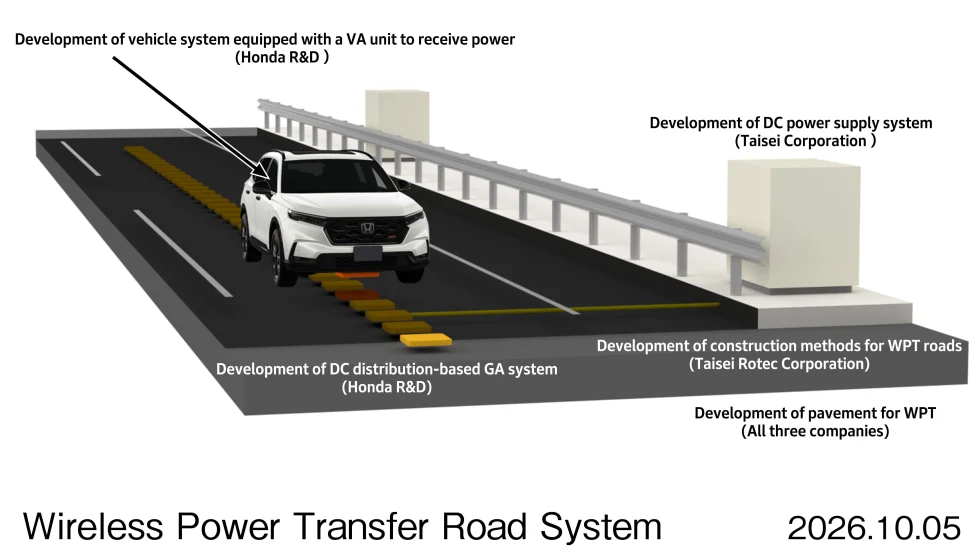
Charging In Motion
Honda has been researching wireless in-motion charging for electric vehicles since 2025, and new technology developments have put it a step closer to a final product.
Read More →
Twin Cities Stores Sell
Minnesota-based Walser Automotive Group made what it called the most significant acquisition in its history with a three-rooftop deal in Minneapolis.
Read More →
U.S. Auto Sales Still Below Prepandemic Levels
Mobility Global industry observers don’t expect the market to return to the higher volumes that became routine before Covid but to stay well below its potential.
Read More →
The Powertrain Shift
Electric-vehicle owners are backpedaling, according to new data, with product availability driving many to shift back to gas-powered engines.
Read More →
Achromatic Autos
The shades that dominate the U.S. car market don’t call attention to themselves, though grayscale may have plateaued after a 30-year upswing, research shows.
Read More →
Used-Vehicle Affordability Worsens
Listing prices in August defied seasonal trends, rising above $27,000 for the second time this year.
Read More →