


NADA Supports Bipartisan Effort to Reform CFPB Auto Lending Guidance

WASHINGTON - America’s new-car dealers convene on Capitol Hill this week to urge Members of Congress to cosponsor H.R. 5403—the Stutzman-Perlmutter bill.
The National Automobile Dealers Association is urging Congress to pass a new bipartisan bill (H.R. 5403) that nullifies the Consumer Financial Protection Bureau’s flawed guidance on auto lending and requires more transparency and accountability from the agency on future guidance.
“The CFPB’s actions will likely raise the cost of credit for car buyers,” said NADA Chairman Forrest McConnell. “The CFPB is attempting to change the $905 billion auto loan market and limit market competition without prior public comment and without analyzing the impact of its guidance on consumers.”
The new bill, “Reforming CFPB Indirect Auto Financing Guidance Act,” would allow the agency to reissue its guidance under a more transparent process. The measure is sponsored by Reps. Marlin Stutzman (R-Ind.) and Ed Perlmutter (D-Colo.), and was introduced Sept. 8. The bill is a narrower version of H.R. 4811, which was reported out of the House Financial Services Committee by a bipartisan vote of 35-24 in June.
“A majority of car buyers choose to finance their purchases through indirect financing at dealerships, which is always optional,” added McConnell, a Honda/Acura dealer from Montgomery, Ala. “Dealers often discount these interest rates to earn their customers’ business.”
In March 2013, the CFPB issued guidance that threatens to eliminate the flexibility of new-car dealerships to discount the interest rate offered to consumers to finance vehicle purchases. The CFPB claims that negotiated interest rates between dealers and their customers create a significant risk of unintentional “disparate impact” discrimination. However, there are a variety of legitimate business-related factors that can affect finance rates, such as beating a competing rate.
"H.R. 5403 is needed because it requires the CFPB to follow a transparent process when issuing auto finance guidance," McConnell said. "The bill would rescind the 2013 auto finance guidance and require public participation for future guidance before it is issued."
More Industry

Charger Network Growth Slows
Despite a projected increase in public EV chargers in 2026, charging infrastructure remains a top concern for consumers as the gap between the most and least EV-friendly places remains substantial.
Read More →
Lenders, Consumers Take on More Auto Loan Risk
September records loosened credit access the most in over a decade as buyers took advantage of the conditions to afford trading, though loan applications fell.
Read More →
Next-Gen Hybrids in Sight
Dealerships can expect to see revamped hybrids from Honda next year as the company rolls out a new system and model lineup.
Read More →
Gem State Stores Change Hands
A larger auto group founded in the industry’s early years sold two franchises to a neighbor group that's on a growth spurt.
Read More →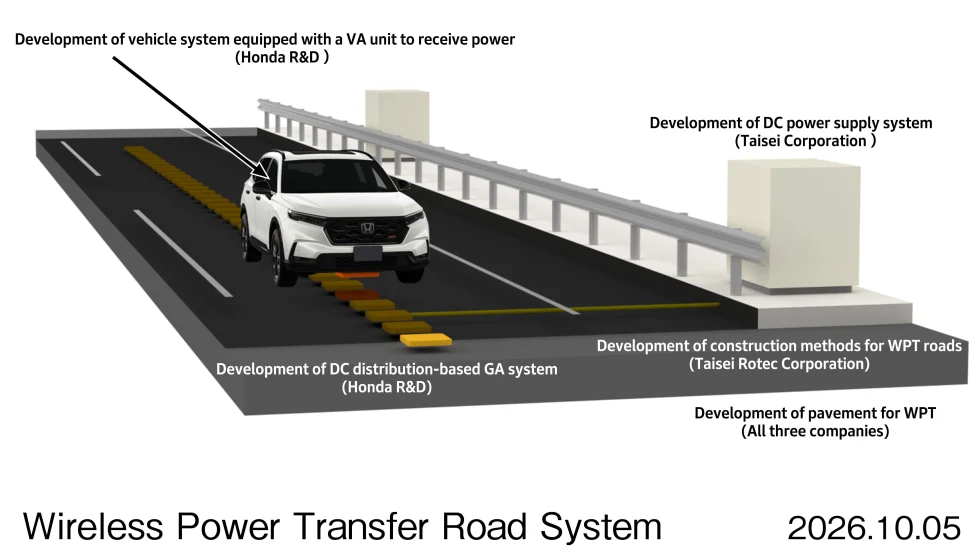
Charging In Motion
Honda has been researching wireless in-motion charging for electric vehicles since 2025, and new technology developments have put it a step closer to a final product.
Read More →
Twin Cities Stores Sell
Minnesota-based Walser Automotive Group made what it called the most significant acquisition in its history with a three-rooftop deal in Minneapolis.
Read More →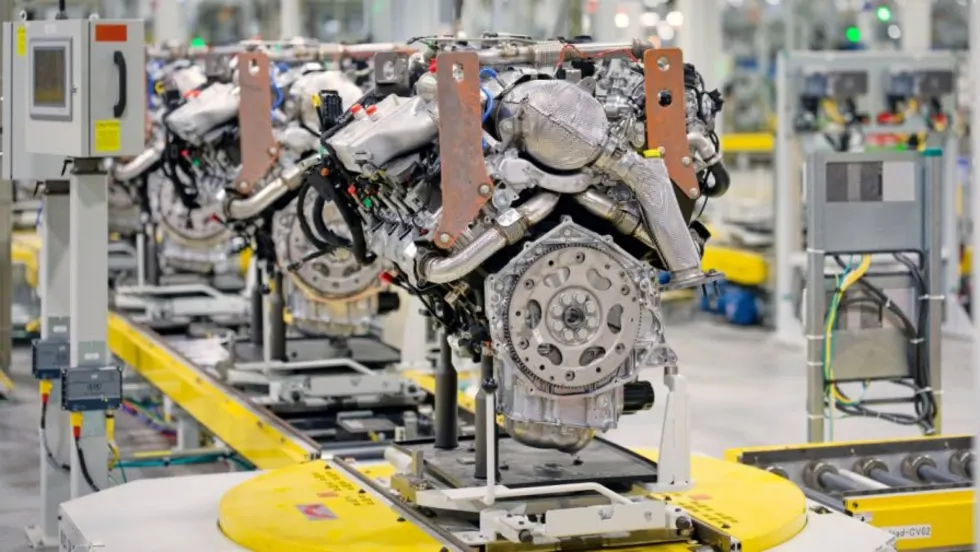
U.S. Auto Sales Still Below Prepandemic Levels
Mobility Global industry observers don’t expect the market to return to the higher volumes that became routine before Covid but to stay well below its potential.
Read More →
The Powertrain Shift
Electric-vehicle owners are backpedaling, according to new data, with product availability driving many to shift back to gas-powered engines.
Read More →
Achromatic Autos
The shades that dominate the U.S. car market don’t call attention to themselves, though grayscale may have plateaued after a 30-year upswing, research shows.
Read More →
Used-Vehicle Affordability Worsens
Listing prices in August defied seasonal trends, rising above $27,000 for the second time this year.
Read More →