


New Fuel Efficiency Standards Finalized, Released By Obama Administration

WASHINGTON, DC – The Obama Administration today finalized standards that will increase fuel economy to the equivalent of 54.5 mpg for cars and light-duty trucks by Model Year 2025. When combined with previous standards set by this Administration, this move will nearly double the fuel efficiency of those vehicles compared to new vehicles currently on our roads. In total, the Administration’s national program to improve fuel economy and reduce greenhouse gas emissions will save consumers more than $1.7 trillion at the gas pump and reduce U.S. oil consumption by 12 billion barrels.
"These fuel standards represent the single most important step we’ve ever taken to reduce our dependence on foreign oil,” said President Obama. “This historic agreement builds on the progress we’ve already made to save families money at the pump and cut our oil consumption. By the middle of the next decade our cars will get nearly 55 miles per gallon, almost double what they get today. It’ll strengthen our nation's energy security, it's good for middle class families and it will help create an economy built to last."
The standards issued by the U.S. Department of Transportation (DOT) and the U.S. Environmental Protection Agency (EPA) build on the those for cars and light trucks for Model Years 2011-2016. Those standards, which raised average fuel efficiency by 2016 to the equivalent of 35.5 mpg, are already saving families money at the pump.
The final standards were developed by DOT’s National Highway Traffic Safety Administration (NHTSA) and EPA following extensive engagement with automakers, the United Auto Workers, consumer groups, environmental and energy experts, states and the public. Last year, 13 major automakers, which together account for more than 90 percent of all vehicles sold in the United States, announced their support for the new standards. By aligning Federal and state requirements and providing manufacturers with long-term regulatory certainty and compliance flexibility, the standards encourage investments in clean, innovative technologies that will benefit families, promote U.S. leadership in the automotive sector, and curb pollution.
"Simply put, this groundbreaking program will result in vehicles that use less gas, travel farther and provide more efficiency for consumers than ever before — all while protecting the air we breathe and giving automakers the regulatory certainty to build the cars of the future here in America,” said Transportation Secretary Ray LaHood. “Today, automakers are seeing their more fuel-efficient vehicles climb in sales, while families already saving money under the Administration’s first fuel economy efforts will save even more in the future, making this announcement a victory for everyone."
"The fuel efficiency standards the administration finalized today are another example of how we protect the environment and strengthen the economy at the same time,” said EPA Administrator Lisa P. Jackson. “Innovation and economic growth are already reinvigorating the auto industry and the thousands of businesses that supply automakers as they create and produce the efficient vehicles of tomorrow. Clean, efficient vehicles are also cutting pollution and saving drivers money at the pump."
The Administration’s combined efforts represent the first meaningful update to fuel efficiency standards in decades. Together, they will save American families more than $1.7 trillion dollars in fuel costs, resulting in an average fuel savings of more than $8,000 by 2025 over the lifetime of the vehicle. For families purchasing a model Year 2025 vehicle, the net savings will be comparable to lowering the price of gasoline by approximately $1 per gallon. Additionally, these programs will dramatically reduce our reliance on foreign oil, saving a total of 12 billion barrels of oil and reducing oil consumption by more than 2 million barrels a day by 2025 – as much as half of the oil we import from OPEC each day.
The standards also represent progress to reduce carbon pollution and address climate change. Combined, the Administration’s standards will cut greenhouse gas emissions from cars and light trucks in half by 2025, reducing emissions by 6 billion metric tons over the life of the program – more than the total amount of carbon dioxide emitted by the United States in 2010.
President Obama announced the proposed standard in July 2011, joined by Ford, GM, Chrysler, BMW, Honda, Hyundai, Jaguar/Land Rover, Kia, Mazda, Mitsubishi, Nissan, Toyota and Volvo, as well as the United Auto Workers. The State of California and other key stakeholders also supported the announcement and were integral in developing this national program. In achieving these new standards, EPA and NHTSA expect automakers’ to use a range of efficient and advanced technologies to transform the vehicle fleet. The standards issued today provide for a mid-term evaluation to allow the agencies to review their effectiveness and make any needed adjustments.
Major auto manufacturers are already developing advanced technologies that can significantly reduce fuel use and greenhouse gas emissions beyond the existing model year 2012-2016 standards. In addition, a wide range of technologies are currently available for automakers to meet the new standards, including advanced gasoline engines and transmissions, vehicle weight reduction, lower tire rolling resistance, improvements in aerodynamics, diesel engines, more efficient accessories and improvements in air conditioning systems. The program also includes targeted incentives to encourage early adoption and introduction into the marketplace of advanced technologies to dramatically improve vehicle performance, including: incentives for electric vehicles, plug-in hybrid electric vehicles, and fuel cells vehicles; incentives for hybrid technologies for large pickups and for other technologies that achieve high fuel economy levels on large pickups; incentives for natural gas vehicles; and credits for technologies with potential to achieve real-world greenhouse gas reductions and fuel economy improvements that are not captured by the standards test procedures.
More Industry
Charger Network Growth Slows
Despite a projected increase in public EV chargers in 2026, charging infrastructure remains a top concern for consumers as the gap between the most and least EV-friendly places remains substantial.
Read More →
Lenders, Consumers Take on More Auto Loan Risk
September records loosened credit access the most in over a decade as buyers took advantage of the conditions to afford trading, though loan applications fell.
Read More →
Next-Gen Hybrids in Sight
Dealerships can expect to see revamped hybrids from Honda next year as the company rolls out a new system and model lineup.
Read More →
Gem State Stores Change Hands
A larger auto group founded in the industry’s early years sold two franchises to a neighbor group that's on a growth spurt.
Read More →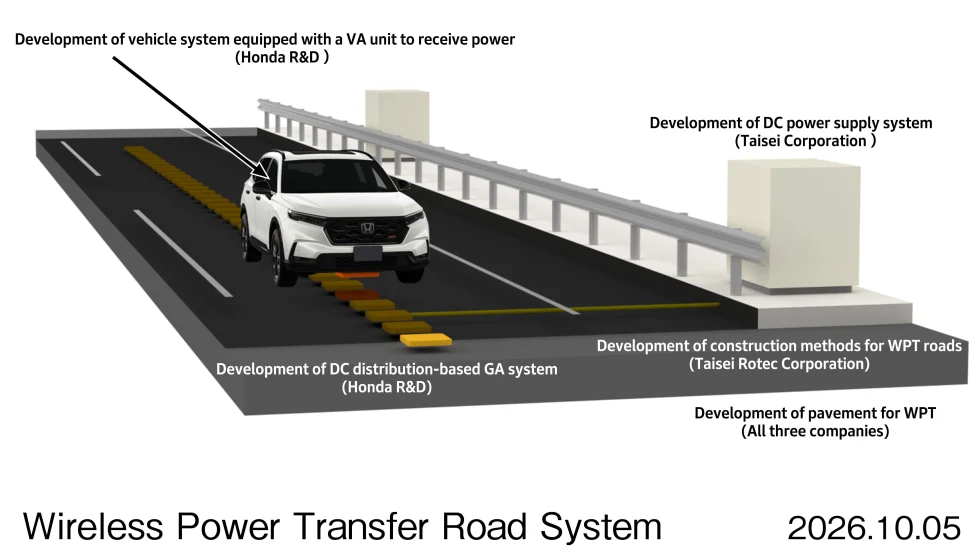
Charging In Motion
Honda has been researching wireless in-motion charging for electric vehicles since 2025, and new technology developments have put it a step closer to a final product.
Read More →
Twin Cities Stores Sell
Minnesota-based Walser Automotive Group made what it called the most significant acquisition in its history with a three-rooftop deal in Minneapolis.
Read More →
U.S. Auto Sales Still Below Prepandemic Levels
Mobility Global industry observers don’t expect the market to return to the higher volumes that became routine before Covid but to stay well below its potential.
Read More →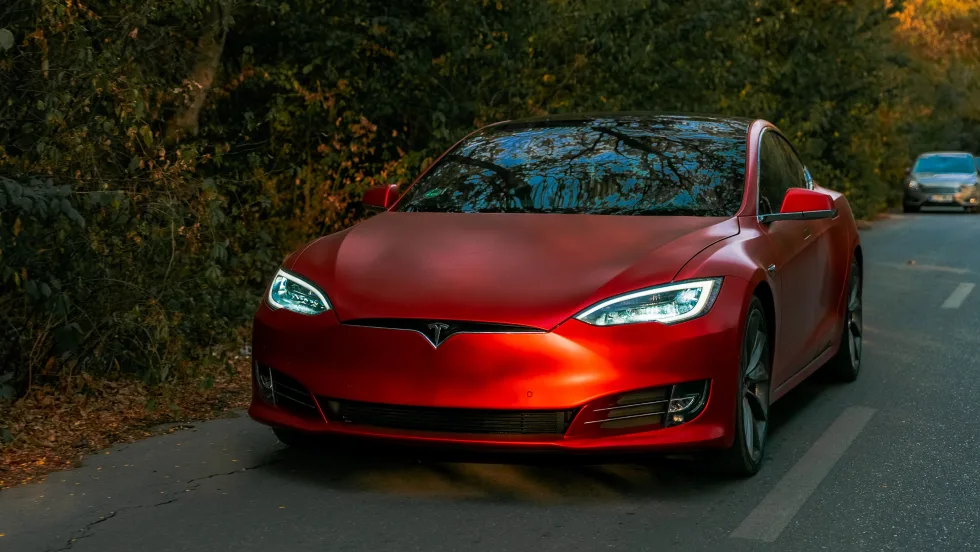
The Powertrain Shift
Electric-vehicle owners are backpedaling, according to new data, with product availability driving many to shift back to gas-powered engines.
Read More →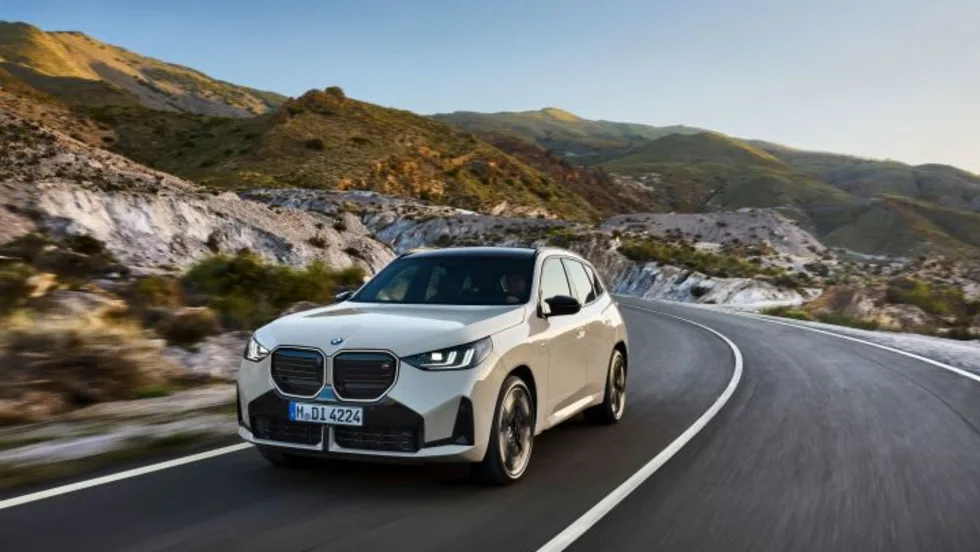
Achromatic Autos
The shades that dominate the U.S. car market don’t call attention to themselves, though grayscale may have plateaued after a 30-year upswing, research shows.
Read More →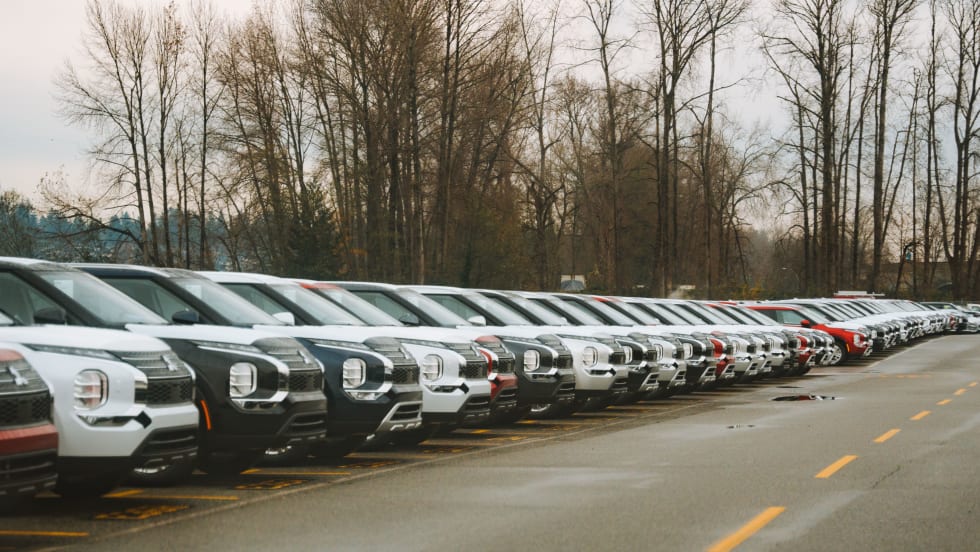
Used-Vehicle Affordability Worsens
Listing prices in August defied seasonal trends, rising above $27,000 for the second time this year.
Read More →