


New Vehicle Hack Threat Exposed

MOUNTAIN VIEW, Calif. — Connected device management and security provider Zingbox announced new research that shows how a car’s driver can be subject to cybersecurity attacks through the car’s “infotainment” system, the embedded operating system powering the iPad-looking displays found on many recent new vehicles.
Daniel Regalado, Zingbox’s principal security researcher, has agreed to demonstrate the vulnerability at the DefCon 26 Car Hacking Village in Las Vegas tomorrow. In a statement released today, the company revealed that Regalado teamed with independent researchers Gerardo Iglesias and Ken Hsu to break into a car’s infotainment system and reverse-engineer its main components with one goal in mind: to infect the operating system with malware and prove the system could be controlled remotely through SMS messages, using the driver’s own phone to compromise their personal data and safety.
“In order to provide real-time security to all IoT devices, Daniel Regalado and others on Zingbox’s research team continuously push the boundaries of IoT vulnerability research,” said Xu Zou, the company’s CEO and co-founder. “We’re glad to share our latest findings with the broader security community and raise the awareness of the impact of IoT device vulnerabilities.”
An auto infotainment system depends on the Internet of Things to operate. The fact that an infotainment system can be breached suggests the need for stepped-up IoT cybersecurity solutions similar to what is already available for such devices in healthcare, financial services, and manufacturing. This would protect drivers, especially the millions of car renters around the world, Regalado said.
“The fact that we can infect a car’s infotainment system and expose private data sheds light on an important vulnerability for manufacturers going forward,” he added, noting he has also recently hacked a telepresence robot, an IV pump, and other medical devices.
More Industry
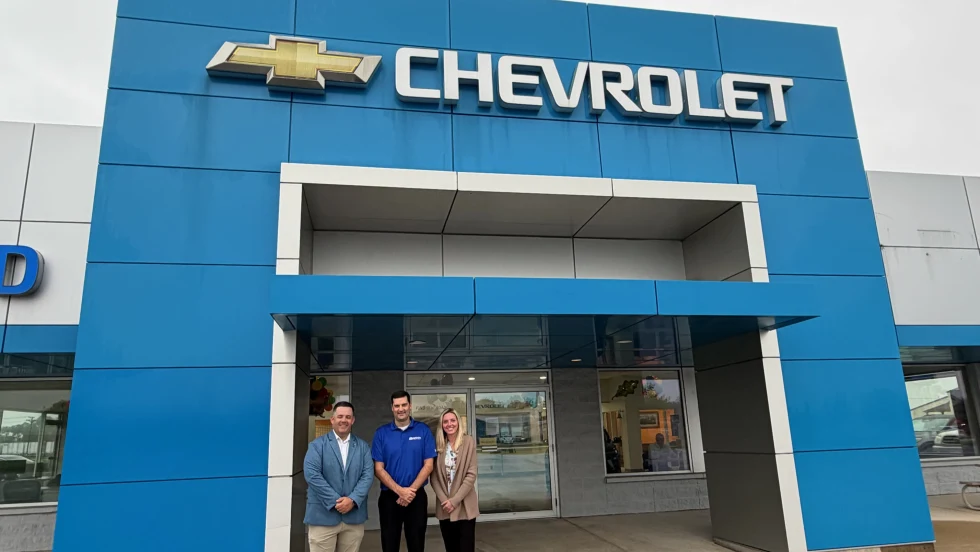
Badger State Dealership Gets New Owner
The longtime southern Wisconsin store moved from one area auto group to another, keeping the business in Dairyland.
Read More →
The Cycle of Negative Equity
Third-quarter data shows consumers still rolling over debt and stretching loan terms, raising their risk of remaining underwater.
Read More →
Charger Network Growth Slows
Despite a projected increase in public EV chargers in 2026, charging infrastructure remains a top concern for consumers as the gap between the most and least EV-friendly places remains substantial.
Read More →
Lenders, Consumers Take on More Auto Loan Risk
September records loosened credit access the most in over a decade as buyers took advantage of the conditions to afford trading, though loan applications fell.
Read More →
Next-Gen Hybrids in Sight
Dealerships can expect to see revamped hybrids from Honda next year as the company rolls out a new system and model lineup.
Read More →
Gem State Stores Change Hands
A larger auto group founded in the industry’s early years sold two franchises to a neighbor group that's on a growth spurt.
Read More →
Charging In Motion
Honda has been researching wireless in-motion charging for electric vehicles since 2025, and new technology developments have put it a step closer to a final product.
Read More →
Twin Cities Stores Sell
Minnesota-based Walser Automotive Group made what it called the most significant acquisition in its history with a three-rooftop deal in Minneapolis.
Read More →
U.S. Auto Sales Still Below Prepandemic Levels
Mobility Global industry observers don’t expect the market to return to the higher volumes that became routine before Covid but to stay well below its potential.
Read More →
The Powertrain Shift
Electric-vehicle owners are backpedaling, according to new data, with product availability driving many to shift back to gas-powered engines.
Read More →