


Nissan Commits to Spending $17.6 Billion on Battery-Powered Vehicles Over Next 5 Years
Automaker reports batteries will power half of the vehicles it sells by 2030.

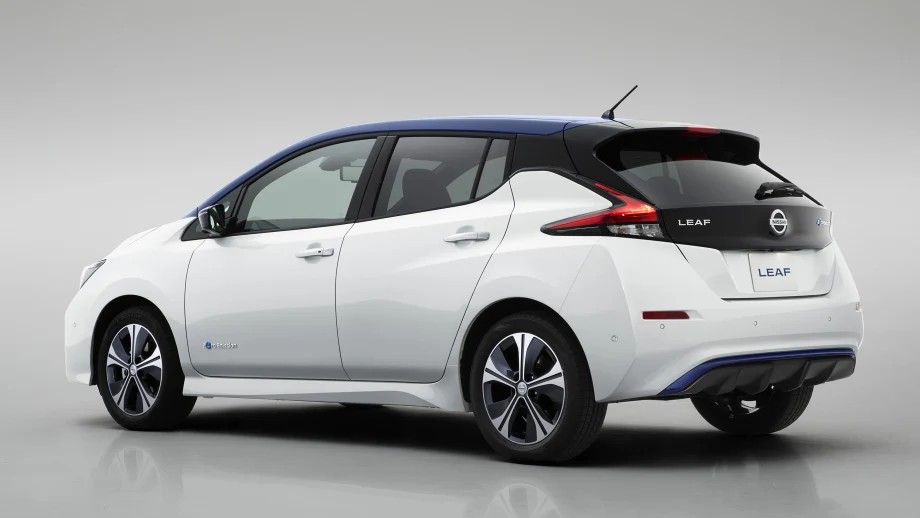
Nissan Leaf
Nissan
Nissan Motor Co. reported it plans to spend $17.6 billion over the next five years on battery-powered vehicles as it adds 20 new battery-powered vehicles to its lineup.
The automaker strives to recapture the prominence it held in the EV market after introducing the Leaf EV over a decade ago. Investors seek to invest in car makers investing heavily in EVs, including Tesla, Ford and Volkswagen.
Nissan CEO Makoto Uchida reports the company will leverage its 10-year head start in electrification to take a lead role in EV development. The amount the company plans to invest in the next five years, he says, is twice what it has spent on electric vehicles since 2010.
Uchida said he wants Nissan to take a lead role as cars shift from gasoline to electric power, but he was cautious about setting EV sales targets. Former leader Carlos Ghosn, Nissan and partner Renault SA, once promised to sell 1.5 million electric vehicles by 2016, a target they missed by a wide margin.
Nissan announced that nine of the 20 new vehicles to be introduced by 2026 will be purely battery powered EVs. The others will include Nissan’s version of gasoline-electric hybrids, vehicles powered by electric motors but equipped with a small gasoline engine to recharge the battery while driving.
Currently, EV sales are usually driven by government regulation. This will change as the technology behind the vehicles improves, according to Ashwani Gupta, Nissan’s chief operating officer. “The tipping point of EV adoption will be driven by advancement in electric platforms, powertrains and battery technologies,” Gupta said.
President Biden recently signed an executive order that aims to have EVs represent half of all new car sales by 2030. But Nissan strives to have its pure-electric or hybrid vehicles generate 40% of its U.S. sales by that date. Uchida did not provide a breakdown by vehicle type.
Nissan is working to remove expensive materials, such as cobalt from its EV batteries, to reduce the cost to $75 per kilowatt-hour. That would be 65% cheaper than the Leaf.
Nissan is also investing over $1 billion in solid-state batteries to replace the liquid electrolyte in current lithium-ion batteries with a solid electrolyte. This technology will make batteries lighter and safer, Nissan said.
Nissan will expand battery-production capacity globally to power its new vehicles. The company aims to have 52 gigawatt-hours of battery production available by 2026. Currently, Nissan plants in the U.S., U.K. and Japan can produce batteries with capacity of around 7.5-gigawatt-hours a year.
Originally posted on Auto Dealer Today
More Product & Technology

Set Yourself Apart
Product providers can follow the lead of industry cohorts in the practice of leveraging their brands through private labeling, pumping new energy into their platforms to stand out from competitors.
Read More →
EVs Excel at Longevity
Research finds that after a certain mileage point, they outlast gas and diesel vehicles despite being driven more.
Read More →
Integrating AI Into Your Admin System
It’s important for finance-and insurance administrators to build the technology into their existing systems instead of bolting it on.
Read More →
Public EV Charging Improves
The infrastructure buildout in the U.S. is providing more availability and safety at a better cost, according to the latest EV experience study by JD Power.
Read More →
AI in the Dealership
A Cox Automotive poll shows most dealers use it, but only some have found the smartest ways to adapt the surging technological sensation.
Read More →
AAA Honors Service and Repair Facilities
Three automotive dealerships made AAA's Service Providers of Excellence and Best in Repair list this year.
Read More →
EFG Launches Product Admin Platform
The company says the offering is designed to empower administrators, service contract providers, and product marketers to expand automotive and power-sports capabilities.
Read More →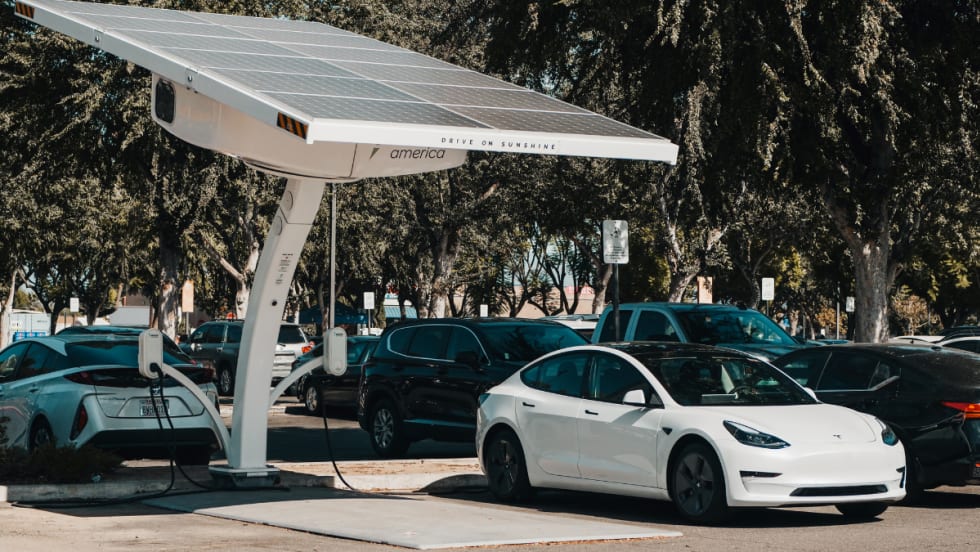
Optimized Charging Could Reduce Costs
According to an Alliance for Automotive Innovation analysis, optimized EV charging could cut costs for drivers and improve grid infrastructure - potential adoption incentives.
Read More →
From Inspection to Impact
Data, video and artificial intelligence are driving service performance today, when inspection performance is closely tied to key business outcomes.
Read More →
Car Karaoke Gets Official Platform
The in-vehicle karaoke and sing-along platform by Samsung arm is meant to add traveling enjoyment safely in technology that automakers can tailor to their specific needs.
Read More →